ABOUT
About this spot
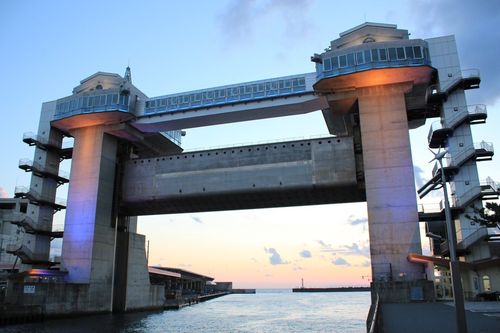
The Numazu Deep Sea Aquarium is a privately run aquarium beside Numazu Port in Shizuoka Prefecture. It specializes in deep-sea life, mainly from Suruga Bay, and sits inside the port's complex "Minato 83-banchi." Suruga Bay is the deepest bay in Japan, with its deepest point said to reach about 2,500 meters. Seeing creatures from those depths right next to a local port is the aquarium's main appeal.
The first exhibit to greet you is the giant isopod, a large deep-sea animal that looks like a pill bug and leaves a strong impression. Others include the Japanese spider crab, called the largest crab in the world, and the fluffy-looking dumbo octopus. There is a corner for odd creatures from around the world, which conveys the variety of the deep sea. A mounted megamouth shark is also on display.
One highlight is the Coelacanth Museum on the second floor. The coelacanth is said to have lived in the deep sea with almost no change in form for about 350 million years and is called a living fossil. It drew huge attention when found off South Africa in 1938. The aquarium shows two frozen specimens and three mounted ones, caught by a Japanese research team before regulations took effect, and says that visitors can see frozen specimens only here. Because international trade in coelacanths is now regulated under CITES, such an exhibit is a rare chance.
The aquarium opened in 2011. It was founded by a local seafood company, and its address is Senbon-minatocho 83. It is said to display more than 100 kinds of deep-sea life at any time, many of them from Suruga Bay. The giant isopod is introduced as a creature living about 800 meters down off Mexico. Exhibits change as animals are rotated, so if there is a particular creature you want to see, check the official website before you go.
After your visit, take a walk around the port. Numazu is a fishing town, and shops serving local seafood gather here. Seeing deep-sea animals and then tasting the bounty of Suruga Bay at the table is a way of enjoying this place. It is easy to enjoy indoors on rainy days, and it suits families as well as anyone who wants to look closely at unusual animals.
Sources
This article was written from the official, municipal and tourism-association sources above, and checked against them separately from the writing. Editorial policy
Last updated November 12, 2026