ABOUT
About this spot
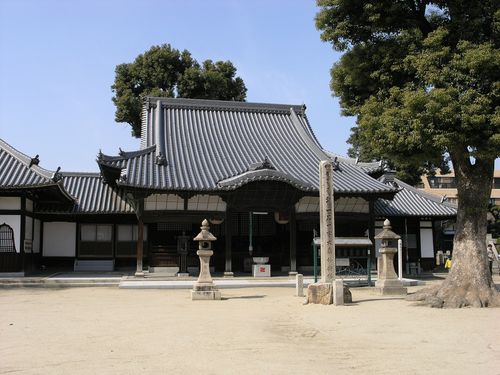
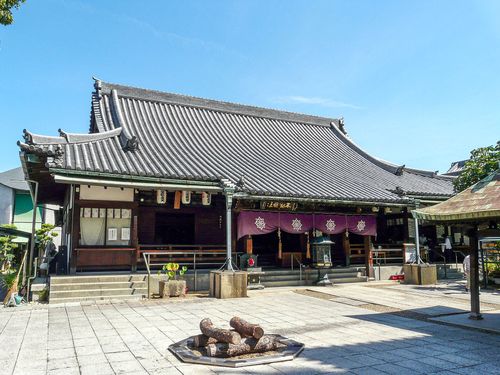
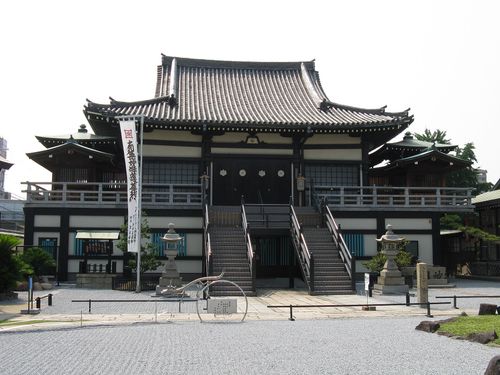
Although it stands in the town just a short walk from Kintetsu Fujiidera Station, this old temple preserves a Buddhist statue from the Tenpyo era. It belongs to the Omuro school of Shingon Buddhism, and its mountain name is Shiunzan. It is Temple No. 5 on the Saigoku 33 Kannon pilgrimage, after Sefukuji and before Tsubosakadera. According to temple tradition, it was opened by the monk Gyoki in 725 by order of Emperor Shomu. It seems to have started as the family temple of the Fujii no Muraji clan, a family that came from the Shirai clan, descended from Itsu, a nephew of the Baekje-descended Wang Jin'i, and changed its name in 720. The name of the city, Fujiidera, comes from this temple.
Excavations in the grounds have turned up roof tiles from the late 7th century, showing that a temple stood here before the Nara period. It is said to have been rebuilt in 807 by Prince Abo, and his son Ariwara no Narihira is said to have built the inner sanctuary. In the Muromachi period it flourished as a branch of Kofukuji, with a Yakushiji-style layout that had pagodas to the east and west, but the halls and towers were lost to fighting in 1493 and an earthquake in 1510, and the present buildings date from the early modern period or later.
The greatest attraction is the national treasure Dry-lacquer Seated Thousand-armed Kannon (Eleven-faced Thousand-armed, Thousand-eyed Kannon). It is said that Emperor Shomu had it made at the age of 42 to pray for protection from misfortune, and that Gyoki performed the eye-opening ceremony. It is Japan's oldest thousand-armed Kannon and the only Tenpyo-period statue in Osaka Prefecture. Besides the two hands pressed together at the chest, large and small side arms spread out in a circle, and this is the only thousand-armed Kannon confirmed to have more than a thousand arms. The statue is 130.2 cm tall and was made by the dry-lacquer technique of layering hemp cloth with lacquer. The side arms are fixed to two supports standing behind the statue, so from the front the thousand arms look as if they grow out of the figure. It is regarded as one of the supreme masterpieces of Tenpyo sculpture, and was designated a national treasure in 1938.
Another highlight is the four-legged gate that Toyotomi Hideyori built as the south gate in 1601, which is an Important Cultural Property. The temple also holds a Heian-period wooden Kannon and a Jizo, both designated cultural properties of Fujiidera City.
The Thousand-armed Kannon is opened to view at the Kannon-e service on the 18th of every month, and the one on January 18 is called Hatsu Kannon-e. On August 9, the day of the Sennichi-e service, worshippers are said to gain the merit of 46,000 days by visiting, the temple is crowded, and the statue is specially opened that day as well. It is wise to check the viewing days and fees in the official information before you visit.
It is about a 5-minute walk from Fujiidera Station on the Kintetsu Minami-Osaka Line, and 30 minutes to an hour is a good guide for a stroll through the grounds and a visit. Nearby are Domyoji Tenmangu Shrine and the World Heritage Furuichi Kofun Group, and walking to them as well lets you feel the long history of this land.
Sources
This article was written from the official, municipal and tourism-association sources above, and checked against them separately from the writing. Editorial policy
Last updated November 15, 2026