ABOUT
About this spot
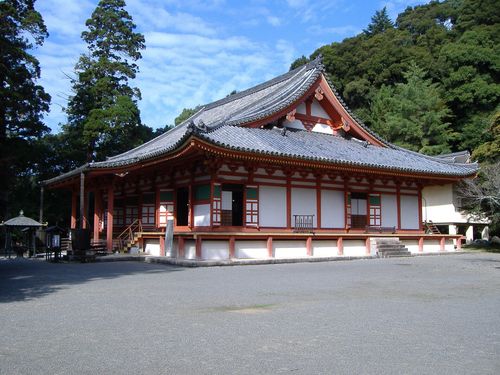
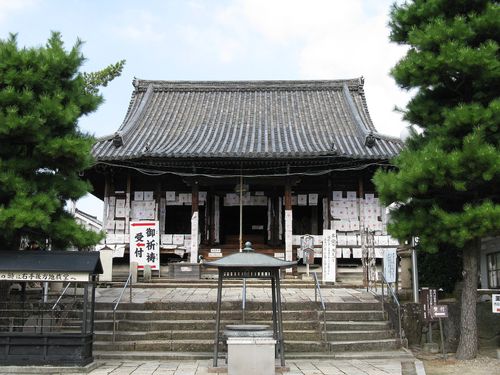
This Tendai temple stands high on Mt. Makio, which is 600 m tall, with the main hall at about 475 m above sea level. It was long called Makioyamadera or Makiodera, and it is Temple No. 4 on the Saigoku 33 Kannon pilgrimage, with the Eleven-faced Thousand-armed Kannon as the principal image of the pilgrimage. It is known as one of the hardest approaches on the Saigoku pilgrimage: from the parking lot at the foot, you climb a mountain path with steep stone steps to the main hall. Together with Mt. Makio, it has also been chosen as one of the 100 Green Places of Osaka.
As for its founding, the Makioyama Great Chronicle, copied in the Northern and Southern Courts period, records that the monk Gyoman of Harima Province opened it in the reign of Emperor Kinmei. For the Thousand-armed Kannon image, a tale says that in 771 the monk Kaikai, who lived at Makioyamadera, carved and enshrined it after recognizing a wandering ascetic as an incarnation of Kannon. There is also a tradition that Kukai had his head shaved and was ordained here in 793 with Gonzo as his master, and the Aizendo hall in the grounds is said to mark the place where Kukai was tonsured. The hall enshrines an Aizen Myoo statue together with figures of Gonzo and Kukai.
At its height, as many as 1,000 subtemples are said to have stood here, but in the Northern and Southern Courts period it became a base of the Southern Court and was caught up in the fighting, and in 1581 the whole mountain was burned in a conflict with Oda Nobunaga. With help from Toyotomi Hideyori, the Nio gate and other buildings were restored in 1603, and the temple then prospered with Tokugawa support and changed from Shingon to Tendai around the Kan'ei era (1624-1645). A mountain fire in 1845 destroyed every building except the Nio gate, and the present main hall was rebuilt in the Ansei era (1854-1860).
The highlight is the seated Horse-headed Kannon enshrined in the rear hall of the main hall. Based on the tradition that a horse guided Emperor Kazan, it shows the soles of its feet, and it is said to be the only one in Japan. It is known as a Kannon who protects the legs and hips. Other sights include the Hogaku Dai-Kannon, said to be unique in Japan, Ganzan Daishi, said to be the origin of omikuji fortune slips, the Kannon hall enshrining 33 Kannon statues modeled on the principal images of the Saigoku temples, and the Daishi hair hall, said to enshrine Kukai's hair. The Nio gate is the one rebuilt by Toyotomi Hideyori.
Among the events, the principal pilgrimage image is shown once a year at the Kaihi Hoyo service from May 1 to 15. There are also the Kobo Daishi Eiku service on April 21, the Kannon Sennichi-e on August 9, and a Kannon service on the 18th of every month.
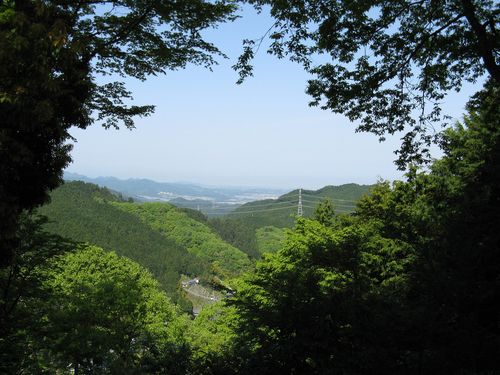
A visit takes time and stamina. From the parking area at about 280 m elevation, it takes 30 to 40 minutes to climb about 1 km of steep stairs and mountain path to the main hall. A separate mountain entry fee is charged, so bring comfortable shoes and something to drink. Many visitors combine the visit with a hike, and allowing about half a day for the round trip and the temple visit is a safe plan. In the quiet mountain grounds you can feel the atmosphere of an old pilgrimage road.
Sources
This article was written from the official, municipal and tourism-association sources above, and checked against them separately from the writing. Editorial policy
Last updated November 15, 2026