ABOUT
About this spot
Tokyo Dome City is a complex built around Tokyo Dome, the home ground of a professional baseball team. In one place it brings together the amusement park Tokyo Dome City Attractions, the LaQua shopping mall, the LaQua Spa day-onsen facility, the Tokyo Dome Hotel and Korakuen Hall. It sits in central Tokyo, within walking distance of Suidobashi and Korakuen stations, and is said to welcome about 35 million visitors a year. Its concept is "Moving hearts, lasting memories," and it works as well for a family day out as for a ball game or concert.
The site's history goes back to Korakuen Stadium, which opened in 1937. Korakuen Yuenchi amusement park opened in 1955, Tokyo Dome in 1988, and the underground indoor park Geopolis in 1992. In January 2000 the name changed from "BIG EGG CITY" to the present one, and in 2003 the amusement park became the free-entry Tokyo Dome City Attractions, the same year LaQua opened. It has grown from a ballpark amusement park into an urban complex.
The star of the amusement park is Big-O, said to be the world's first Ferris wheel without a central axle. Together with the roller coaster Thunder Dolphin, which weaves between the buildings, it creates a striking scene in the downtown sky. There are more than 20 attractions in all, including Wonder Drop, and the park is divided into zones such as LaQua, Viking, Geopolis, Splash Garden and Tower. Admission is free through an open-gate system, so you can ride only the Ferris wheel or simply stroll and look around.
For families with small children, the indoor kids' facility ASOBono! is a good fit. The official website describes it as one of Tokyo's largest indoor kids' facilities that parents and children can enjoy together. It has four areas, the sea-themed Adventure Ocean, the forest-themed Toy Forest, the town-themed Colorful Town and the station-themed Pleasure Station, plus a baby-only area called Hai-Hai Garden. The website advises registering the precautions and disclaimer form (a Google form) before you visit so that entry on the day goes smoothly. Opening hours differ from day to day, so it is wise to check the official website for the day you plan to go.
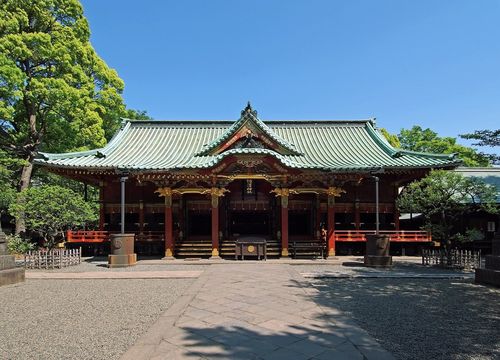
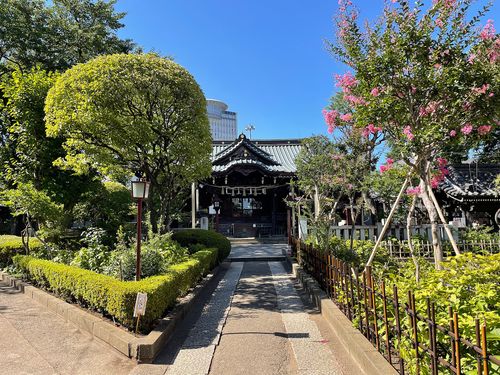
A good plan is to spend the daytime at ASOBono! and the attractions, then enjoy Big O and the evening lights after dark. The amusement park and ASOBono! alone take about half a day; adding a meal or a bath at LaQua turns it into a full day. It is wise to check the baseball and concert calendar for Tokyo Dome as well. Next door is Koishikawa Korakuen, a nationally designated Special Place of Scenic Beauty and Special Historic Site, and nearby listed spots include Koishikawa Botanical Garden, Ueno Zoo, Kanda Myojin, Yushima Tenmangu and Nezu Shrine, so it combines easily with a city walk.
Sources
This article was written from the official, municipal and tourism-association sources above, and checked against them separately from the writing. Editorial policy
Last updated November 19, 2026