ABOUT
About this spot
Shimizu Park is a privately run nature park in Shimizu, Noda City, Chiba Prefecture, covering about 280,000 square meters. It has been operated and managed by Senshusha.
The park began in 1894. Mogi Hakuei (Shichirozaemon), a soy sauce brewer in Noda, rented forest land from the neighboring Konjoin temple and created a garden, which was first called Jurakuen. Because it lay in the former Shimizu village, it later became known as Shimizu Park. According to Noda City records, a tourist guide from the end of the Meiji era introduced the park as a famous peach spot. Literary figures such as Shibusawa Eiichi and Omachi Keigetsu visited, and travel essays, tanka and poems about it survive.
A major turning point came around 1929. Following a design by Honda Seiroku, a forestry scholar and landscape designer, the park was greatly expanded as a natural park, and what is now the Second Park was opened. Honda Seiroku was also involved in Hibiya Park and Omiya Park.
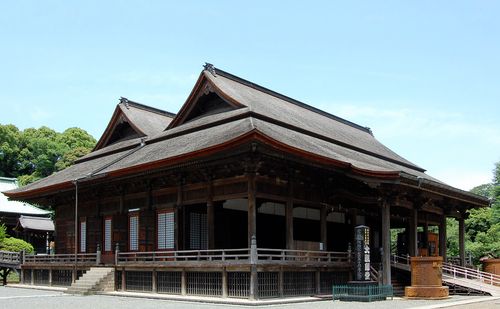
Shimizu Park is well known for its cherry blossoms. Records of planting cherry trees go back to 1927, about 2,000 trees such as Somei-yoshino now grow here, and in 1990 the park was chosen among Japan's 100 Best Cherry Blossom Sites by the Japan Cherry Blossom Association. The road from Shimizu-koen Station to the park is also lined with about 170 cherry trees. In the grounds of the neighboring Konjoin there is an old cherry tree said to be over 130 years old, and it forms one continuous scene with the park's cherry trees. Konjoin is a Shingon Buzan-school temple founded in 1398, and its Niomon gate remains.
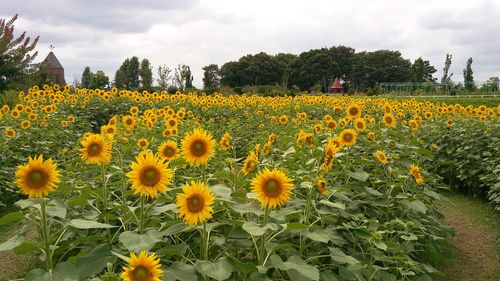
For play, there is the field athletics course that opened in 1976. The water course crossing a pond is popular, and the course was renewed in 2016. In 2002 the flower garden Hana Fantasia, with a total area of 70,000 square meters, opened. Its name was chosen by public call.
There are also historic buildings near the park. The Former Hananoi House, an old farmhouse from the early Edo period, was moved from Nagareyama in 1971 and is designated an Important Cultural Property. Jurakukan, built in the Taisho era, was the Mogi family's study. Some facilities in the park may be closed or operate differently by season, so please check the official website for the latest information before you visit.
Sources
This article was written from the official, municipal and tourism-association sources above, and checked against them separately from the writing. Editorial policy
Last updated November 12, 2026