ABOUT
About this spot
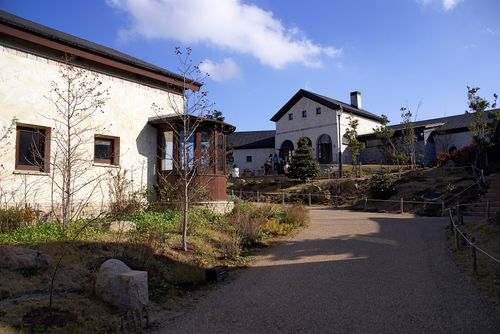
The Kikumasamune Sake Brewery Museum in Kobe's Higashinada Ward is a museum run by the Kikumasamune brewery. The brewery is known as one of the Mikage district houses among the five Nada sake-brewing districts (Nadagogo), and the museum introduces traditional sake making and the history and appeal of Nada sake.
The brewery traces its roots to 1659, when the Kano family began brewing in Mikage. The family is described as having been timber merchants until the early Edo period. Nada grew into a major supplier of sake to Edo, and the factors usually cited are a port that let barrels of sake be shipped to Edo, the winter Rokko-oroshi wind, ready access to large amounts of rice, the mineral-rich water of the Rokko range and the skill of the Tamba toji master brewers. The museum shows this world through real tools and models.
The core of the collection is Nada's Sake Brewing Tools, designated a nationally Important Tangible Folk Cultural Property in 1971. In 2000 tools connected with rice polishing, shipping, sales, life in the brewery and ritual belief were added to the designation. The tools are grouped by stage of brewing, including the water area, washing area, steaming area, yeast-starter area, brewing area, pressing area, settling area and malting room. Tools for shipping and selling sake are included too, so visitors can read not only how sake was made but how it was sold across a wide market.
In the garden stands a reconstructed water-mill hut that visitors can look inside. The museum explains how mills turned by the fast streams of the Rokko range increased the amount of rice that could be polished and supported larger production. A display on sake rice describes how, from the mid-Meiji period, the company contracted farmers in Miki, Hyogo, and how that area became a leading producer of Yamada Nishiki. A model of the main brewery shows how the brewing hall was placed on the north side to take in the Rokko wind.
Kikumasamune is known for its commitment to the labor-intensive kimoto method, and in 2009 it switched all of its honjozo and junmai sake to kimoto. The museum is introduced as having a tasting corner, the Taruzake Meister Factory where visitors can see sake barrels being made by hand, and a shop.
The museum was damaged in the 1995 Great Hanshin-Awaji Earthquake and was restored in 1999. The Nada brewing area continues through Imazu, Nishinomiya, Uozaki and Nishigo, so it also works as a stop on a tour of the Nada breweries. Exhibits and facilities can change, so please check the official website before visiting.
Sources
This article was written from the official, municipal and tourism-association sources above, and checked against them separately from the writing. Editorial policy
Last updated November 12, 2026