ABOUT
About this spot
Five minutes' walk from Shinjuku Station, among the skyscrapers of Nishi-Shinjuku, the SOMPO Museum of Art stands on the grounds of the Sompo Japan headquarters building. It opened as a new building in July 2020. The new building has six floors: the entrance is on the first floor, the museum shop and a rest area are on the second, and the exhibition rooms are on the third to fifth floors. The total exhibition area is about 755 square meters, and the design combines vertical and curved surfaces, said to be inspired by the curved lines in the work of Seiji Togo.
The museum's history begins in 1976, when it opened as the "Seiji Togo Museum of Art" on the 42nd floor of the Yasuda Fire & Marine headquarters building. It continued under changing operators and names, and became the "SOMPO Museum of Art" in April 2020. The functions of the old museum have moved to the new building on the same grounds.
What makes the museum most famous is Vincent van Gogh's Sunflowers (1888). Yasuda Fire bought it at auction in 1987 for about 5.3 billion yen, and the museum's official site introduces it as the only museum in Asia where the work can be seen. In the new building it is shown on the third floor, with the hanging height and lighting arranged to make the painting feel close to the viewer. Its Western holdings also include Gauguin's Alyscamps, Arles, Cezanne's Apples and Napkin, and works by Renoir and Grandma Moses, and the collection as a whole numbers about 630 works.
The other core of the collection is the work of the Western-style painter Seiji Togo. The museum holds about 240 pieces, including 70 oil paintings. Which works are on view changes over time, so it is best to check the exhibition details on the official site before visiting.
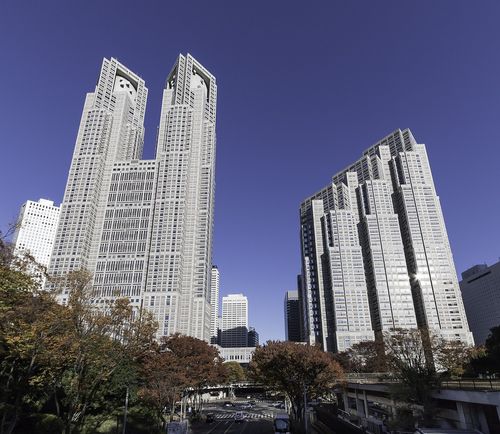
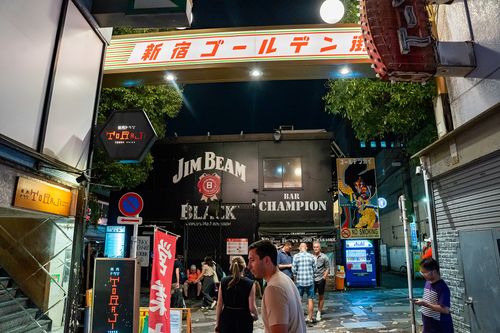
Nearby are Shinjuku Omoide Yokocho (about 300 m), the observatory of the Tokyo Metropolitan Government Building (about 550 m) and Shinjuku Golden Gai (about 800 m). The location makes it easy to see paintings at the museum and then take in a view of the city from the Tokyo Metropolitan Government observatory.
Sources
This article was written from the official, municipal and tourism-association sources above, and checked against them separately from the writing. Editorial policy
Last updated November 16, 2026