ABOUT
About this spot
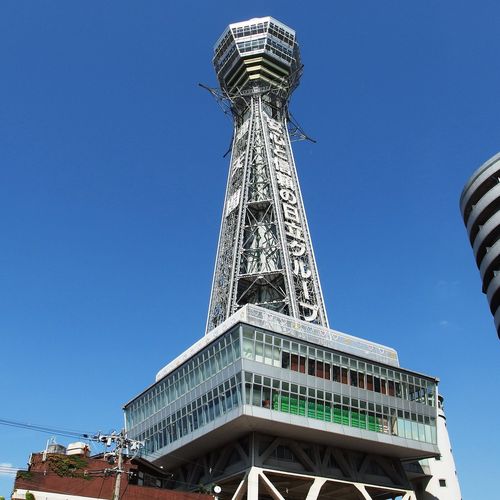
Janjan Yokocho is the popular name of a shopping street in Ebisu-higashi 3-chome, Naniwa Ward, Osaka, and its formal name is Nanyo-dori Shotengai. It runs north to south through the southeastern part of Shinsekai, the district known for Tsutenkaku Tower. It is about 180 meters long, and the arcade-covered street is narrow, only about 2.5 meters wide, lined on both sides with eateries and amusement spots. The nearest station is Dobutsuen-mae on the Osaka Metro Midosuji and Sakaisuji lines, and it is also close to JR and Nankai Shin-Imamiya Station.
The street opened in 1921. It was built as a road linking Shinsekai with the Tobita pleasure quarter to its south, and it was born in the era when Osaka was called "Dai-Osaka" (Greater Osaka). "Janjan" describes the sound of the shamisen played to draw in customers, and that sound is said to be the origin of the nickname. The area was devastated by air raids, and a difficult period followed after the war. The alley also appears in Hayashi Fumiko's unfinished novel Meshi, and the name "Janjan Yokocho" is said to have been used in writing in this work. When many workers involved in building the facilities for the 1970 Osaka Expo gathered here, it flourished again as a dining street. It was redeveloped in 1997, but its distinctive atmosphere has been preserved.
The classic food of the alley is kushikatsu, and the Shinsekai head store of Ganso Kushikatsu Daruma is on this street. Along with shops serving sushi, okonomiyaki, and udon, there is also the coffee shop Sennariya Coffee, said to be the birthplace of the mixed fruit juice drink. Some shops even serve a "morning set" with beer for customers coming off night shifts.
A sight unique to the alley is its shogi and go parlors. There are shogi halls and go clubs along the street, and people can still be seen watching games through the windows. These parlors are also said to have produced many professional players. There are also shops offering nostalgic games such as target shooting, as well as a retro game arcade.
In 2004 the shopping street's mascot "Janjan Kitaro," modeled on Tsutenkaku playing the shamisen, was created. After the 1961 Kamagasaki riot there was a time when it was seen as a "scary town," but in recent years it has been reappraised as a retro tourist spot and has become easy for families to visit. To the south it continues into the Tobita Hondori shopping street, and Spa World adjoins it on the east.
Sources
This article was written from the official, municipal and tourism-association sources above, and checked against them separately from the writing. Editorial policy
Last updated November 12, 2026