ABOUT
About this spot
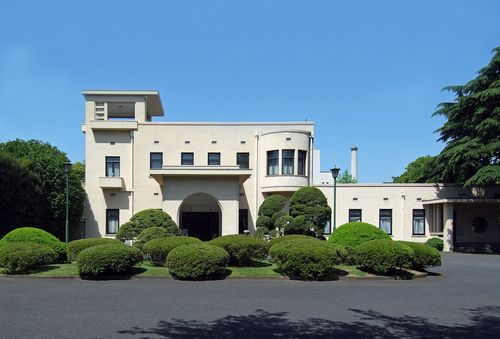
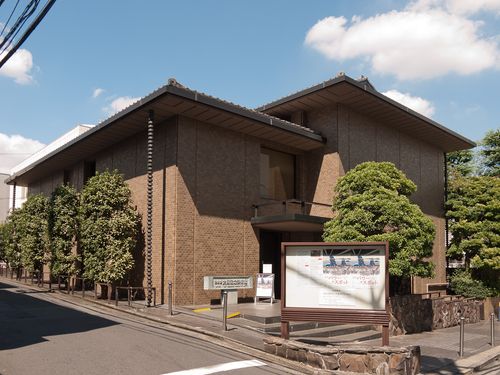
About a 5-minute walk from Kaminoge Station on the Tokyu Oimachi Line, in a residential area, a low, broad-roofed building that borrows elements of shinden-zukuri architecture stands beside a garden that keeps a hint of old Musashino. The Gotoh Museum opened on April 18, 1960, to preserve and display the art collection of Keita Goto, the businessman who founded Tokyu (Tokyo Kyuko Electric Railway). It opened the year after Goto's death, with funding from Tokyu, Keikyu, Odakyu and Keio.
Goto began by collecting old sutras and ink writings of Zen monks, and later extended to paintings and ceramics. The core of the collection is its National Treasures. The Tale of Genji Scroll (color on paper, 4 pictures and 9 text sections) and the Murasaki Shikibu Diary Scroll (3 pictures and 3 text sections) formerly belonged to the prewar collector Masuda Takashi (Donno), and Goto acquired them just before his death. Also designated National Treasures are the ink writing 'Farewell Verse for Betsugen Enshi' by Gulin Qingmao, the 'Sanmon So' by Wuzhun Shifan, and gilt-bronze horse fittings excavated from the Saitobaru tombs. The wooden seated Aizen Myoo, an Important Cultural Property, is exceptionally on permanent display.
The building was designed by Isoya Yoshida. He brought elements of shinden-zukuri into modern architecture and took particular pains over color; finishing is said to have taken 60 days. It won the 2nd Building Contractors Society Prize in 1961. During the closure of 2010 to 2012 it underwent major expansion and renovation, keeping the exterior as much as possible while adding seismic reinforcement and new facilities.
The garden, designed by Kohei Takamura, stretches broadly behind the main building. The land was originally the residence of Den Kenjiro, a former Governor-General of Taiwan and Minister of Communications, and stone Buddhas collected through the owner's railway projects in Izu and Nagano (Dainichi Nyorai, the Six Jizo and others) dot the trees. There are also the Meiji-era tea house 'Kokyoro' and the 'Fujimi-tei' standing-style tea seat made from old timber, but both are closed to the public. Even if you do not see the exhibition, you can enter the garden alone.
There are two exhibition rooms and no permanent exhibition; special exhibitions are held from time to time. Whether the National Treasure Tale of Genji Scroll and others are on view depends on the exhibition, so check the exhibition and dates on the official website before you go. Allow one to two hours for the exhibition and the garden together.
Nearby, you can combine it with the Hasegawa Machiko Art Museum for a museum tour. Since it is in a residential neighborhood, it is best to go on foot about 5 minutes from Kaminoge Station on the Tokyu Oimachi Line rather than rely on parking.
Sources
This article was written from the official, municipal and tourism-association sources above, and checked against them separately from the writing. Editorial policy
Last updated November 16, 2026