CATEGORY — Shizuoka
History & Culture in Shizuoka
The 13 places in the "History & Culture" category that we feature in Shizuoka, sorted by how often they are viewed.
Most of them are in Shizuoka City (3), Kakegawa City (2), Mishima City (2).
SPOTS
Places in this list
Sorted by number of views

Aoi-ku, Shizuoka City, ShizuokaHistory & Culture
Sunpu Castle Park
Sunpu Castle Park occupies the site of a castle in Aoi Ward, Shizuoka, rebuilt by Tokugawa Ieyasu. Visitors can get a close look at the overlapping stone walls of the excavated keep bases.

Kakegawa City, ShizuokaHistory & Culture
Kakegawa Castle
A castle in Kakegawa, Shizuoka, that stood at a key point on the Tokaido. Its keep, rebuilt in 1994, is said to be Japan's first full-scale wooden keep reconstruction, and the Ninomaru Palace is an Important Cultural Property.
Shizuoka City, ShizuokaHistory & Culture
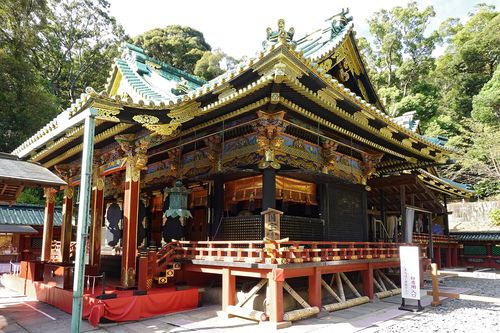
Kunozan Toshogu Shrine
Kunozan Toshogu Shrine stands atop Mt. Kuno in Suruga Ward, Shizuoka, and enshrines Tokugawa Ieyasu. It is regarded as the origin of the Toshogu shrines across Japan, and its main hall, Ishi-no-ma and worship hall are National Treasures.

Shizuoka, ShizuokaHistory & Culture
Shizuoka Sengen Shrine
Shizuoka Sengen Shrine at the foot of Mount Shizuhata in Shizuoka is a complex of three shrines. Its lacquered, richly colored buildings, 26 structures in all, are designated Important Cultural Properties.
Mishima City, ShizuokaHistory & Culture
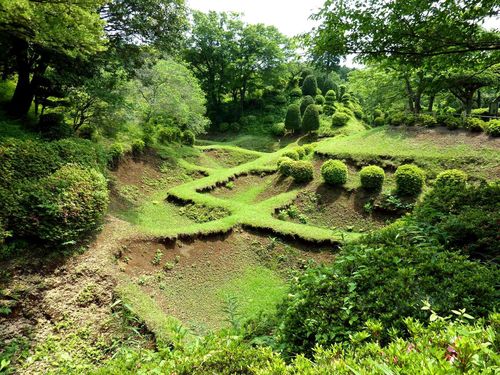
Yamanaka Castle Ruins
Yamanaka Castle Ruins are the remains of a Late Hojo clan castle in Mishima, Shizuoka. Its shojibori, wide moats divided by earthen banks, have been confirmed, and it is said to have fallen in half a day in 1590.
Fujinomiya City, ShizuokaHistory & Culture
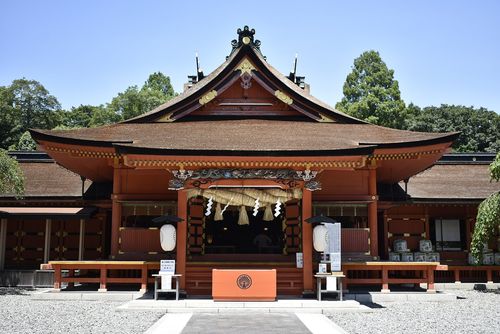
Fujisan Hongu Sengen Taisha
The head shrine of about 1,300 Sengen shrines across Japan, enshrining Mt. Fuji itself as the object of worship. A component of the World Cultural Heritage site, highlights include shrine buildings associated with Tokugawa Ieyasu and the Fuji spring-fed "Wakutama Pond."
Mishima, ShizuokaHistory & Culture
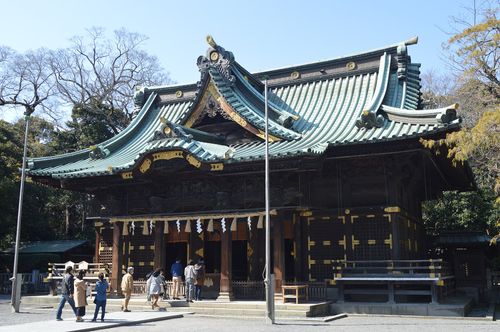
Mishima Taisha
Mishima Taisha in Mishima, Shizuoka, is the ichinomiya of Izu Province. It is known as the shrine where Minamoto no Yoritomo prayed for his clan's revival, and for its Important Cultural Property halls and a natural-monument osmanthus tree.

Hamamatsu, ShizuokaHistory & Culture
Akihasan Hongu Akiha Shrine
Akihasan Hongu Akiha Shrine stands near the summit of Mt. Akiha (866 m) in Haruno, Tenryu Ward, Hamamatsu. It is the head shrine of Akiba shrines across Japan, enshrining Homusubi no Kami and known as a deity of fire prevention.
Atami, ShizuokaHistory & Culture
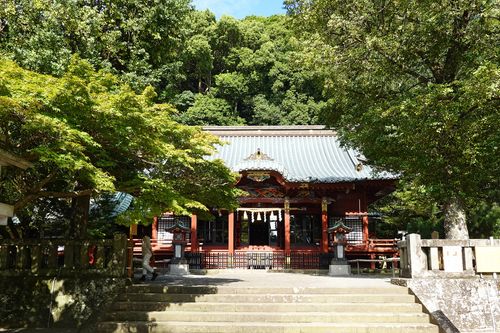
Izusan Shrine
Izusan Shrine stands on a hill about 170 m above sea level overlooking Sagami Bay in Atami, Shizuoka. Once known as Hashiriyu Gongen and closely tied to Minamoto no Yoritomo and Hojo Masako, it is known for the Koshikake-ishi stone and its red-and-white dragon water pavilion.
Izunokuni, ShizuokaHistory & Culture
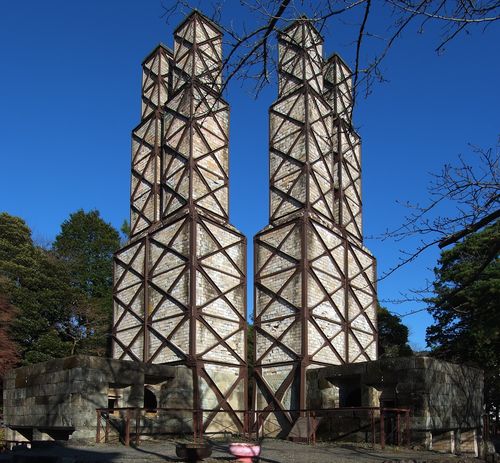
Nirayama Reverberatory Furnace
The Nirayama Reverberatory Furnace in Izunokuni, Shizuoka, is a late-Edo furnace built on the proposal of the shogunate magistrate Egawa Hidetatsu to cast cannon. Its twin chimneys, with four furnaces, survive almost as they were. It is a national historic site and a component of the World Heritage "Sites of Japan's Meiji Industrial Revolution."

Mori, ShizuokaHistory & Culture
Okunijinja Shrine
Okunijinja is the Ichinomiya (premier shrine) of Totomi Province in Mori, Shizuoka. It enshrines Okuninushi and is known for its ancient cedar and cypress forest, autumn leaves along the Miya River, cypress-bark roofs and nationally designated bugaku dances.

Kakegawa, ShizuokaHistory & Culture
Kotonomama Hachimangu
Kotonomama Hachimangu is the ichinomiya of Totomi Province in Yasaka, Kakegawa, Shizuoka. An old shrine named in the Pillow Book as the deity of Kotonomama, it is known as a shrine where wishes come true, and its autumn festival features asagao floats.

Hamamatsu, ShizuokaHistory & Culture
Iinoya-gu Shrine
Iinoya-gu is a shrine in Inasa-cho, Hamana Ward, Hamamatsu, Shizuoka. It enshrines Prince Munenaga, a son of Emperor Go-Daigo who fought for the Southern Court, and his tomb lies behind the main hall. It stands on the ancestral land of the Ii clan.
MORE
More lists for Shizuoka
Browse the other lists for the same prefecture.
Shizuoka by category
- History & Culture13 places
- Nature & Scenic Views8 places
- Zoos & Aquariums7 places