ABOUT
About this spot
Lake Shikotsu is a freshwater caldera lake in Chitose, Hokkaido, within Shikotsu-Toya National Park. Water filled the caldera left by a huge eruption about 44,000 years ago. It covers about 78 square kilometers, with a shoreline of about 40 km. The maximum depth is about 363 m, the second deepest in Japan after Lake Tazawa in Akita, and its water volume, about 20.9 cubic kilometers, is said to be second only to Lake Biwa.
The lake's greatest attraction is the clarity of its water. It is low in nutrients, and visibility is said to average 15 to 20 m. The clear blue surface is called Shikotsu Blue. It is also considered Japan's northernmost lake that rarely freezes, even in midwinter.
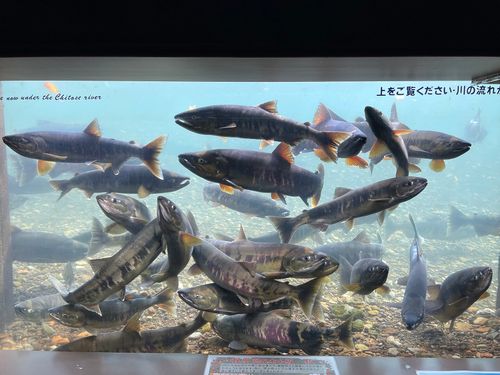
Around the lake rise Mount Eniwa to the north and Mount Fuppushi and Mount Tarumae to the south, known as the Shikotsu Three Mountains. From the shore, the ridgelines and the water overlap and change their look with each season. Himemasu (landlocked salmon) farming has also been carried out here since 1894.
There are many ways to enjoy the shore. The Shikotsuko Visitor Center helps you learn about the lake and the surrounding nature. A sightseeing boat takes you onto the water, where you feel the scale of the lake and the line of mountains that cannot be seen from the shore. There are campgrounds at Bifue, Morappu, Poropinai and Okotan, and the Shikotsuko and Marukoma hot springs.
The best season is autumn, when the trees on the shore turn red and yellow and contrast with the blue lake. In summer events such as the lake festival are held, and the Chitose-Shikotsuko Ice Festival in winter began in 1977. A shore walk, a boat ride and a hot spring make a relaxed half day or full day.
By car it is about 30 minutes from central Chitose, and about 30 minutes from central Tomakomai via Route 276. Hokkaido Chuo Bus runs the Shikotsuko line to and from New Chitose Airport. In winter roads may be icy or snowy, and facilities and events change with the season, so please check official information such as the tourist association before you visit. Being close to New Chitose Airport, it is easy to stop here on the first or last day of a Hokkaido trip.
Sources
This article was written from the official, municipal and tourism-association sources above, and checked against them separately from the writing. Editorial policy
Last updated November 21, 2026