ABOUT
About this spot
Seto, in Aichi Prefecture, is known as a pottery town, and it has also been a center of maneki-neko (beckoning cat) production since the Meiji era. It is presented as the "hometown of the maneki-neko," the first of Japan's ceramic-producing regions to begin making them, and the Maneki-neko Museum is the place in Seto devoted entirely to collecting and showing them. It displays about 5,000 maneki-neko from all over Japan, centered on Seto.
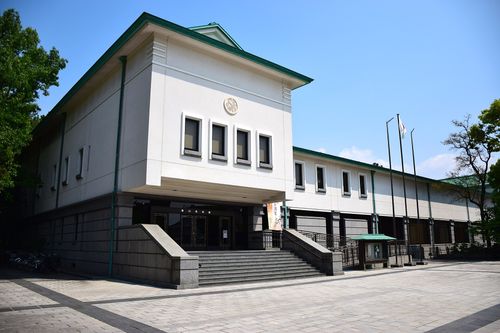
The museum's predecessor was the Nihon Shokyo Club (Japan Maneki-neko Club), founded in 1993. Two of its organizers opened their personal collections to the public, and in 2000 they opened a museum in Tsumagoi, Gunma Prefecture. The museum then moved to Seto on March 16, 2005, where it remains today. It is run by Chugai Toen, and the building is a converted warehouse of that company, with a design reminiscent of Taisho-era Western-style architecture.
The exhibits are on the second floor, arranged in categories such as folk toys, antiques and everyday goods, so that you can compare how maneki-neko differ from place to place. According to the museum's guide, the maneki-neko was born about 150 years ago, in the Edo period, as a lucky charm that invites good fortune and wealth. A cat with its right paw raised is said to invite "money," and one with its left paw raised to invite "people and customers," so noticing which paw is raised gives you more to look at. The modern interior has cat-themed designs in many places, and finding them is part of the fun.
The first floor has a museum shop, where works by cat artists can also be viewed and bought. At "Space 29," exhibitions by contemporary maneki-neko artists and other events are held. The neighboring shop "Omodakaya" and the painting-experience studio "STUDIO894" can be used as well. At STUDIO894, a blue-and-white painting experience, in which you paint a maneki-neko-shaped piggy bank with gosu (blue pigment), is accepted by reservation. An audio guide is available in Japanese, English and Chinese (Simplified and Traditional) through the QR codes in the museum.
You can walk to the museum from Owari-Seto Station on the Meitetsu Seto Line. By car, the Seto-Akazu Interchange of the Tokai-Kanjo Expressway is close, and there is parking. It also makes a good stop to combine with a walk through the pottery town of Seto.
Sources
This article was written from the official, municipal and tourism-association sources above, and checked against them separately from the writing. Editorial policy
Last updated November 16, 2026