ABOUT
About this spot
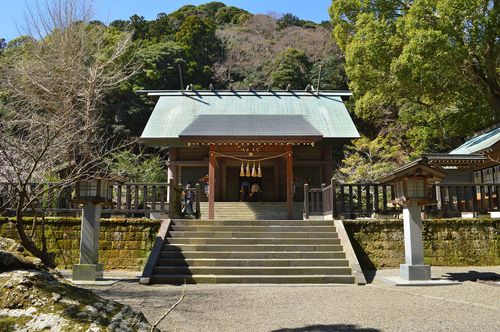
Near the southern tip of the Boso Peninsula, at the seaside in Susaki, a shrine stands at the top of a steep flight of 148 stone steps. Susaki Shrine is on high ground in Susaki, Tateyama, and its deity is Amano-hirinome-no-mikoto (the deity of Susaki), who is regarded as the consort of Ame-no-futodama-no-mikoto of Awa Shrine. The woods behind the shrine are designated a natural monument of Chiba Prefecture as the Susaki Shrine Natural Forest.
Its founding is traditionally placed in the reign of Emperor Jimmu. According to the shrine record Susaki Daimyojin Yuisho Kyuki, compiled in 1753, Amano-tomi-no-mikoto enshrined his grandmother goddess's mirror as the sacred object on Mt. Mitarai (Mitarasuyama), which marked the beginning. Susaki is said to be where the Imbe clan of Awa landed and built a base, and many legends are tied to En no Gyoja, so the area has a strong Shinto-Buddhist and mountain-ascetic flavor. It is also called the chief shrine of Awa Province, though no record confirming an official designation has been found.
Its best-known link is with Minamoto no Yoritomo. The Azuma Kagami records that after his defeat at the Battle of Ishibashiyama in 1180, Yoritomo escaped by sea to Awa, visited this shrine and donated land to it. In 1182 a messenger was sent with offerings to pray for an easy childbirth for his wife Masako. About 700 meters north along the prefectural road in front of the shrine is the Yajiri Well, said to be where Yoritomo landed.
Within the grounds, start with the main hall, a three-bay nagare-zukuri building with a copper roof, designated a tangible cultural property of Tateyama City. The Zuijinmon gate, built in the Hoei era, also remains. The stone steps to the worship hall are called Yakuharai-zaka, and sources give the number of steps as 148 or 150, at a slope of about 30 degrees. At the top you come out into grounds that open toward the sea. Outside the beach torii there is also a sacred stone said to form a pair with a stone at Awaguchi Shrine on the Miura Peninsula. The shrine was badly damaged by the 2019 Boso Peninsula typhoon, but donations paid for the rebuilding of the torii of a subsidiary shrine.
For events, aim for the first horse day in February or the grand festival on August 20 and 21. The Susaki Minoko Odori, a prefectural intangible folk cultural property, is dedicated there, and today it is passed on by elementary-school girls. At the festival on the 21st the portable shrine is rocked down Yakuharai-zaka in the Ohamade ceremony.
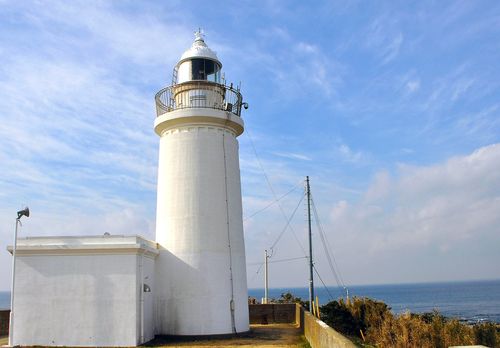
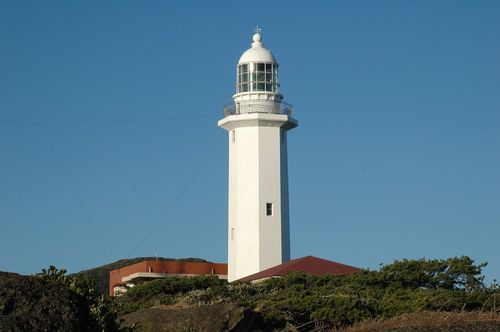
The shrine is administered by a priest who serves other shrines too, so no priest is stationed here. Allow about 30 minutes to an hour for a visit, and wear comfortable shoes for the steps. Susaki Lighthouse is nearby, so the two can be combined for seaside views. By car it is about 16 km from Tomiura IC on the Futtsu-Tateyama Road, and by public transport about 30 minutes by JR Bus from JR Tateyama Station.
Sources
This article was written from the official, municipal and tourism-association sources above, and checked against them separately from the writing. Editorial policy
Last updated November 12, 2026