ABOUT
About this spot
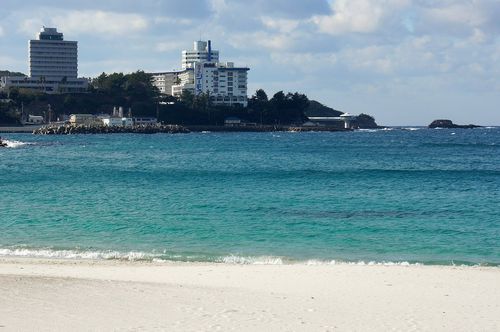
Shirarahama, in Shirahama Town, Wakayama Prefecture, is a long stretch of white sand facing Kanayama Bay and is the signature beach of Nanki-Shirahama. It spreads along a cove between Gongen-zaki and Yuzaki, and in summer it is one of the busiest swimming beaches in the Kansai region. Many swimmers come mainly from the Kyoto-Osaka-Kobe area, and the swimming season runs roughly from May to September.
The whiteness comes from the sand. About 90 percent of it is quartz, and in the Meiji and Taisho eras it was even mined as a raw material for glass. However, development cut off the supply of sand from inland, and from the late Showa era the beach slowly shrank. Since 1989, Wakayama Prefecture has therefore continued to bring in sand taken near Perth, Australia, to replenish it. Because sand keeps washing away, measures such as submerged breakwaters built in the sea are also used to slow the loss. The beautiful white beach is kept that way by human effort alongside nature.
Shirarahama has a friendship sister-beach tie with Waikiki Beach in Hawaii (2000). Under an ordinance that took effect in 2008, smoking is banned on the entire beach, and since 1992 nets against sharks have been set up every summer, so that visitors can enjoy themselves with peace of mind. Outside the swimming season, the quiet beach is described as having a poetic charm.
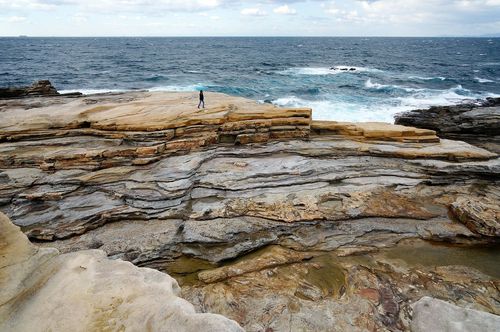
The white-sand beach stretches about 620 meters and gave Shirahama its name. Shirahama also has scenic spots such as Sandanbeki, Engetsuto and Senjojiki, which can be visited together. By train, it is about a 12-minute bus ride from JR Shirahama Station.
A good plan is to play on the sand in the morning during the swimming season and spend the afternoon at nearby scenic spots. Walking the sand slowly in a quiet season is also a luxury unique to this beach. The swimming period, swimming area and nearby facilities differ by year. Check the information from Shirahama Town or the tourism association before you go, and follow the lifeguards' instructions when swimming.
Sources
This article was written from the official, municipal and tourism-association sources above, and checked against them separately from the writing. Editorial policy
Last updated November 12, 2026