CATEGORY — Hiroshima
History & Culture in Hiroshima
The 13 places in the "History & Culture" category that we feature in Hiroshima, sorted by how often they are viewed.
Most of them are in Hiroshima City (3), Fukuyama City (3), 廿日市 (2).
SPOTS
Places in this list
Sorted by number of views
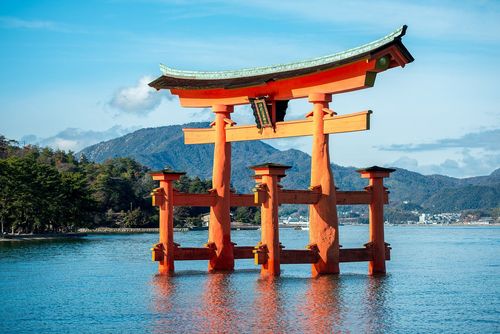
Hatsukaichi City, HiroshimaHistory & Culture
Itsukushima Shrine
Itsukushima Shrine is on Miyajima in Hatsukaichi, Hiroshima Prefecture, and was inscribed as a UNESCO World Cultural Heritage Site in December 1996. Its halls are built to jut out over the sea and appear to float on it at high tide.

Hiroshima City, HiroshimaHistory & Culture
Hiroshima Castle
Hiroshima Castle is a flatland castle built by Mori Terumoto on the river delta at the mouth of the Ota River. Its keep collapsed in the atomic bombing on August 6, 1945, and was rebuilt in 1958.

Fukuyama City, HiroshimaHistory & Culture
Tomonoura
The name for the port at the southern tip of the Numakuma Peninsula in Fukuyama, Hiroshima, and the sea around it. It has long been known as a “port waiting for the tide,” where ships wait for the current to change.
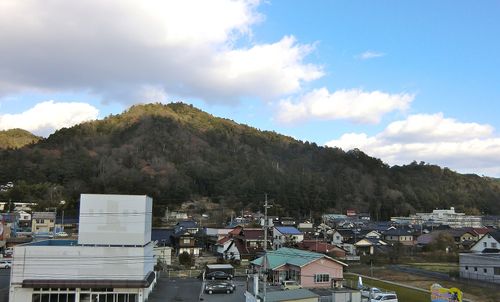
Akitakata City, HiroshimaHistory & Culture
Koriyama Castle (Yoshida-Koriyama Castle)
One of Japan's 100 Famous Castles, the base of the Sengoku-era strategist Mori Motonari. A huge fortress ruin spreading across the whole mountain.

Fukuyama City, HiroshimaHistory & Culture
Fukuyama Castle
Fukuyama Castle in Fukuyama, Hiroshima was built by Mizuno Katsunari. The keep is a reconstruction, but two Edo-period survivors, the Fushimi Yagura and the main gate, are Important Cultural Properties.
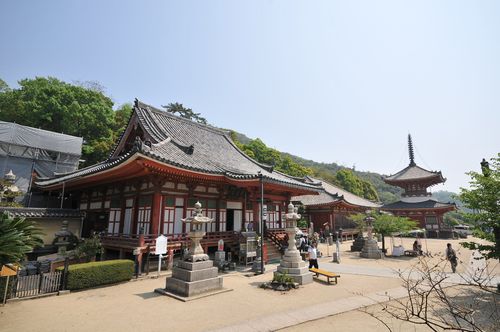
Onomichi, HiroshimaHistory & Culture
Jodo-ji Temple (Onomichi)
Jodo-ji is the head temple of the Shingon Sennyu-ji school in Onomichi, Hiroshima. Its Main Hall and Tahoto pagoda, built in the late Kamakura period, are National Treasures.
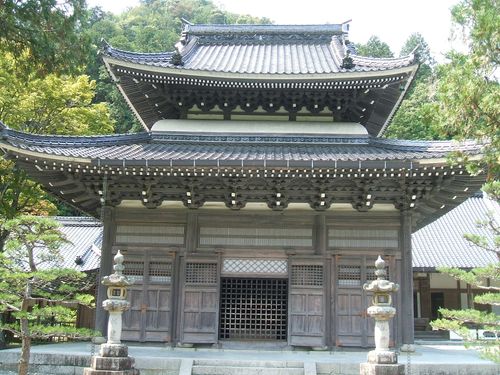
Mihara, HiroshimaHistory & Culture
Butsuji Temple
Butsuji is the head temple of the Butsuji branch of Rinzai Zen in Takasaka, Mihara, Hiroshima. Founded in 1397, it is known as one of the prefecture's best autumn foliage spots.
Hiroshima, HiroshimaHistory & Culture
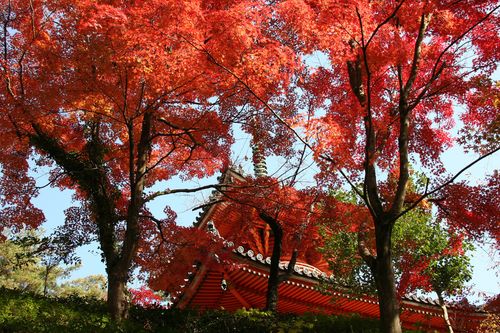
Mitaki-dera Temple
Mitaki-dera is a Koyasan Shingon temple on the slope of Mt. Mitaki in Nishi Ward, Hiroshima. It is known for three waterfalls, a vermilion treasure pagoda (a prefectural Important Cultural Property) and autumn colors, and is Temple 13 of the Chugoku 33 Kannon Pilgrimage.
Hiroshima, HiroshimaHistory & Culture
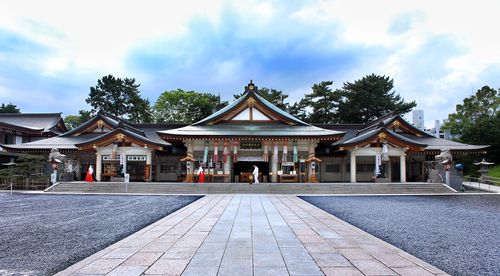
Hiroshima Gokoku Shrine
Hiroshima Gokoku Shrine stands on the site of Hiroshima Castle in Naka Ward, Hiroshima. Founded in 1868 to honor those killed in the Boshin War, it enshrines about 92,000 souls and draws the most New Year visitors in the Chugoku region.
Hatsukaichi, HiroshimaHistory & Culture
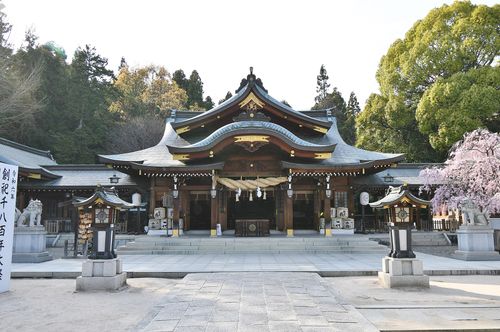
Hayatani Shrine
Hayatani Shrine is the second ichinomiya of Aki Province, in Hatsukaichi, Hiroshima. It enshrines Akihayatamao no Mikoto, was ranked a Myojin Taisha in the Engishiki, and is loved as a traffic-safety shrine.
Fukuyama, HiroshimaHistory & Culture
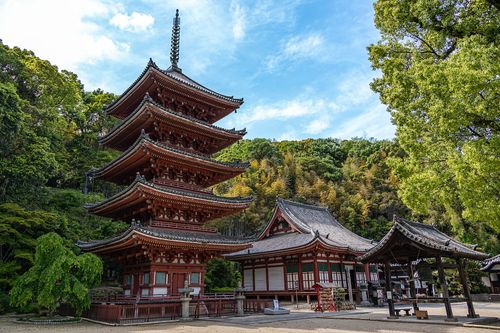
Myoo-in Temple
Myoo-in is a Shingon (Daikakuji school) temple in Kusado-cho, Fukuyama, Hiroshima. Its main hall (rebuilt around 1321) and five-story pagoda (1348) are both National Treasures, and it is linked to the medieval Kusado Sengen-cho ruins along the Ashida River.
Fuchu, HiroshimaHistory & Culture
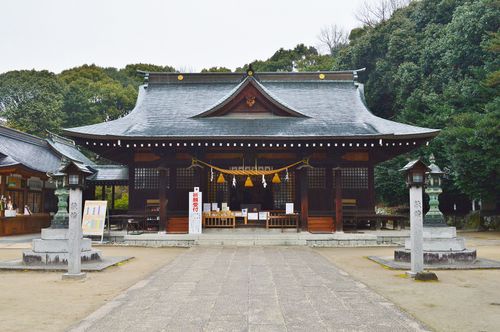
Take Shrine
Take Shrine, also called Enomiya, is in Fuchu, Aki District, Hiroshima. It is said to stand on the site of the palace where Emperor Jimmu stayed, and it keeps a treasure house that came from Hiroshima Castle and is a prefectural Important Cultural Property.
Onomichi City, HiroshimaHistory & Culture
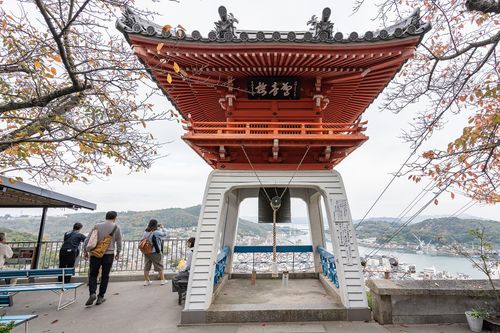
Senko-ji Temple
A temple in Senkoji Park in Onomichi, Hiroshima, standing about 140 m above sea level on the slope of Mt. Daiho overlooking the Onomichi Channel, with a sweeping view of the town and harbor.
MORE
More lists for Hiroshima
Browse the other lists for the same prefecture.
Hiroshima by category
- History & Culture13 places
- Museums & Galleries6 places