CATEGORY — Saga
History & Culture in Saga
The 8 places in the "History & Culture" category that we feature in Saga, sorted by how often they are viewed.
Most of them are in Karatsu City (2).
SPOTS
Places in this list
Sorted by number of views
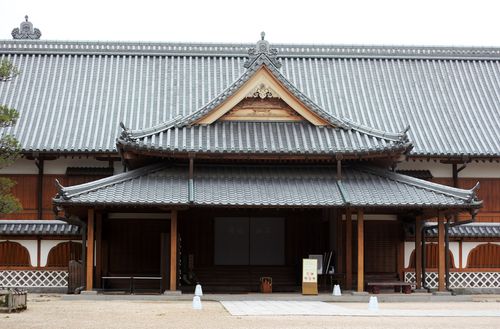
Saga City, SagaHistory & Culture
Saga Castle (Honmaru History Museum)
Saga Castle (Honmaru History Museum) was the seat of the Saga Domain under the Nabeshima clan in the Edo period, nicknamed the "Sunken Castle." Part of its Honmaru Palace was rebuilt in wood in 2004 and now houses the museum.
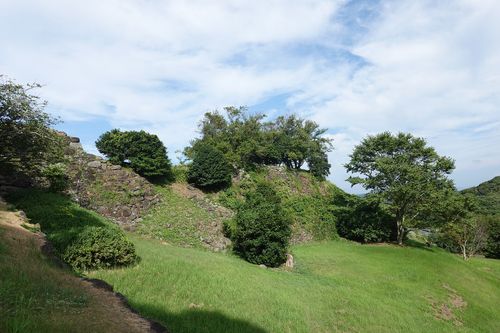
Karatsu City, SagaHistory & Culture
Nagoya Castle Ruins (Hizen Nagoya Castle)
The remains of a castle built by Toyotomi Hideyoshi in an area spanning Karatsu and Genkai in Saga. It served as the headquarters of Hideyoshi's expeditionary army in the Bunroku-Keicho campaigns and is a Special Historic Site.
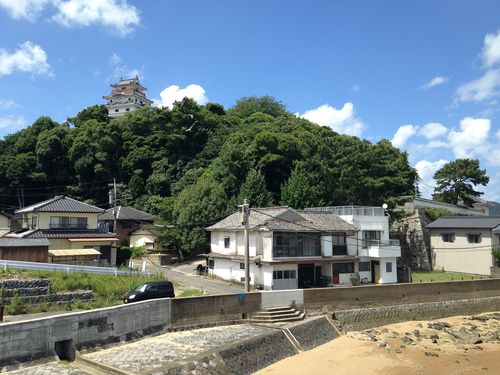
Karatsu City, SagaHistory & Culture
Karatsu Castle
Karatsu Castle, also called Maizuru Castle, was built by Terasawa Hirotaka on a 42-meter hill facing Karatsu Bay in Karatsu, Saga. The current keep is a replica built in 1966.
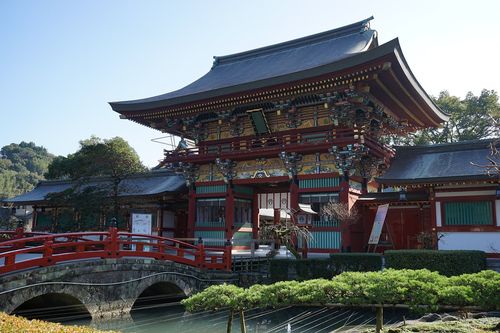
Kashima City, SagaHistory & Culture
Yutoku Inari Shrine
Yutoku Inari Shrine is an Inari shrine in Kashima, Saga. Counted among Japan's three great Inari shrines along with Fushimi Inari Taisha and Kasama Inari Shrine, it has colorful shrine buildings lined up on a mountainside.
Taku City, SagaHistory & Culture
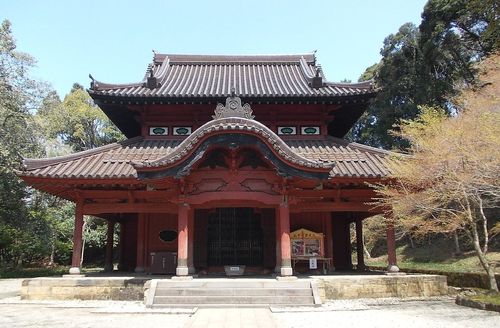
Taku Seibyo (Confucian Shrine)
Taku Seibyo (Confucian Shrine) is a Confucian temple in Taku, Saga Prefecture. It was built in 1708 (Hoei 5) by the fourth lord of the Taku family and is designated an Important Cultural Property.
Miyaki, SagaHistory & Culture
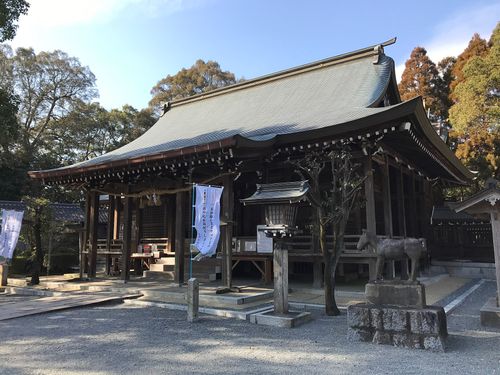
Chiriku Hachimangu Shrine
Chiriku Hachimangu is a shrine in Miyaki, Saga, said to have been founded in 724 and styled the ichinomiya (first shrine) of Hizen Province. Its Okayu Matsuri on March 15 is known as one of Japan's three great rice-porridge festivals.
Yoshinogari Town, Kanzaki District, SagaHistory & Culture
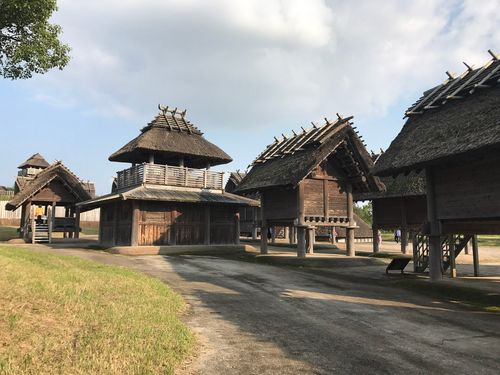
Yoshinogari Historical Park
Yoshinogari Historical Park in Saga Prefecture was developed around the Yoshinogari site and covers a planned area of about 117 hectares. Buildings have been restored on the ruins of Japan's largest Yayoi-period moated settlement.
Imari City, SagaHistory & Culture
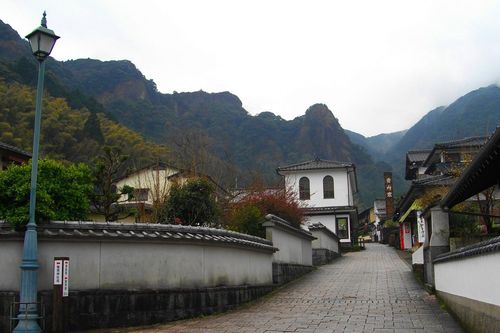
Okawachiyama
Okawachiyama is a pottery village in southern Imari, Saga, also called the "Village of the Secret Kilns." In the Edo period the Saga domain's own kilns here fired Nabeshima ware, top-grade porcelain for gifts to the shogun and daimyo.
MORE
More lists for Saga
Browse the other lists for the same prefecture.
Saga by category
- History & Culture8 places