CATEGORY — Kumamoto
History & Culture in Kumamoto
The 14 places in the "History & Culture" category that we feature in Kumamoto, sorted by how often they are viewed.
Most of them are in Kumamoto City (5), Hitoyoshi City (2).
SPOTS
Places in this list
Sorted by number of views
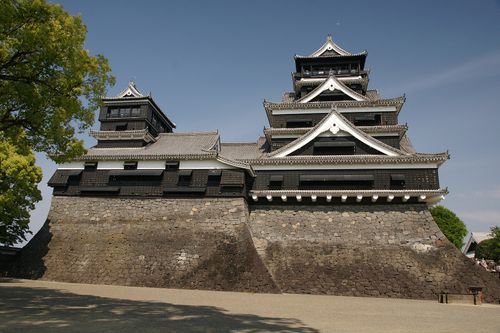
Kumamoto City, KumamotoHistory & Culture
Kumamoto Castle
Kumamoto Castle is a castle in Chuo Ward, Kumamoto, also known as "Ginnan Castle" (Ginkgo Castle). Its stone walls make extensive use of the "Musha-gaeshi" shape Kato Kiyomasa excelled at, and preserve much of their Edo-period appearance.
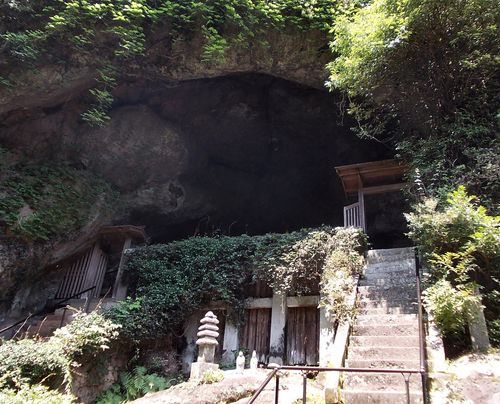
Kumamoto, KumamotoHistory & Culture
Reigando Cave (Ungan-zenji Temple)
Reigando is a cave behind Unganzen-ji temple in Nishi Ward, Kumamoto. Miyamoto Musashi is said to have retreated here in his later years and written The Book of Five Rings. Iwato Kannon is enshrined inside, and stone Five Hundred Arhats line the hill behind.
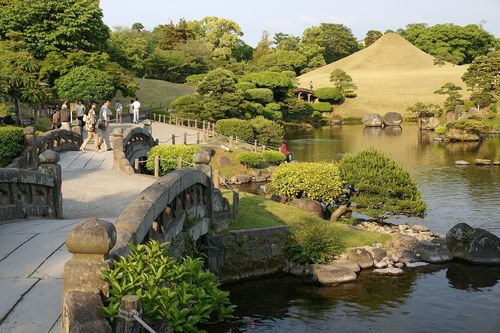
Kumamoto City, KumamotoHistory & Culture
Suizenji Jojuen Garden
A beautiful strolling garden fed by spring water from Aso. Enjoy seasonal charm in a landscape modeled on the 53 stations of the Tokaido and an artificial hill representing Mt. Fuji, a signature spot of Kumamoto.

Aso City, KumamotoHistory & Culture
Aso Shrine
Aso Shrine in Ichinomiya, Aso, Kumamoto, is the head shrine of the several hundred Aso shrines nationwide. It stands at the northern foot of Mt. Aso and has long been revered as the Ichinomiya of Higo Province.

Hitoyoshi City, KumamotoHistory & Culture
Hitoyoshi Castle Ruins
Hitoyoshi Castle Ruins is the former seat of the Sagara clan in Hitoyoshi, Kumamoto. Built on a hill where the Kuma River meets its tributary the Muna River, it was a "river castle" that used the rivers as natural moats.
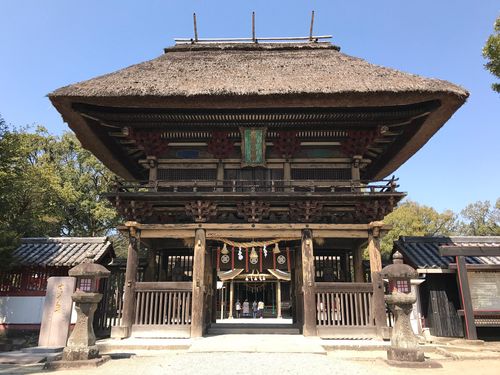
Hitoyoshi, KumamotoHistory & Culture
Aoi Aso Shrine
Aoi Aso Shrine in Hitoyoshi, Kumamoto, is said to date from 806. Five buildings built in the early 1600s are National Treasures, and its thatched two-story gate was the first thatched shrine or temple structure to be so designated.
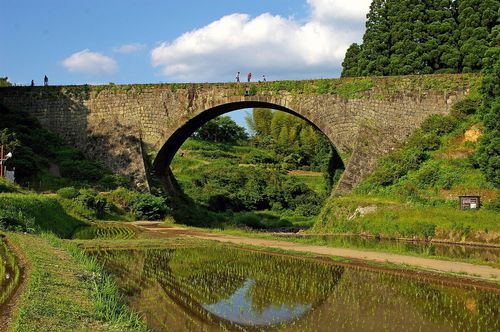
Yamato Town, KumamotoHistory & Culture
Tsujun Bridge (Tsujunkyo)
A stone single-arch aqueduct bridge in Yamato, Kumamoto, completed in 1854. It uses the inverted siphon principle to send water from the Tsujun irrigation channel to the plateau on the opposite bank.
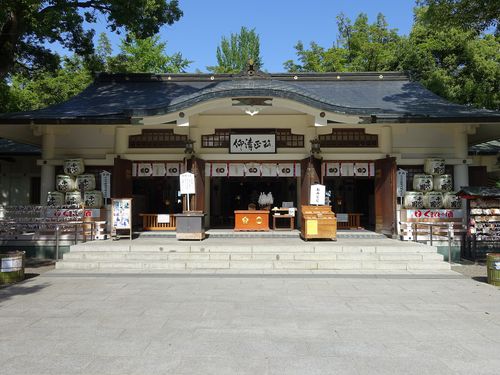
Kumamoto, KumamotoHistory & Culture
Kato Shrine
Kato Shrine stands north of the main enclosure of Kumamoto Castle and enshrines Kato Kiyomasa, a master castle builder. Because "Kato" sounds like the Japanese for "let's win," young people come for luck in studies and contests.
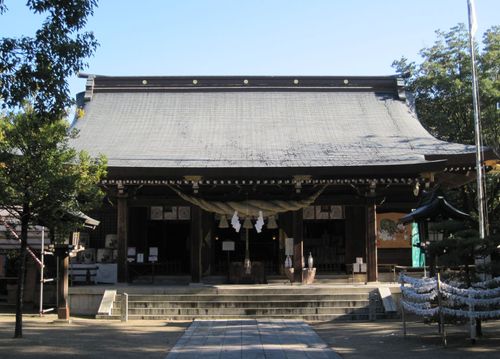
Kikuchi, KumamotoHistory & Culture
Kikuchi Shrine
Kikuchi Shrine is in Kikuchi, Kumamoto. A former Beppyo Kanpei-sha, it enshrines Kikuchi Taketoki, Takeshige and Takemitsu, who fought for the Southern Court, and is one of the Fifteen Shrines of the Kenmu Restoration. It is also known for its cherry blossoms.
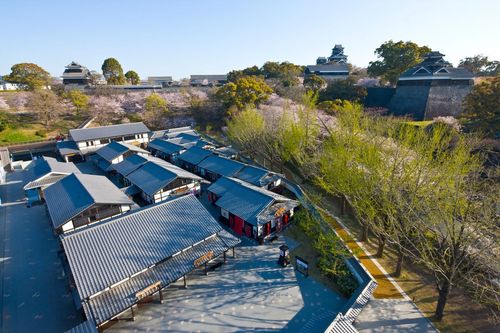
Chuo-ku, Kumamoto City, KumamotoHistory & Culture
Sakura-no-Baba Josaien
Sakura-no-Baba Josaien is a tourist facility in the Ninomaru area at the foot of Kumamoto Castle. It consists of a tourist information center, the Castle Museum "Wakuwaku-za," and Sakura-no-Koji, a street recreating an Edo-period castle town.
Takamori Town, KumamotoHistory & Culture
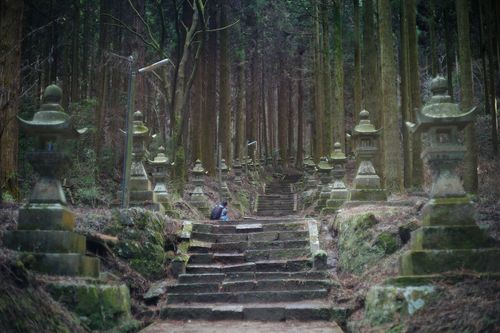
Kamishikimi Kumanoza Shrine
Kamishikimi Kumanoza Shrine stands on the southeast side of the Aso caldera outer rim in Takamori, Kumamoto. Beyond the shrine hall, up a mountain path, lies Ugetoiwa, a rock mountain pierced by a hole more than 10 meters across.
Yamaga City, KumamotoHistory & Culture
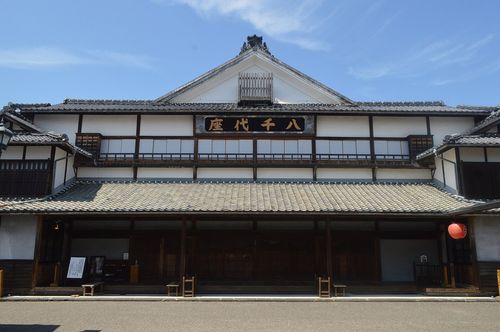
Yachiyoza Theater
A kabuki playhouse in Yamaga, Kumamoto, built in 1910 with funds from local merchants. It was designated an Important Cultural Property in 1988 and is used for kabuki performances and citizens' concerts.
Uki City, KumamotoHistory & Culture
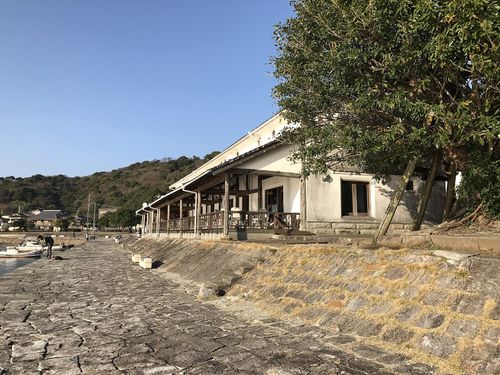
Misumi West Port
Misumi West Port in Uki, Kumamoto opened in the 20th year of the Meiji era. Its stone-built wharves and waterways survive in nearly complete condition, and it was inscribed as a UNESCO World Cultural Heritage site in 2015.
Amakusa City, KumamotoHistory & Culture
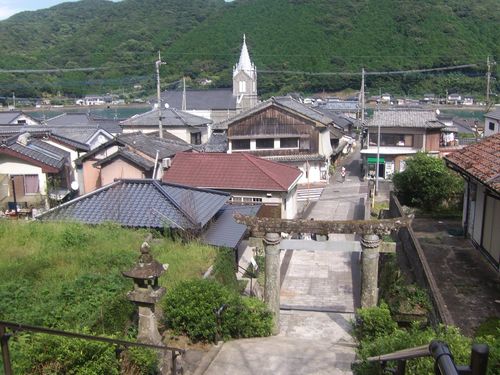
Sakitsu Village
Sakitsu Village is a fishing hamlet on Yokaku Bay in Kawaura, Amakusa, Kumamoto. It was inscribed as a World Cultural Heritage site in 2018 as a component of the Hidden Christian Sites in the Nagasaki and Amakusa Region.
MORE
More lists for Kumamoto
Browse the other lists for the same prefecture.
Kumamoto by category
- History & Culture14 places
- Nature & Scenic Views7 places