ABOUT
About this spot
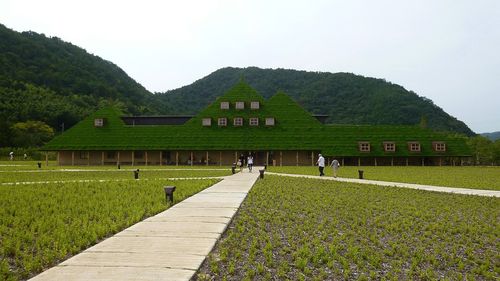
Blumen-no-Oka is a hands-on agricultural park in Hino, on the eastern side of Lake Biwa in Shiga Prefecture. Built around the themes of dairy farming, animal encounters and hands-on activities, it takes its look from a medieval German farming village. Flower fields, paddocks and play areas are scattered over a broad hill, making it a family-friendly spot in the Koto region where visitors can easily spend half a day.
The park opened on April 19, 1997. It began as part of a plan around the proposed Biwako Airport: when the prefectural livestock technology center on the planned airport site was to be relocated, a farming and livestock park was planned alongside. A third-sector company funded by Hino Town and the local agricultural cooperative was set up in 1995, and the concept took shape after a study visit to Neustadt an der Aisch in Germany, which later led to a sister-city agreement. Visitors are said to have passed one million within just seven months of opening.
There is plenty to do. Options include the Alpine Gym Park and the Forest Liner (a two-person zip line), go-karts, a wooden maze, grass sledding, trampolines, pedal boats and archery, plus treasure-hunting activities such as dinosaur fossil digging and gem hunting. The Town area has a workshop making house-made sausages, a farm restaurant and a Sylvanian Families play room, and dogs are welcome at three dog runs: one for medium and large dogs, one for small dogs and one open to all sizes.
Animals are another draw. Sheep, goats, alpacas, horses, kangaroos and guinea pigs live here, and feeding and petting events are held on some days. In summer, the Jabu-jabu Pond (about 700 square meters, 5 to 30 cm deep) and a small stream are open for water play; the pond operates on weekends and holidays from late April to mid-July and in September, and daily from late July to late August. Seasonally changing activities include soap making, woodcraft, snow globe making and hands-free barbecues.
The scenery changes with the seasons. The official site says flowers can be enjoyed all year round, and in autumn it features cosmos, yellow cosmos, a russet carpet of burning bush (kochia) and autumn sunflowers. At the late-April anniversary event, a marching parade by the Kyoto Tachibana High School band is a popular draw.
Allow three to four hours if you focus on the play equipment and animals, or a full day if you add meals, activities and a stroll through the flower fields. By public transport, take a bus from Omi-Hachiman or Hino Station to Habamachi and walk about 10 minutes; by car, it is about 20 minutes from Yokaichi IC on the Meishin Expressway. Displayed animals are sometimes changed as a bird-flu precaution, so check the official site shortly before your visit if animals are your main goal.
Sources
This article was written from the official, municipal and tourism-association sources above, and checked against them separately from the writing. Editorial policy
Last updated November 19, 2026