ABOUT
About this spot
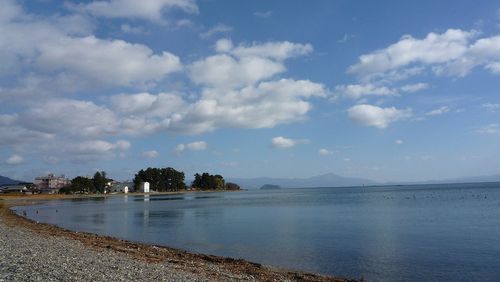
Lake Nishinoko spreads across the northeastern part of Omihachiman on the southeastern shore of Lake Biwa. Among the inner lakes (naiko) connected to Lake Biwa, it has the largest area of those that still exist. It covers 2.15 km2 with an average depth of only 1.5 m; the Azuchi, Yamamoto, Jasuna and Kurohashi rivers flow into it, and it drains into Lake Biwa through the Chomeiji River. Most of the many inner lakes that once surrounded Lake Biwa have vanished through reclamation. Nishinoko is what remained as water when the neighboring Onakanoko was reclaimed, and together with the reed beds along its shore it preserves a precious picture of Lake Biwa's older landscape.
Reeds have supported life here. The Maruyama settlement on the north shore became widely known as a reed-producing area through the distribution routes built by Omi merchants, and cut reeds are still processed there into high-quality summer fittings such as sudare blinds and yoshizu screens. Reeds from Nishinoko are also used for the torches of Omihachiman's Sagicho Festival.
Valued as a landscape in which nature and livelihood are intertwined, Nishinoko, its surrounding reed beds, Hachiman-bori and the Maruyama settlement were selected on January 26, 2006 as "Waterside Landscape of Omihachiman," a nationally Important Cultural Landscape, the first such selection in Japan. It was also designated a bird sanctuary in 2006 and added to Lake Biwa's Ramsar Convention wetland area in 2008. Herons, little grebes and reed warblers are among the birds introduced as seen in the reeds.
To experience the lake, take a waterway tour by wooden boat. Gliding through channels that wind like a maze is said to convey the charm of "Spring Colors, Waterside of Azuchi and Hachiman," one of the Eight Views of Lake Biwa, and tradition holds that Oda Nobunaga enjoyed such outings in imitation of court pastimes. Boarding points include Kitanosho-cho, Maruyama and Chomeiji, and besides wooden boats there are hand-rowed boats and motor boats. The area is also known as a filming location for the period drama Onihei Hankacho. Operating seasons and fares vary by operator, so please check at each boarding point.
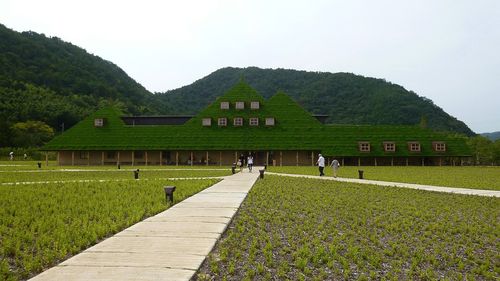
The surroundings are rich in history. Hachiman-bori was the moat of the castle town built by Toyotomi Hidetsugu, and as a waterway leading through Nishinoko to Lake Biwa it supported the merchant town of Omi. Nearby listed spots include Azuchi Castle, La Collina Omihachiman and Kannonji Castle, so you can combine historical exploration with waterside scenery in a single day. JR Azuchi Station is the nearest, and parking such as the Nishinoko Station car park is available.
Sources
This article was written from the official, municipal and tourism-association sources above, and checked against them separately from the writing. Editorial policy
Last updated November 16, 2026