ABOUT
About this spot
Ine no Funaya is a long line of houses standing along the shore of Ine Bay on the eastern side of the Tango Peninsula in northern Kyoto Prefecture. Aoshima Island floats offshore. Facing this bay, the funaya, boathouses built as one with the main living quarters, stand right at the water's edge. The Ine Tourism Association calls it "the life closest to the sea in Japan", and the scenery is hard to find anywhere else.
In 2005 Ineura became the first fishing village to be designated an Important Preservation District for Groups of Traditional Buildings, so the townscape itself is protected as a cultural property. The funaya were not built for tourists. Most are still lived in, and almost all of the land is privately owned. Please do not enter without the owner's permission, and be considerate when taking photos or video.
On foot, the best way to enjoy the area is to walk slowly along the road that follows the bay and look at the eaves lining the shore. Some funaya can be visited inside: Yoraku, a traditional old house; Koyomaru, which displays old fishing tools and photographs; Seikaiha, a main house and boathouse combined, built in 1861; and Tomobuto-ya, more than 80 years old, where you can also enjoy gelato. There is also a dedicated audio guide for walking tours.
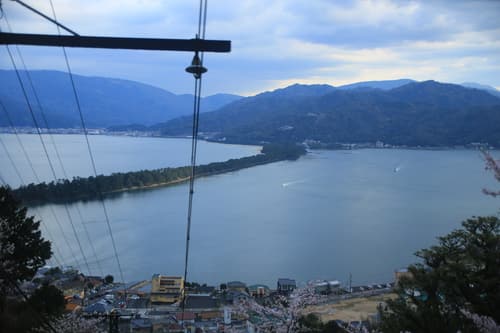
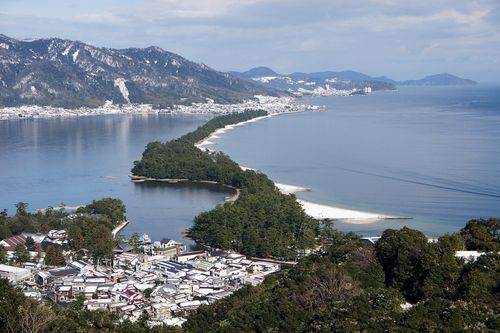
To see the village from the water, small sightseeing boats and sea taxis guided by local boatmen in their own boats are convenient. Cruising around the bay, you can look up at the funaya from sea level and get close to Aoshima. Operation depends on the day, so check the Ine Tourism Association website before you go. From a high viewpoint you can see the whole bay and how the funaya curve along the shore.
Morning and evening, when the bay is quiet and the light is soft, are the best times to visit. The colors of the sea and hills change with the seasons, so each visit feels different. About ten minutes away by car is the day-use hot spring facility Megumi no Yu, if you want to warm up. Allow about half a day for walking and visiting the interiors, and a little more if you add a boat trip.
Nearby sights include Urashima Shrine, Araizaki Shrine, Mizunoe-no-sato Urashima Park, Honjo Beach, the Tango Great Buddha, and the Arai terraced rice fields. There is no railway in the town; the nearest stations on the Kyoto Tango Railway are Miyazu and Amanohashidate. By car it takes about two hours from Kyoto, and the roadside station Funaya no Sato Ine is also available.
Sources
This article was written from the official, municipal and tourism-association sources above, and checked against them separately from the writing. Editorial policy
Last updated November 21, 2026