ABOUT
About this spot
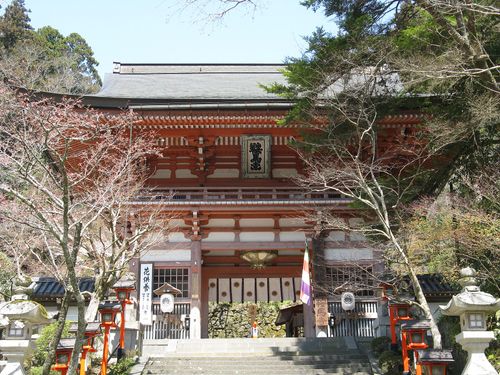
The Kurama Mountain Cable Railway is a funicular run by Kurama-dera Temple on Mount Kurama in Sakyo Ward, Kyoto. It is a short line of about 200 meters, with a height difference of about 96 meters, linking Sanmon Station at the foot of the mountain with Tahoto Station on the slope, and the ride takes about two minutes. It is said to be the only railway run by a religious corporation among those operating under Japan's Railway Business Act. The temple gate (Niomon) is about 5 minutes on foot from Kurama Station on the Eizan Electric Railway, and Sanmon Station lies just beyond it, at Fumyoden.
Kurama-dera is a mountain temple where the young Minamoto no Yoshitsune, known as Ushiwakamaru, is said to have trained. The funicular's cars carry the nickname "Ushiwaka-go" after that childhood name. Service was once suspended for renovation in 2015, and resumed in May 2016 with a new fourth-generation car. In quiet periods service runs every 15 to 20 minutes, switching to shuttle operation in busy periods.
Instead of a fare, riders pay a donation toward the upkeep of the temple. You get a donation slip from a ticket machine, and visitors holding a disability certificate and one companion ride without a donation. In other words, this vehicle is part of the system that supports the faith and life of Mount Kurama, and is a sightseeing ride and also an aid for worshippers.
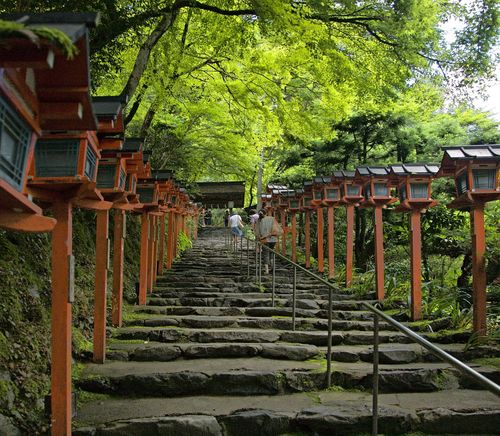
From the gate to the main hall, Honden Kondo, is the winding path that Sei Shonagon described in The Pillow Book as a way "near yet far", about 30 minutes on foot. Along the way, sights continue, including sites associated with Yoshitsune, Yuki Shrine. Even after you get off at Tahoto Station, it is a walk of about 10 minutes up the mountain path, past several halls, to the main hall. You can combine the two according to your strength and time, for example walking up and riding down.
The fresh green season, when the trees are at their deepest, and clear winter mornings let you feel the presence of the mountain even more. If you visit mainly to worship and walk the approach to the main hall, allow around two hours. The funicular may be suspended in winter and during periodic inspections, so check the Kurama-dera official website for the operating schedule before you go. It is a place of faith, so please be quiet and follow the guidance in the precincts.
Sources
This article was written from the official, municipal and tourism-association sources above, and checked against them separately from the writing. Editorial policy
Last updated November 21, 2026