ABOUT
About this spot
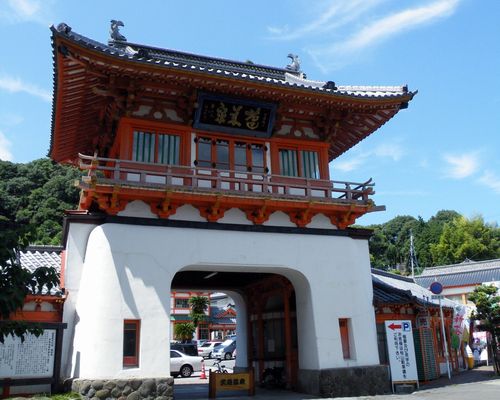
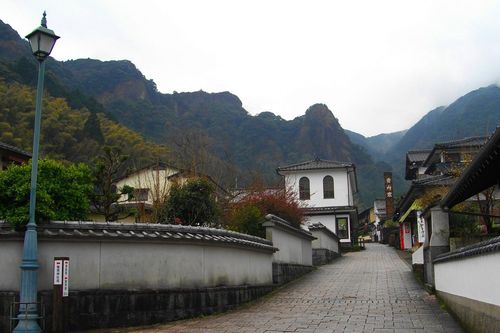
Mifuneyama Rakuen is a pond-and-stroll garden in Takeo, Saga Prefecture, known for its azaleas and autumn foliage. You walk around a large pond, and a major attraction is the view that borrows the cliffs of Mount Mifune, the symbol of Takeo, as a backdrop, a technique called shakkei. The grounds cover about 150,000 tsubo, which one source compares to about ten Tokyo Domes, and it lies on the southwest foot of the 210-meter Mount Mifune. Azaleas alone number about 200,000, so flowers can be enjoyed in every season.
The garden was commissioned by Nabeshima Shigeyoshi, the 28th lord of the Takeo domain of Saga, as the garden of his villa. It was originally called “Haginoo-en” and was completed in 1845 (Koka 2) after about three years of work. From the end of the Meiji era onward, cherry trees and many Kurume and Hirado azaleas were planted, and it is said to have taken on its present appearance. On February 22, 2010 it was entered on the national Register of Monuments (scenic sites category) under the name “Garden of the Former Villa of the Nabeshima Family, Lords of Takeo (Mifuneyama Rakuen).”
Mount Mifune, which gave the garden its name, carries a tradition that Empress Jingu tied up her boats here when she returned from her campaign against Silla. The cliffs rising behind the garden give its scenery depth.
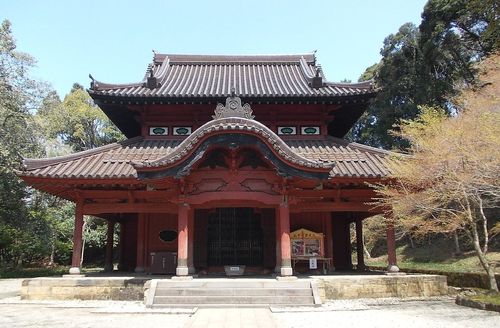
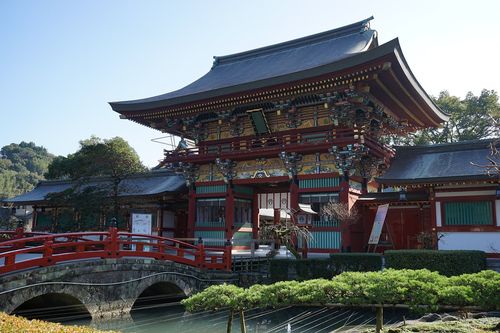
Highlights within the garden include seasonal plants, old trees and a tea house. About 50,000 azalea plants, some 200,000 stems, color the valley among the hills, and the contrast between the cliff rock and the colors of the flowers is considered especially fine. The wisteria trellis has a great wisteria estimated to be 170 years old, said to bloom in two colors, white and purple. In autumn a grove of maples turns color, and a great maple said to be 170 years old can also be seen. A great camphor tree said to be 300 years old, the Five Hundred Arhats, and the Haginoo Ochaya tea house, said to date from the garden's creation, are also scattered through the grounds. Cherry trees such as Somei-Yoshino are planted too and are introduced as blooming from late March. The tea house is introduced as open to the public in spring and autumn.
Mifuneyama Rakuen is close to Takeo Shrine, so it combines easily with a stroll around Takeo. The peak flowering time, the periods when the tea house is open and evening events can vary from year to year, so check the official website for the latest information before you go.
Sources
This article was written from the official, municipal and tourism-association sources above, and checked against them separately from the writing. Editorial policy
Last updated November 12, 2026