ABOUT
About this spot
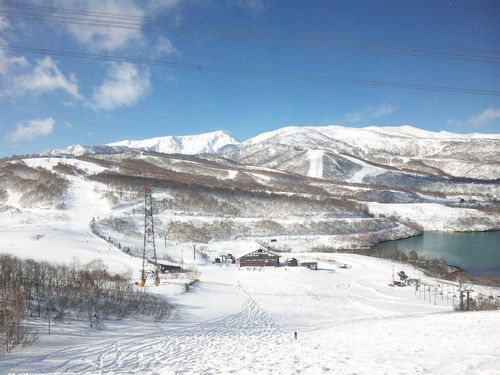
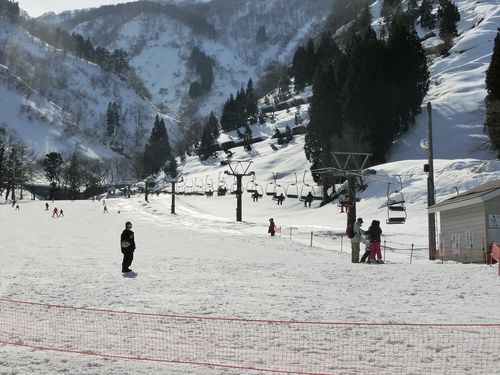
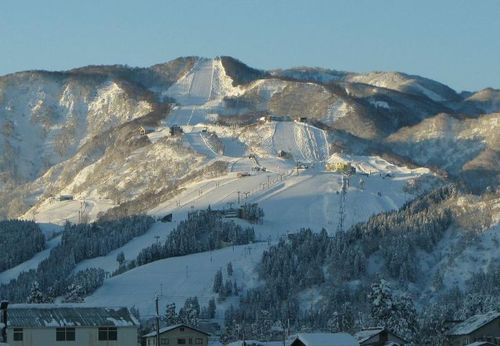
Naeba Ski Resort is in Mikuni, Yuzawa Town, Minamiuonuma District, Niigata Prefecture, and is run by Seibu Prince Hotels Worldwide. It opened in December 1961 as Naeba International Ski Resort and took its present name in 1973. The slopes spread across the eastern foot of Mt. Takenoko in the Mikuni range. According to the operator's official guide, the vertical drop is 889 m, with 24 courses, a longest run of 4,000 m, a maximum gradient of 32 degrees and a course area of 134 hectares, served by 12 lifts and gondolas in total.
What stands out most is how many people it draws. At the height of the ski boom about 3.8 million visitors came each year; the figure has since fallen to roughly a third of that, yet it is still described as the highest visitor count of any single ski resort in Japan. The Alpine skiing World Cup was held here in 1973, the first in Japan, and again in 1975 and 2016. Moguls World Cup events were also held at Naeba in 2004 and 2012.
The Naeba Prince Hotel stands right beside the slopes, so skiers can return straight to their lodging after the last run. Since 1999 the area has also hosted the Fuji Rock Festival, making Naeba known in summer as well as in the snow season.
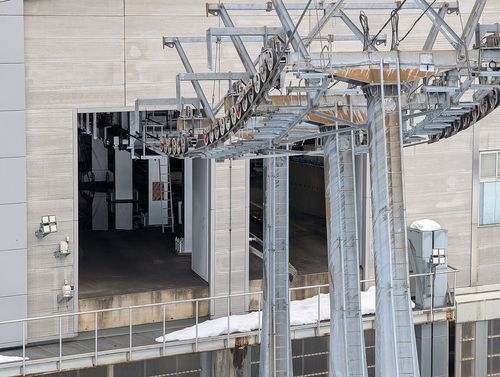
The Naeba Dragondola (Naeba-Tashiro Gondola) is 5,481 m long and is said to be the longest in Japan. It lets visitors travel between Naeba and the Tashiro, Kagura and Mitsumata ski areas, and the area linked by the gondola is also called Mt. Naeba.
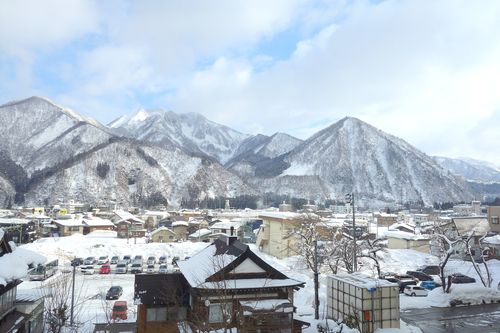
The surroundings also carry the history of snow country. Mikuni Pass, at 1,244 m, was a key point on the Joetsu border, and in the Edo period the three post towns of Asagai, Nii and Mitsumata prospered along the Mikuni Highway. The Mikuni Tunnel opened in 1959, allowing cars to cross the border for the first time. The nearest station, Echigo-Yuzawa, is on the Joetsu Shinkansen, as fast as 66 minutes from Tokyo Station. Echigo-Yuzawa Onsen, regarded as the model for Yasunari Kawabata's novel Snow Country, is in the same town. Mt. Naeba is also featured in Kyuya Fukada's One Hundred Famous Japanese Mountains; Suzuki Bokushi climbed it in 1811 and recorded the ascent in Hokuetsu Seppu.
Sources
This article was written from the official, municipal and tourism-association sources above, and checked against them separately from the writing. Editorial policy
Last updated October 29, 2026