ABOUT
About this spot
Nara Park is a prefectural urban park in Nara City, Nara Prefecture, and is also designated a national Place of Scenic Beauty (designated in 1922). It began on 14 February 1880 (Meiji 13), when the former precinct of Kofuku-ji, then state-owned land, was made into a park, with an initial area of about 14 hectares. It later grew to take in temples, shrines and mountain forest, becoming today's Nara Park. The area at the time of its scenic designation included mountain forests such as Kasugayama and Wakakusayama and the precincts of Todai-ji and Tamukeyama Hachimangu.
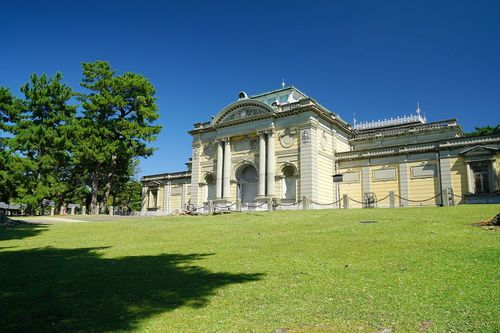
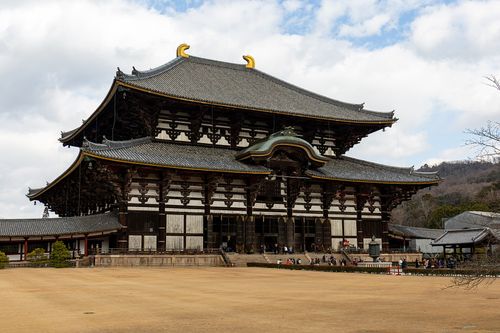
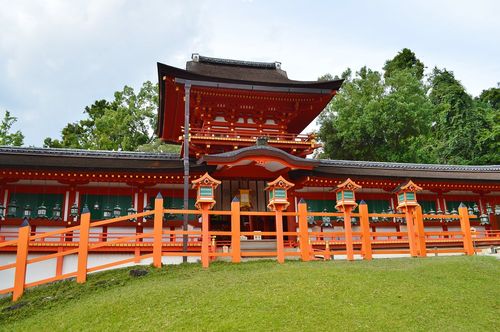
Its area depends on how it is counted. The prefectural urban park covers about 502 hectares, of which about 40 hectares are flat land and about 463 hectares are the forested hills of Wakakusayama, Hanayama and Hoyama; the precincts of temples and shrines such as Todai-ji, Kofuku-ji and Kasuga Taisha are not included. The designated Place of Scenic Beauty covers about 524 hectares, and about 660 hectares including the surrounding temple and shrine grounds. Todai-ji, Kofuku-ji, Kasuga Taisha, the Shosoin, the Nara National Museum and Isuien lie in and around the park, which includes garden areas such as Sarusawa-ike, Ukigumo, and Asajigahara with Sagi-ike Pond and the Ukimido pavilion.
The symbol of the park is its deer. The "Deer of Nara" are a national Natural Monument. A Kasuga deer protection society was founded in 1891, the forerunner of today's Nara Deer Preservation Foundation, but in the turmoil during and after the war poaching reduced the deer to about 80. On 18 September 1957 the deer throughout Nara City were formally designated a Natural Monument, and today they can be seen across the park's lawns. The sight of deer gathering when you approach holding shika-senbei crackers is unique to Nara. They are wild animals, so be careful to keep your distance.
Behind lies the Kasugayama Primeval Forest, protected as the sacred ground of Kasuga Taisha. Kasugayama has long been regarded as a sacred mountain, and felling of its trees has been prohibited since 841 (Jowa 8). It became a national Natural Monument in 1924 and a Special Natural Monument in 1955, covering about 250 hectares. The evergreen broadleaf forest grows shii, arakashi, ichii-gashi and other trees, with many vines as well. In December 1998 it was inscribed as part of the World Heritage "Historic Monuments of Ancient Nara." The Kasugayama Walking Trail runs 9.4 km.
Wakakusayama is also part of the mountainous section of the prefectural urban park. Walking through terrain that changes from flat gardens to forest and mountain, you can sense how the town of Nara has been supported by faith and nature.
Sources
This article was written from the official, municipal and tourism-association sources above, and checked against them separately from the writing. Editorial policy
Last updated November 12, 2026