SPOT

Eihei-ji Temple

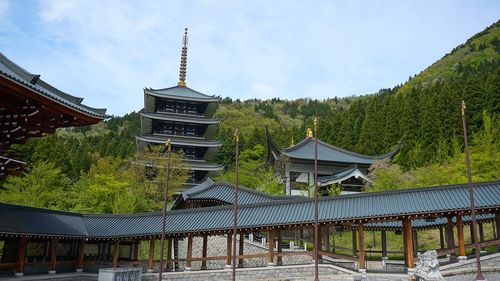
Eihei-ji Temple, in Eiheiji, Fukui, is one of the head temples of the Soto school. Its founder was Zen Master Dogen, and it is said to date from 1244.

FukuiEiheiji Town

36.06°N 136.36°E

TRAVEL NOTES

Before you visit Eihei-ji Temple

How long does a visit to Eihei-ji Temple take?
Touring the temple grounds takes a little under an hour. The temple stands on a mountain slope with many stairs, so allow plenty of time, including for rests.Source: Daihonzan Eiheiji official website
When is the best time to visit Eihei-ji Temple?
The scenery is beautiful in every season; in November, autumn leaves set off the stately temple halls. In winter, the snowy scenery is also a highlight.Source: Fuku-e.com (Fukui Prefectural Tourism Federation)
When is Eihei-ji Temple crowded?
November, the autumn foliage season, is especially busy with visitors.Source: Fuku-e.com (Fukui Prefectural Tourism Federation)

Checked against official information on November 12, 2026. Please see the official website for the latest details.

ABOUT

About this spot

Daihonzan Eiheiji, in Eiheiji Town, Yoshida District, Fukui Prefecture, is one of the two head temples of the Soto school of Zen, ranking alongside the other, Sojiji. Its mountain name is Kisshozan, its founding priest is Dogen, and its patron founder is Hatano Yoshishige. It is said to have been founded in the second year of Kangen, 1244.

After studying at Mount Hiei, Dogen crossed to Song China at the age of 24 and devoted himself to seated meditation under Rujing. Back in Japan he taught in Kyoto but was persecuted by the powers of Mount Hiei, so in 1243 he moved to Shihi in Echizen Province. The following year he built Daibutsuji on Kasamatsu Peak, which was the beginning of Eiheiji, and in 1246 the temple took its present name. What Dogen taught was a style of Zen centered on shikantaza, simply sitting, and the monks live by the detailed rules he laid down. About one hundred monks are said to train here today.

The grounds contain more than seventy buildings, nineteen of which are Important Cultural Properties. The two-story Sanmon gate, built in 1749, holds statues of Shakyamuni and the five hundred arhats on its upper floor and is regarded as the oldest hall in the temple. The Hatto was built in 1843 and the monks' hall in 1902, the latter being where monks practice meditation and take meals. Shoyoden, the mausoleum of Dogen, dates from 1881, and the Daikuin, which combines a kitchen and offices, from 1930; it is also known for an old elevator that survives. Sanshokaku, built in 1930 and moved in 1995, is a hall of 156 tatami mats whose ceiling paintings were made by 144 artists.

Because fires destroyed the halls repeatedly, most of the surviving buildings date from the early modern period or later. After Dogen, the temple was developed under the second abbot Ejo and the third, Gikai, went through a period of decline, and was revived by the fifth abbot Giun, who laid its present foundations. In the early Edo period, the shogunate's regulations made it a head temple alongside Sojiji. Repairs and extensions have been handled for generations by the Eiheiji carpenters who live in the village at its gate. Among its cultural properties, Fukan zazengi is a National Treasure, and the bell of 1327 is an Important Cultural Property.

Before visiting, check the guidance on the official site. Strollers cannot be used because of the many stairs, so they are left at reception and children are carried. Pets must be kept in a cage, while assistance dogs may accompany you. For access, you can take a bus from Eiheiji-guchi Station on the Echizen Railway or the express Eiheiji Liner bus from Fukui Station, and by car the Eiheiji Sando interchange on the Chubu-Jukan Expressway is nearby. The old approach crossed Ossaka Pass, and signposts and stone Buddhas remain along it.

Sources

  1. ja.wikipedia.org
  2. daihonzan-eiheiji.com
  3. daihonzan-eiheiji.com

This article was written from the official, municipal and tourism-association sources above, and checked against them separately from the writing. Editorial policy

Last updated November 12, 2026

Share this spot

NEARBY

Nearby recommendations

More places worth visiting in the area.

Fukui City, Fukui

Ichijodani Castle Ruins

Ichijodani Castle Ruins are a Sengoku-period mountain castle in Fukui, built on Mt. Ichijo above the Asakura clan's castle town. Its compounds line the ridge, and dry moats and earthworks can be traced on the slopes.

Fukui City, Fukui

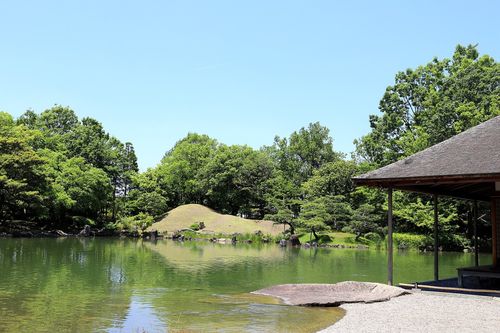
Yokokan Garden

Yokokan Garden, once a villa of the Matsudaira family, lords of Fukui, is a beautiful stroll garden with pond designated a national place of scenic beauty. From the sukiya-style residence that seems to float on a large pond, you can enjoy scenes of the four seasons, and a calm time passes that makes you forget the urban bustle.

Sakai, Fukui

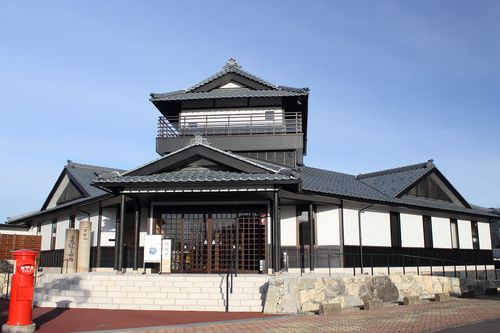
Brief Messages from the Heart Museum (Ippitsu Keijo Nihon-ichi Mijikai Tegami no Yakata)

Brief Messages from the Heart Museum in Maruoka, Sakai, Fukui, displays winning entries from the Ippitsu Keijo short-letter contest. Opened in 2015, it stands right next to Maruoka Castle.

Sakai City, Fukui

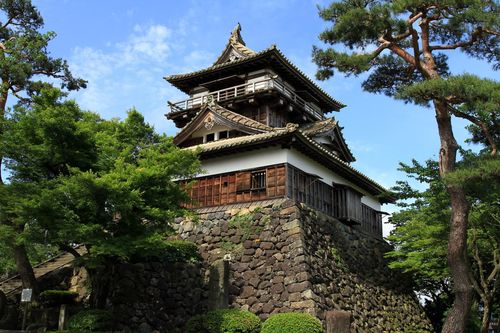
Maruoka Castle

Maruoka Castle in Sakai, Fukui Prefecture, was built in 1576 (Tensho 4) by Shibata Katsutoyo. Its keep, designated an Important Cultural Property, has extremely steep stairs.

Katsuyama City, Fukui

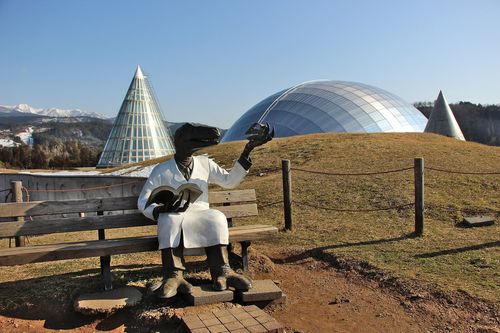
Fukui Prefectural Dinosaur Museum

Fukui Prefectural Dinosaur Museum is in Nagaoyama General Park (Katsuyama Dinosaur Forest) in Katsuyama, Fukui. Its first-floor permanent exhibition hall is a dome-shaped space lined with dinosaur skeletons.

Katsuyama City, Fukui

Echizen Daibutsu

Echizen Daibutsu is a seated Birushana Nyorai (Vairocana) statue at a temple in Katsuyama, Fukui. It is 17 m tall, and the temple's website says it is over 2 m taller than the Great Buddha of Nara.

AREA

Explore the area

More places in the same city, the same category, and close by.

NEARBY

Festivals and breweries in Eiheiji Town

Festivals and brewery visits on our sister sites, in the same city as this spot.

MORE TO EXPLORE

More from Fukui

Discover more of the same region on our sister sites.