ABOUT
About this spot
Tsukioka Onsen lies in the countryside of Shibata City, Niigata Prefecture, and is known for sulfur-rich water of a clear emerald green. The spa opened in 1915, and tradition says that hot water above 50 degrees gushed from a well being drilled for oil, after which a man named Honma Shuzaburo built a public bath (some sources give 1917). The water is a sulfur-containing sodium chloride-sulfate type, weakly alkaline. In the tub it looks a clear green and is said to turn milky white with the season or weather.
Its hydrogen sulfide ion content is said to be the highest in Japan, and it is also known as a 'beauty bath.' Together with Bandai Atami Onsen and Iwaki Yumoto Onsen, it is counted among the 'Three Beauty Baths of Bannetsu.' The water is gentle on the skin, leaves it feeling moist after bathing, and is said to warm you to the core. In 1957, 25 inns had in-house baths, and by 1986 every inn had one.
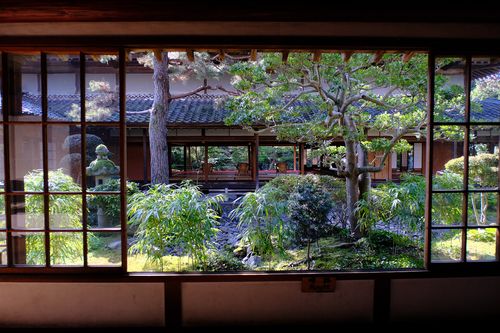
The town is made for strolling, with inns, foot baths, restaurants and souvenir shops. At Gensen-no-Mori, built where the spa began, you can drink the sulfur water, which calls itself 'the worst-tasting hot spring in Japan.' The foot bath Ashiyu Yutabi uses 100 percent source water and is lit at night with paper umbrellas. Tsukiakari-no-Niwa, a Japanese garden opened in 2018, built on the site of a former inn, has 50 lanterns and suits an evening walk in a yukata. Some shops in town offer experiences such as Niigata sake and rice crackers.
Right next to the spa town is Tsukioka Carillon Park, which includes a glass-making workshop and a sword museum. The Arakawa Kenryu Gorge and the Ichijima residence are also in the surrounding area and make good side trips.
The best time to walk is from evening into night, when foot bath, umbrella lights and garden lanterns come together. Staying one night, bathing in both morning and evening, suits it better than a day trip. Facilities and foot baths may change their operations by season, so please check with the ryokan association or tourist information before you go.
Sources
This article was written from the official, municipal and tourism-association sources above, and checked against them separately from the writing. Editorial policy
Last updated November 16, 2026