ABOUT
About this spot
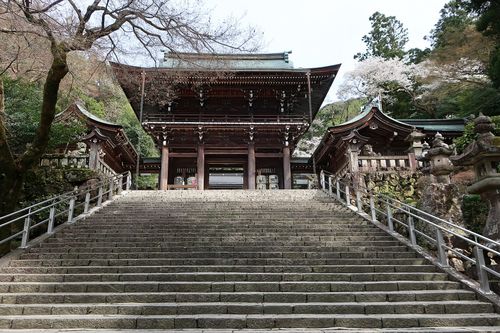
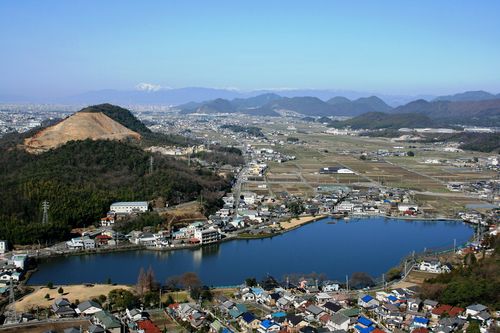
Monet's Pond is a pond beside the approach to Nemichi Shrine in Itadori, Seki City, Gifu Prefecture. "Monet's Pond" is a nickname; official guides such as Seki City's present it as the "Nameless Pond (nickname: Monet's Pond)." Locals have long called it "the Nemichi Shrine pond" or simply "the pond."
Its origin had nothing to do with tourism. It was a reservoir for irrigation, developed around 1980, and in 1999 the owner of a nearby plant nursery removed the weeds and planted water lilies and Japanese pond lilies. The carp were brought and released by local people. A few coincidences combined to produce today's scenery.
The name spread after the pond won a prize in a photography magazine contest in 2012. Because the water-lily scene resembles a Monet painting, it came to be called Monet's Pond, and from around 2015 it became a topic on social media and in the press, bringing a sudden rise in visitors.
What supports the clarity of the pond is its water. It is a spring-fed pond into which groundwater from Mount Koga flows constantly, and the water temperature stays steady at about 14 degrees Celsius all year. The surrounding mountains are made of rhyolite, so the spring water has few nutrients and microorganisms have trouble growing, which keeps the water clear. The pond covers about 400 square meters and is at most about 0.5 meters deep, small and shallow, yet carp swimming in the clear water appear to float in midair.
The water-lily leaves do not die back even in winter and remain in a reddened state. The Japanese pond lily blooms in winter, and its flowers change from yellow to orange and red. Some carp have a heart-shaped mark on the head, and a rumor has spread that seeing one will make your love come true. Because of the angle of the light, it is said that the view into the water is clearer in the morning.
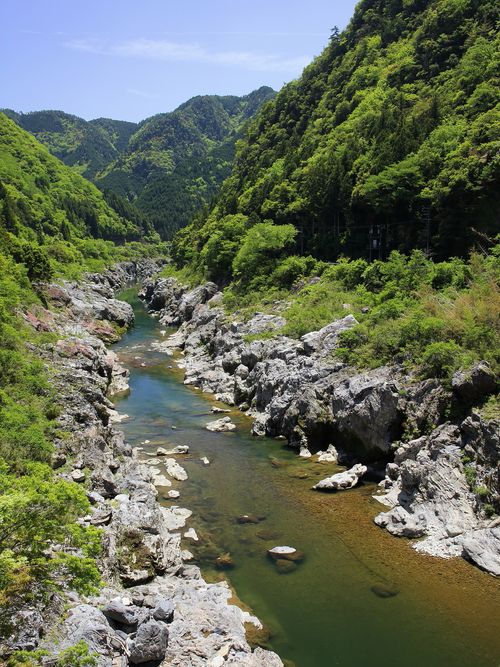
As popularity grew, problems appeared: a shortage of parking, soil washing in from the gravel road and clouding the water, and poorer water quality from feeding the carp. Parking was improved and the walkway paved, and in 2024 the whole circuit of the pond became barrier-free. A cooperation fee for environmental upkeep was also introduced. Nearby are Flower Park Itadori, the 21st Century Forest Park with about 70 stump cedars, and the Kawaura Gorge with its granite cliffs and clear stream, and some visitors see them together.
Sources
This article was written from the official, municipal and tourism-association sources above, and checked against them separately from the writing. Editorial policy
Last updated November 12, 2026