CATEGORY — Iwate
History & Culture in Iwate
The 11 places in the "History & Culture" category that we feature in Iwate, sorted by how often they are viewed.
Most of them are in Hiraizumi Town (4), Morioka City (3), Tono City (2).
SPOTS
Places in this list
Sorted by number of views

Hiraizumi, IwateHistory & Culture
Chusonji Temple
The head temple of the Tendai sect in the Tohoku region and a symbol of the World Heritage Site "Hiraizumi." More than 3,000 cultural properties, including the National Treasure Konjikido (Golden Hall), convey the glory of the Fujiwara clan to this day.
Hiraizumi Town, IwateHistory & Culture
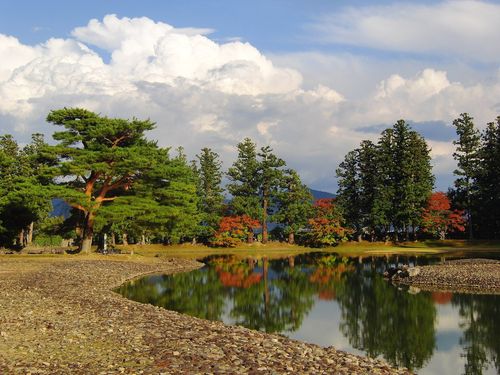
Motsuji Temple
Motsuji is part of the World Heritage site "Hiraizumi." Its Pure Land Garden, created by the second and third generations of the Fujiwara clan, is a nationally designated Special Place of Scenic Beauty and Special Historic Site that carries the aesthetic sense of the Heian period. Why not stroll the vast garden centered on Oizumi ga Ike Pond and imagine the ideal paradise of the past?
Morioka City, IwateHistory & Culture
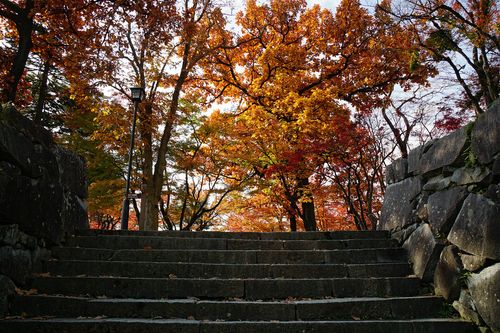
Morioka Castle
Morioka Castle stood in Uchimaru, Morioka, Iwate. This renkaku-style castle on a granite hill where the Kitakami and Nakatsu rivers meet was the Nanbu clan's seat and laid the foundations of today's Morioka.
Hiraizumi, IwateHistory & Culture
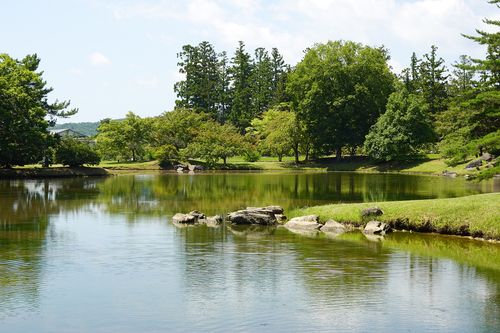
Kanjizai-o-in Ruins
The Kanjizai-o-in Ruins in Hiraizumi, Iwate, are the remains of a late Heian temple and Pure Land garden. A Special Historic Site, they are part of the Hiraizumi World Heritage listing.

Morioka, IwateHistory & Culture
Morioka Hachimangu Shrine
Morioka Hachimangu is a shrine in Morioka, Iwate, traditionally founded in 1062 and revered as the town's guardian shrine. It is the finishing point of the June Chagu Chagu Umakko horse parade.
Hiraizumi Town, IwateHistory & Culture
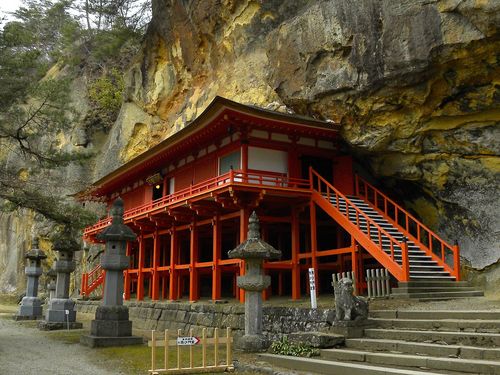
Takkoku-no-Iwaya Bishamon-do Temple
This Bishamon-do hall is built into a rock cave in a cliff face in Hiraizumi, Iwate. A large Buddha is carved into the upper part of the cliff, and the site was designated a National Historic Site in 2005.

Tono City, IwateHistory & Culture
Kappabuchi Pool
Kappabuchi Pool is a small pool in a stream in the Tsuchibuchi district of Tono, Iwate. It is known for Tono's kappa folklore, as the place where a kappa that startled people is said to have lived.
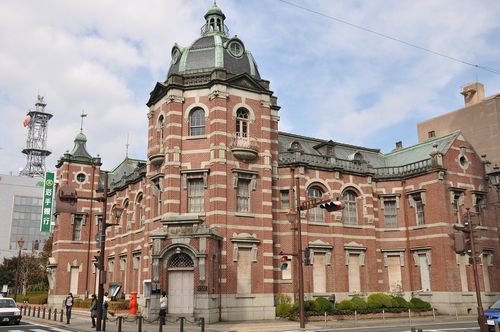
Morioka City, IwateHistory & Culture
Iwate Bank Red Brick Building
A Western-style red brick building on Nakanohashi-dori in Morioka, originally the head office of Morioka Bank. It is said to be the only surviving building in the Tohoku region designed by Tatsuno Kingo.
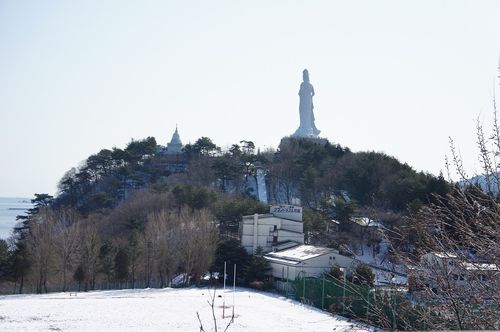
Kamaishi City, IwateHistory & Culture
Kamaishi Daikannon
A 48.5 m white Kannon statue watching over Kamaishi Bay. From the observation deck reached by climbing inside, you can see the sweeping ria coastline of the Sanriku coast.
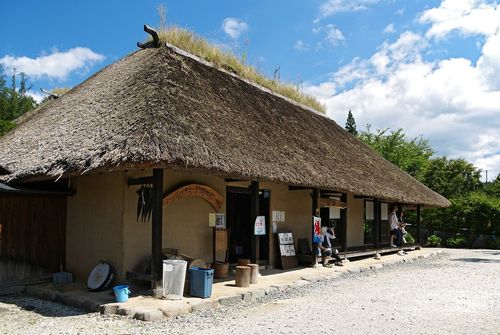
Tono City, IwateHistory & Culture
Tono Furusato Village
A living museum where Nambu magariya farmhouses from the Edo and Meiji periods have been relocated and recreated. In Tono's original landscape, enjoy the traditional ways of life and culture with all five senses.
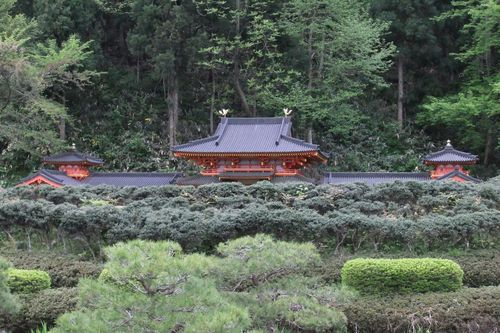
Oshu City, IwateHistory & Culture
Esashi Fujiwara no Sato
Esashi Fujiwara no Sato, in Oshu, Iwate, is a theme park recreating the Heian period. It preserves the large open set of an NHK historical drama and has over 120 recreated Heian-period buildings.
MORE
More lists for Iwate
Browse the other lists for the same prefecture.
Iwate by category
- History & Culture11 places
- Nature & Scenic Views7 places