CATEGORY — Tokyo
History & Culture in Tokyo
The 28 places in the "History & Culture" category that we feature in Tokyo, sorted by how often they are viewed.
Most of them are in Bunkyo-ku (5), Minato-ku (5), Chiyoda-ku (4).
SPOTS
Places in this list
Sorted by number of views
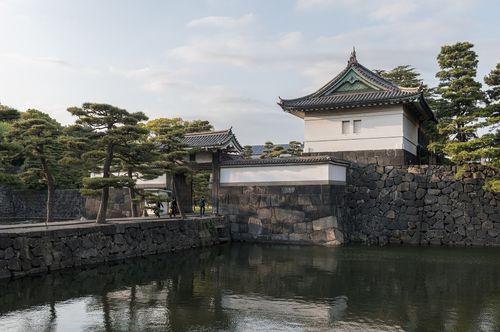
Chiyoda-ku, TokyoHistory & Culture
Edo Castle
Edo Castle was the residence of the Tokugawa shoguns. Today it is open to the public as the Imperial Palace East Gardens, where you can feel huge stone walls, the Fujimi Turret, the keep foundation and other historical remains up close. Surrounded by abundant greenery that makes you forget the bustle of the city, it is a must-see in Tokyo sightseeing for a historical stroll enjoying the nature of each season.
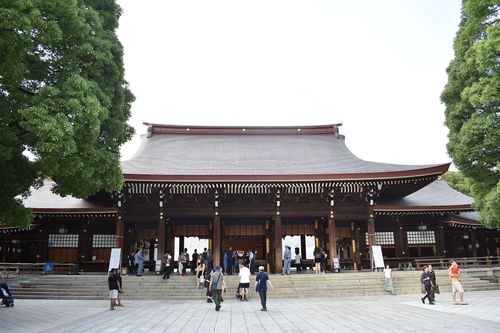
Shibuya, TokyoHistory & Culture
Meiji Jingu Shrine
A shrine in Shibuya, Tokyo, dedicated to Emperor Meiji and Empress Shoken. Though right next to JR Harajuku and Yoyogi stations, it has a sacred forest of about 700,000 square meters.
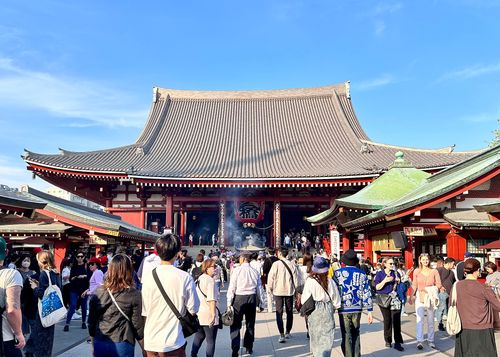
Taitō City, Tokyo, TokyoHistory & Culture
Sensō-ji
Sensō-ji is the head temple of the Shō-Kannon sect in Asakusa, Taitō City, Tokyo, regarded as the oldest temple in the city. It is known for the approach from Kaminarimon through Nakamise to the main hall.
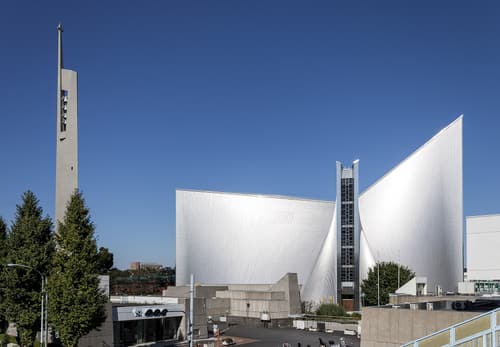
Bunkyo, TokyoHistory & Culture
St. Mary's Cathedral, Tokyo
St. Mary's Cathedral in Sekiguchi, Bunkyo, is the seat of the Catholic Archdiocese of Tokyo. Designed by Tange Kenzo and completed in 1964, it is known for its stainless-steel walls and a cross of light inside.
Chiyoda, TokyoHistory & Culture
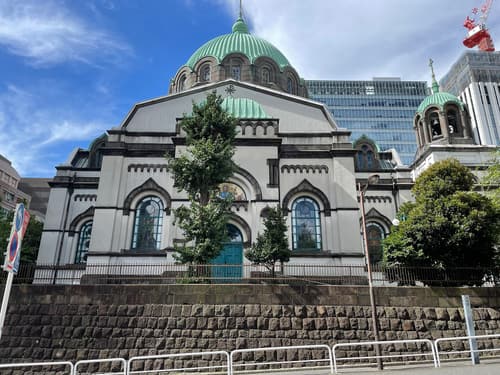
Holy Resurrection Cathedral (Nikolai-do)
Nikolai-do, formally the Holy Resurrection Cathedral in Kanda-Surugadai, Chiyoda, is a cathedral of the Orthodox Church in Japan. Completed in 1891 in Byzantine style, it is an Important Cultural Property with a green dome.
Chiyoda-ku, TokyoHistory & Culture
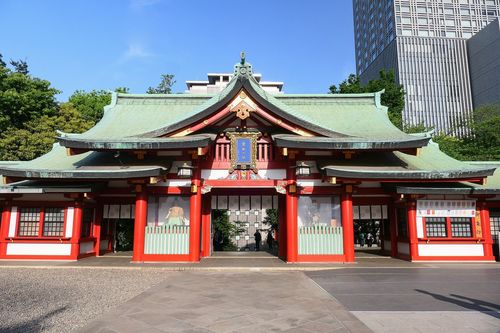
Hie Shrine
A shrine in Nagatacho, Chiyoda, Tokyo, also known as “Sanno-sama,” whose chief deity is Oyamakui no Kami. Its June Sanno Festival is counted among Edo's three great festivals, together with the Kanda and Fukagawa festivals.

Chiyoda-ku, TokyoHistory & Culture
Kanda Myojin Shrine
Kanda Myojin Shrine (officially Kanda Shrine) in Sotokanda, Chiyoda, Tokyo, is known as the guardian shrine of Edo. Its three deities are regarded as gods of matchmaking, business, and protection from misfortune.
Bunkyo-ku, TokyoHistory & Culture
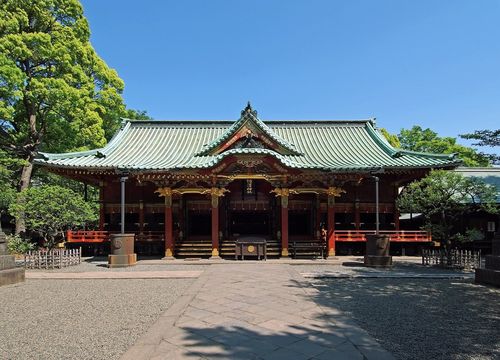
Nezu Shrine
Nezu Shrine is in Bunkyo Ward, Tokyo. Its Gongen-style main, offering and worship halls completed in 1706, plus its gates and fence, survive intact and are designated Important Cultural Properties.

Bunkyo City, TokyoHistory & Culture
Gokoku-ji Temple
Gokoku-ji is a head temple of the Shingon Buzan school in Otsuka, Bunkyo City, Tokyo. Founded by shogun Tokugawa Tsunayoshi, it has an Important Cultural Property main hall and the Gekkoden.
Minato City, TokyoHistory & Culture
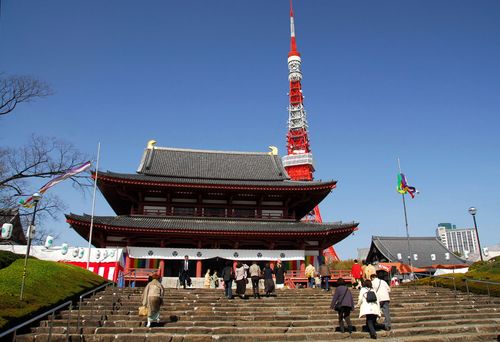
Zojo-ji Temple
Zojo-ji is a head temple of the Jodo sect in Shibakoen, Minato City, Tokyo. The family temple of the Tokugawa shoguns, it has an Important Cultural Property gate and a famous view of Tokyo Tower.
Minato City, TokyoHistory & Culture
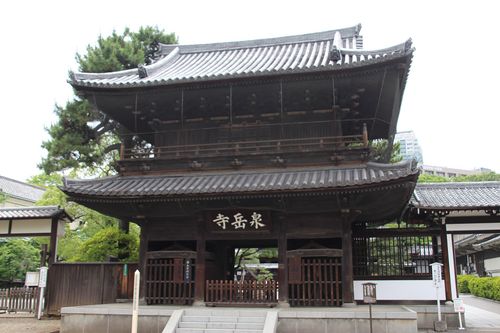
Sengakuji Temple
Sengakuji is a Soto Zen temple in Takanawa, Minato City, Tokyo, famous as the burial place of the Ako Gishi, the 47 loyal retainers. Their graves are a designated national historic site.
Chuo-ku, TokyoHistory & Culture
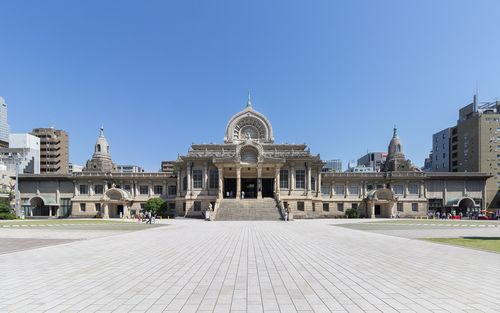
Tsukiji Hongwanji Temple
Tsukiji Hongwanji is a Jodo Shinshu Hongwanji-school temple in Tsukiji, Chuo Ward, Tokyo, directly administered by Nishi Hongwanji. Its main hall, designed by Ito Chuta in 1934 in an ancient Indian style, is an Important Cultural Property, and the temple is directly connected to Tsukiji Station.

Shibuya, TokyoHistory & Culture
Togo Shrine
Togo Shrine in Jingumae, Shibuya, Tokyo, enshrines Admiral Togo Heihachiro, who led the Combined Fleet in the Russo-Japanese War. Founded in 1940, it is known for its quiet grounds in the middle of the city, about a three-minute walk from Harajuku Station and close to Takeshita Street.

Bunkyo City, TokyoHistory & Culture
Yushima Tenmangu Shrine
Yushima Tenmangu, also called Yushima Tenjin, is a shrine in Bunkyo City, Tokyo, dedicated to Sugawara no Michizane, the god of learning. It has been known for its plum blossoms since the Edo period, and holds a plum festival from early February.
Ota, TokyoHistory & Culture
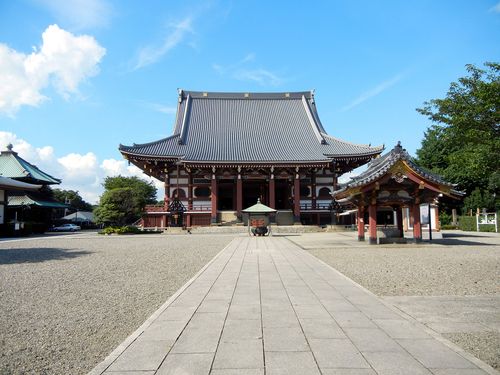
Ikegami Honmon-ji Temple
Ikegami Honmon-ji in Ota, Tokyo, is a head temple of the Nichiren sect, where Nichiren died in 1282. It is known for its five-storey pagoda and the annual Oeshiki festival each October.

Hachioji City, TokyoHistory & Culture
Hachioji Castle Ruins
One of Japan's 100 Famous Castles. A mountain castle built in the late Sengoku period by the Hojo clan, this nationally designated historic site retains rich remains such as stone walls, a restored hiki-bashi bridge, and the Palace site.
Katsushika, TokyoHistory & Culture
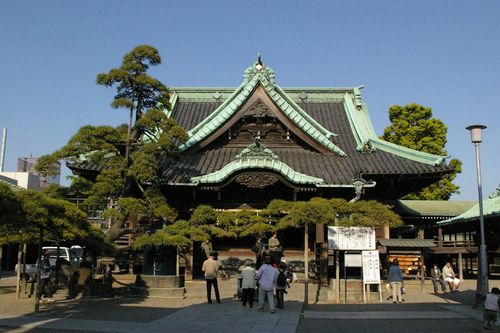
Shibamata Taishakuten
Shibamata Taishakuten, officially Daikyo-ji, is a Nichiren temple in Shibamata, Katsushika, Tokyo, known for the Koshin festival days, carvings on the Taishaku Hall and the film series Otoko wa Tsurai yo.
Minato, TokyoHistory & Culture
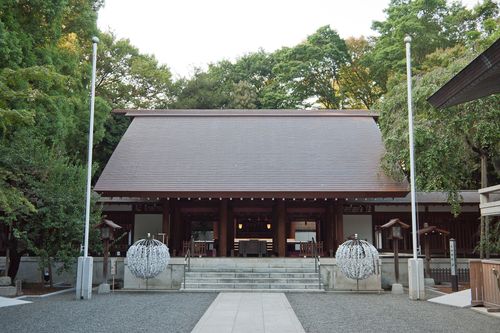
Nogi Shrine
Nogi Shrine in Akasaka, Tokyo, enshrines Army General Nogi Maresuke and his wife Shizuko. It stands at Nogizaka Station beside the former Nogi residence, where the couple lived.
Koto-ku, TokyoHistory & Culture
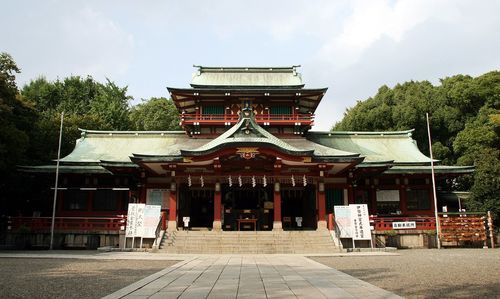
Tomioka Hachimangu Shrine
Tokyo's largest Hachiman shrine, affectionately known as "Fukagawa no Hachiman-sama." Also known as the birthplace of Edo Kanjin-zumo sumo, highlights include its magnificent portable shrines and the Yokozuna monument.
Fuchu, TokyoHistory & Culture
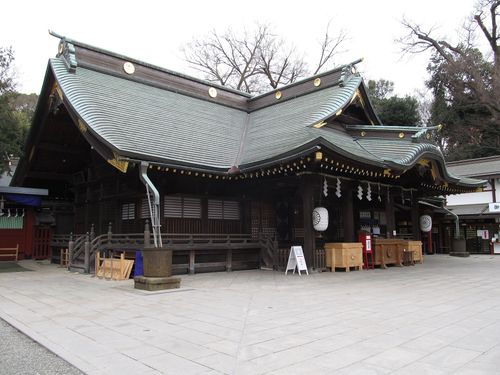
Okunitama Shrine
Okunitama Shrine in Fuchu, Tokyo, is the head shrine of old Musashi Province and one of the Five Shrines of Tokyo. Its zelkova approach is a national natural monument, and the Kurayami Festival is counted among Kanto's great odd festivals.
Sumida City, TokyoHistory & Culture
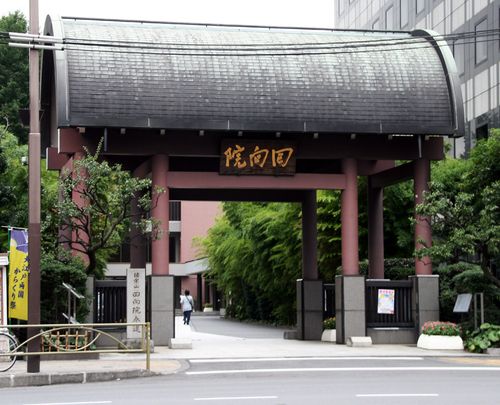
Ekoin Temple
Ekoin is a Jodo-sect temple in Ryogoku, Sumida City, Tokyo. It began as a mass grave for victims of the 1657 Meireki fire, and is known for the grave of Nezumi Kozo, its animal memorials, and the Mound of Strength recalling its sumo history.

Koto-ku, TokyoHistory & Culture
Kameido Tenjin Shrine
A Tenmangu shrine in Kameido, Koto Ward, Tokyo, dedicated to Sugawara no Michizane (Tenjin) and known as a god of learning. Its shrine buildings, bridges and pond were modeled on Dazaifu Tenmangu.
Minato-ku, TokyoHistory & Culture
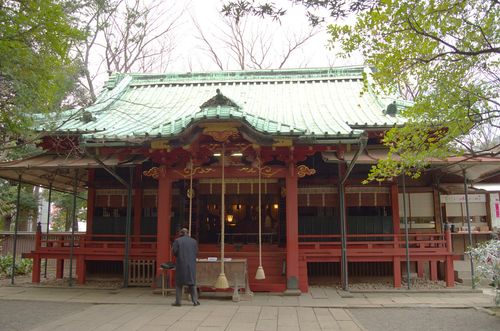
Akasaka Hikawa Shrine
Akasaka Hikawa Shrine is in 6-chome, Akasaka, Minato, Tokyo, said to have been founded in 951 and regarded as foremost of the Seven Hikawa Shrines of Edo. A great ginkgo tree with an estimated age of about 400 years stands in its grounds.
Ome, TokyoHistory & Culture
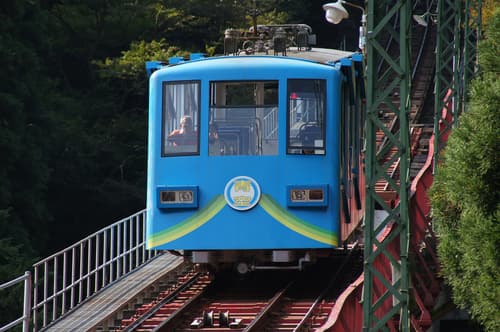
Mitake Tozan Railway (Mt. Mitake Cable Car)
The Mitake Tozan Railway is a cable car in Ome, Tokyo, linking Takimoto Station and Mitakesan Station. It climbs about 424 meters in roughly six minutes and is the gateway to Musashi Mitake Shrine, the shrine-lodging village and the Rock Garden.
Kita-ku, TokyoHistory & Culture
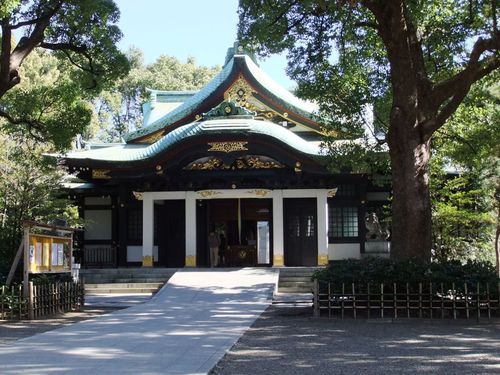
Oji Shrine
A shrine in Oji, Kita Ward, Tokyo, formerly called Oji Gongen, which gave the area its name. Its blessings are said to be good fortune and warding off misfortune, and the fulfillment of wishes for child-rearing.

Minato-ku, TokyoHistory & Culture
Shiba Daijingu Shrine
Shiba Daijingu Shrine is in Shibadaimon, Minato, Tokyo. Said to date from 1005, it enshrines the deities of both the Inner and Outer Shrines of Ise Jingu and is affectionately known as the Ise Shrine of the Kanto region.
Shinagawa-ku, TokyoHistory & Culture
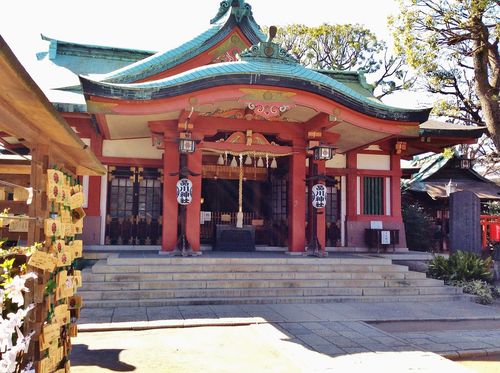
Shinagawa Shrine
Shinagawa Shrine is in Kitashinagawa, Shinagawa Ward, Tokyo, and is one of the Ten Shrines of Tokyo. Its stone torii gate at the entrance, called the "Soryu Torii" (Twin Dragon Torii), has a rising dragon and a descending dragon carved on its pillars.
Bunkyo City, TokyoHistory & Culture
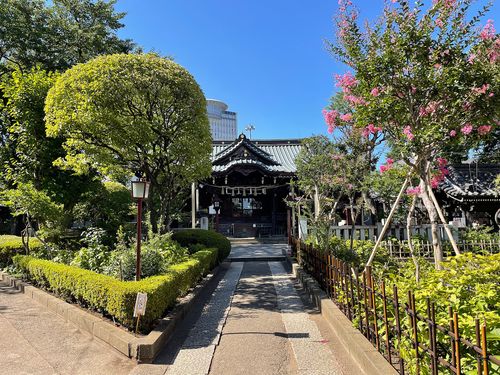
Hakusan Shrine
One of the "Tokyo Ten Shrines." A historic shrine famous for the "Bunkyo Hydrangea Festival," when about 3,000 hydrangea plants bloom in early summer.
MORE
More lists for Tokyo
Browse the other lists for the same prefecture.