CATEGORY — Osaka
History & Culture in Osaka
The 22 places in the "History & Culture" category that we feature in Osaka, sorted by how often they are viewed.
Most of them are in Osaka City (12), 堺市 (3).
SPOTS
Places in this list
Sorted by number of views
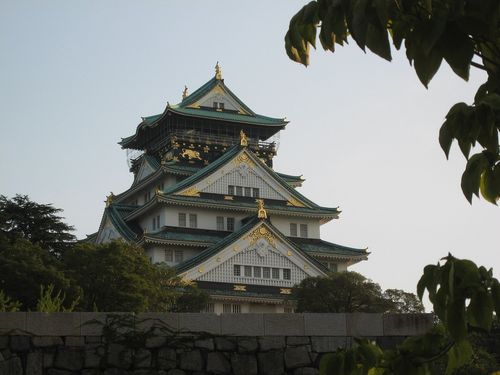
Chuo-ku, Osaka City, OsakaHistory & Culture
Osaka Castle
A castle site in Chuo Ward, Osaka, designated a Special Historic Site. Thirteen buildings, including turrets, gates and storehouses from the early to late Edo period, and the inner and outer moats survive.
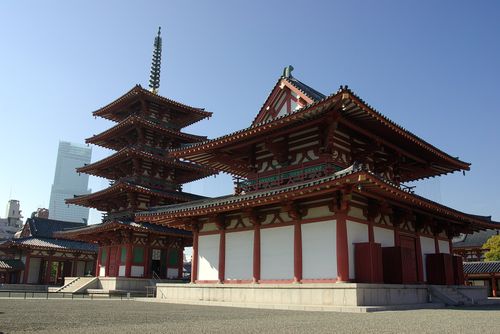
Osaka, OsakaHistory & Culture
Shitennoji Temple
Shitennoji is the head temple of the Wa school in Tennoji Ward, Osaka. Said to have been founded by Prince Shotoku, it is one of Japan's oldest full-scale Buddhist temples and is known for its straight-line layout of gate, pagoda and halls.
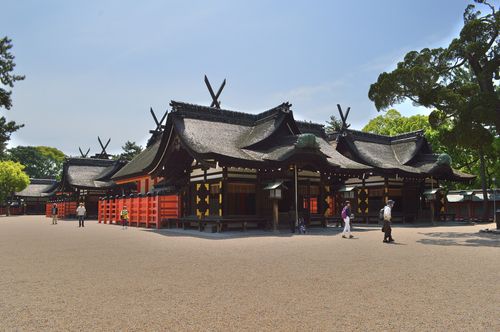
Osaka, OsakaHistory & Culture
Sumiyoshi Taisha
Sumiyoshi Taisha in Sumiyoshi Ward, Osaka, is the head shrine of all Sumiyoshi shrines in Japan. Its four National Treasure halls follow the ancient Sumiyoshi-zukuri style, and the red arched bridge is its symbol.
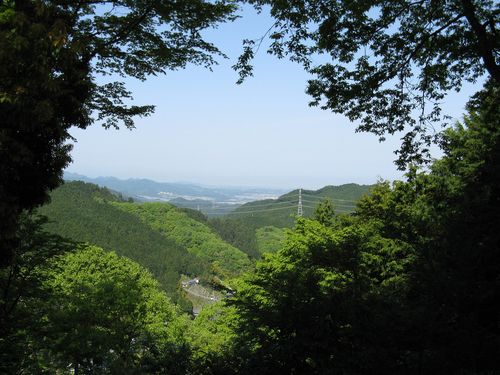
Chihayaakasaka Village, OsakaHistory & Culture
Chihaya Castle Ruins
A legendary mountain castle built by Kusunoki Masashige in the late Kamakura period that was famed for being impregnable. It is among Japan's Top 100 Castles, and Chihaya Shrine now stands on the site of the main enclosure.
Osaka, OsakaHistory & Culture
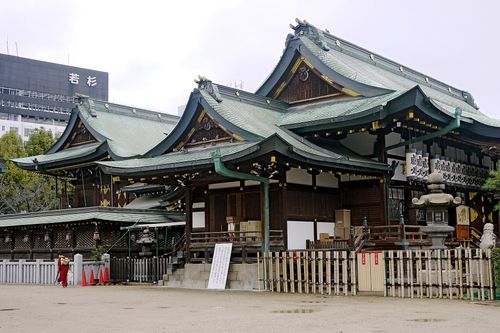
Osaka Tenmangu Shrine
Osaka Tenmangu in Kita Ward, Osaka, is a shrine dedicated to Sugawara no Michizane, lovingly called "Tenma no Tenjin-san," and the home of the Tenjin Festival, one of Japan's three great festivals.
Kawachinagano, OsakaHistory & Culture
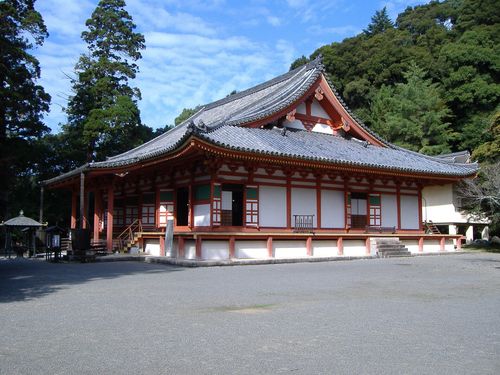
Kanshin-ji Temple
Kanshin-ji is an old Shingon temple in Kawachinagano, Osaka. Known for its National Treasure main hall and Nyoirin Kannon statue, it is linked to Kusunoki Masashige and famous for plum, cherry and autumn leaves.
Sakai, OsakaHistory & Culture
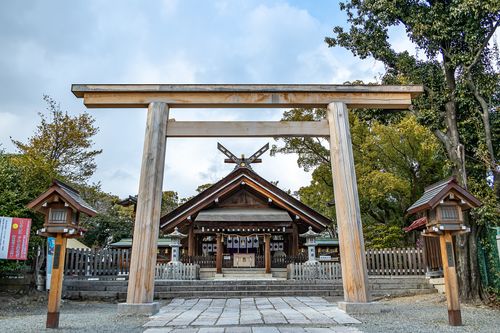
Otori Taisha
Otori Taisha in Nishi Ward, Sakai, Osaka is the Ichinomiya of Izumi Province, dedicated to Yamato Takeru, whose spirit is said to have descended here as a white swan. It is known for its main hall in the Otori-zukuri style, said to be the next oldest after the Izumo Taisha style, and for the Hanatsumi Festival in April.
Osaka, OsakaHistory & Culture
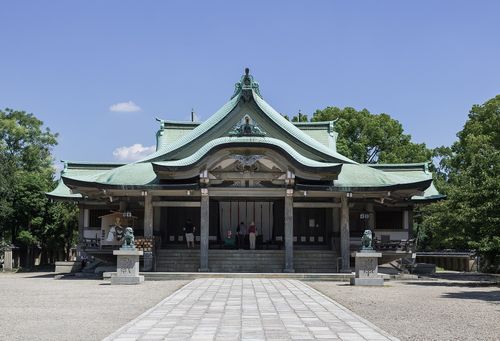
Hokoku Shrine (Osaka)
Hokoku Shrine stands in Osaka Castle Park in Chuo Ward, Osaka. It enshrines Toyotomi Hideyoshi together with Hideyori and Hidenaga, and is known for the Shusekitei garden by Shigemori Mirei and for charms for career success. It was moved to its present site within Osaka Castle in 1961.
Osaka, OsakaHistory & Culture
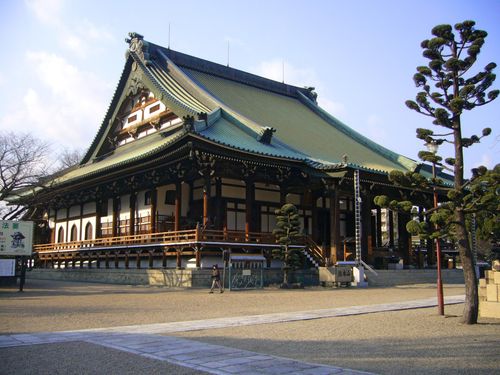
Dainenbutsuji Temple
Dainenbutsuji in Hirano Ward, Osaka, is the head temple of the Yuzu Nenbutsu sect. It is known for its zelkova main hall, said to be the largest wooden building in Osaka Prefecture, and the Manbu Oneri ceremony in May.
Sakai, OsakaHistory & Culture
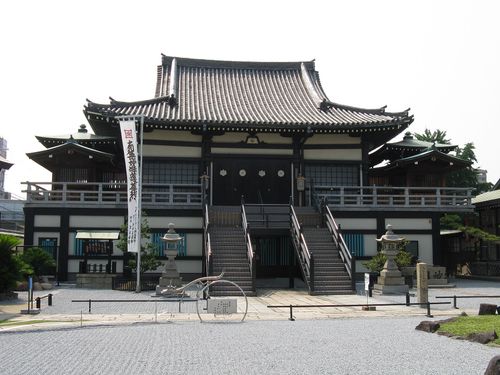
Myokoku-ji Temple
Myokoku-ji is a head temple of the Nichiren school in Sakai, Osaka. Founded in 1562, it is known for its giant sago palm, a national natural monument, and as the site of the Sakai Incident. It is about a 5-minute walk from Myokokumae tram stop on the Hankai Line.
Sakai, OsakaHistory & Culture
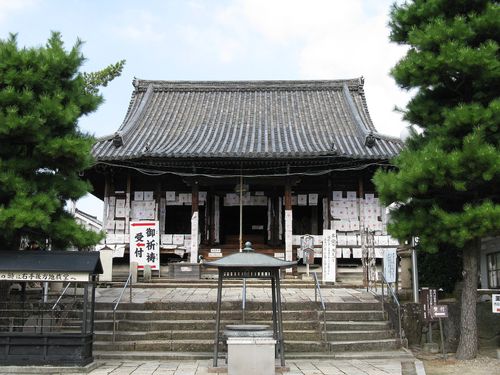
Ebara-ji Temple
Ebara-ji is a temple in Nishi Ward, Sakai, Osaka Prefecture. Said to be the birthplace of the Nara-period monk Gyoki, its main image of Monju Bosatsu is called the Wisdom Monju. Prayer handkerchiefs for exam success cover its main hall, earning it the name Handkerchief Temple.
Osaka, OsakaHistory & Culture
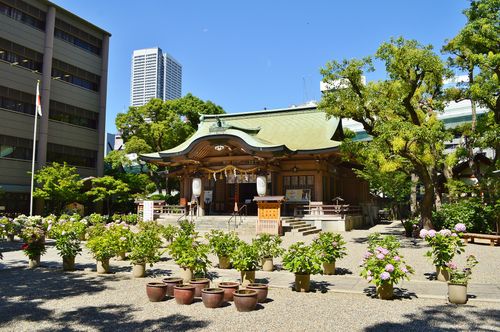
Ikasuri Shrine
Ikasuri Shrine is a shrine in the Semba district of Chuo Ward, Osaka. A Shikinai Taisha that styles itself the Ichinomiya of Settsu Province and is affectionately called Zama-san, it is revered for protecting homes, safe travel and easy childbirth, and is known for the pottery festival of its Togi Shrine.
Shimamoto, OsakaHistory & Culture
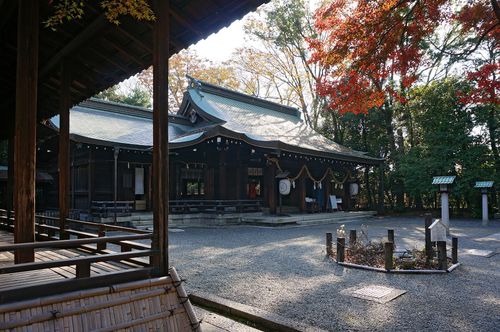
Minase Jingu Shrine
Minase Jingu is a Shinto shrine in Shimamoto, Osaka Prefecture. Built on the site of Retired Emperor Go-Toba's detached palace, it enshrines the Emperors Go-Toba, Tsuchimikado and Juntoku and is the only "Jingu" in Osaka, known for the Rikyu no Mizu spring and the Toshin-tei tea house.
Fujiidera, OsakaHistory & Culture
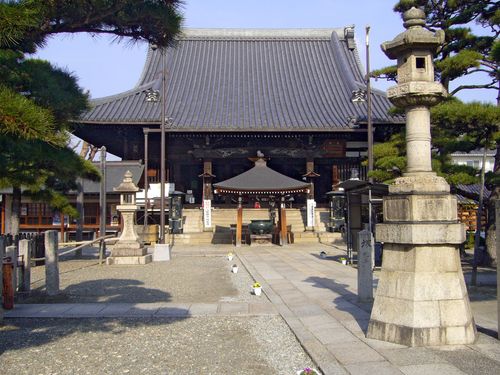
Fujii-dera Temple
Fujii-dera is a Shingon (Omuro school) temple in Fujiidera, Osaka, and the fifth temple of the Saigoku 33 Kannon pilgrimage. Its national treasure Dry-lacquer Seated Thousand-armed Kannon is said to be Japan's oldest, known for having more than a thousand arms.
Kaizuka, OsakaHistory & Culture
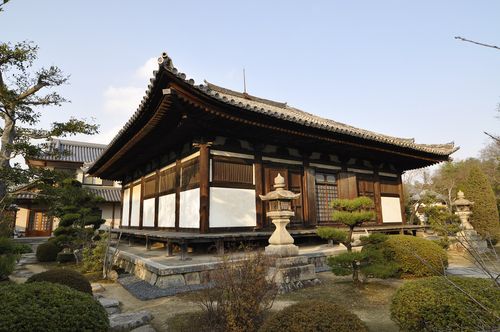
Koon-ji Temple (Kozumi's Nail-less Hall)
Koon-ji is a Jodo-school temple in Kozumi, Kaizuka, Osaka Prefecture. Its main hall, the Kannon-do, is a late Kamakura-period reconstruction and a National Treasure, the oldest wooden building in the prefecture, known as the Nail-less Hall. The temple also holds 19 Important Cultural Property designations, mostly Heian-period statues.
Izumi, OsakaHistory & Culture
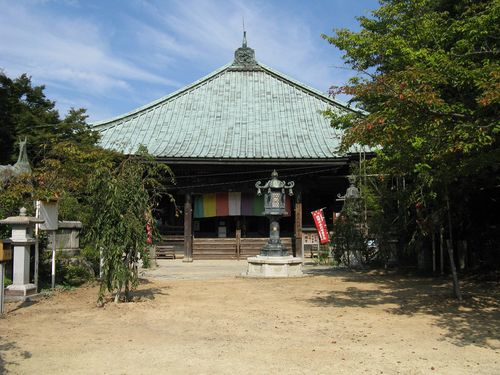
Sefuku-ji Temple
Sefuku-ji is a Tendai temple on the slopes of Mt. Makio in Izumi, Osaka, and the fourth temple of the Saigoku 33 Kannon pilgrimage. At the top of a steep approach are Japan's only horse-headed Kannon showing the soles of its feet, and a hall linked to Kukai.

Osaka, OsakaHistory & Culture
Namba Yasaka Shrine
Namba Yasaka Shrine in Motomachi, Naniwa Ward, Osaka, enshrines Susanoo-no-Mikoto. Worshiped for ages as the guardian deity of the Namba area, it is widely known for the Shishiden, a stage shaped like a lion's head with its mouth wide open.

Osaka, OsakaHistory & Culture
Nanba Shrine
Nanba Shrine is an ancient shrine in Bakuro-cho, Chuo Ward, Osaka, dedicated to Emperor Nintoku. It is also known for Bakuro Inari, once called the Inari of Bakuro-cho, the Iris Ritual in June, and its ties to puppet theater (bunraku).
Yao, OsakaHistory & Culture
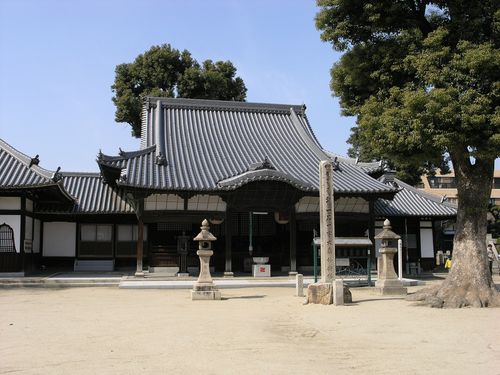
Joko-ji Temple
Joko-ji is a Rinzai-sect (Nanzenji school) temple in Honmachi, Yao, Osaka, whose main image is Jizo Bosatsu, known as Yao Jizo. The Nagashi-bushi Seicho Kawachi Ondo, regarded as the prototype of Kawachi Ondo, is handed down in its grounds, and it is called the birthplace of Kawachi Ondo.
Osaka, OsakaHistory & Culture
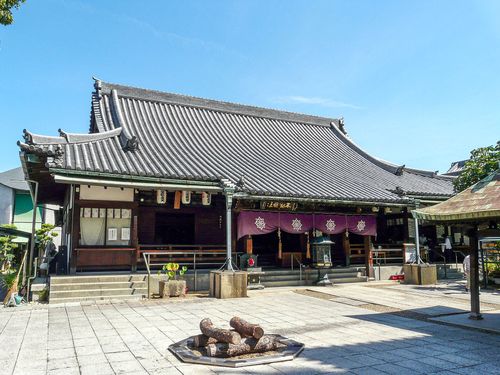
Horaku-ji
Horaku-ji in Higashisumiyoshi-ku, Osaka, is a head temple of the Shingon Sennyu-ji school. Known as "Tanabe no O-Fudo-san," it is said to have been founded by Taira no Shigemori, and is known for its monthly 28th-day fair and a camphor tree designated as a prefectural natural monument.
Osaka, OsakaHistory & Culture
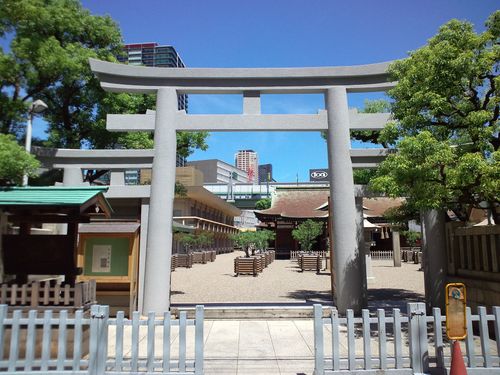
Imamiya Ebisu Shrine
Imamiya Ebisu Shrine in Naniwa Ward, Osaka, enshrines Kotoshironushi-no-Mikoto (Ebisu), revered as a god of business prosperity. Its Toka Ebisu festival on January 9-11, with crowds seeking lucky bamboo branches, is one of Osaka's signature New Year events.
Osaka City, OsakaHistory & Culture
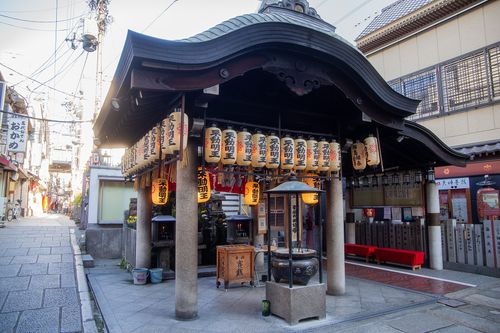
Hozenji Yokocho
A narrow alley in Namba, Chuo Ward, Osaka, running through the grounds of Hozenji, a Jodo-sect temple. It consists of two stone-paved lanes running east to west, about 80 meters long and about 3 meters wide.
MORE
More lists for Osaka
Browse the other lists for the same prefecture.
Osaka by category
- History & Culture22 places