ABOUT
About this spot
This gorge was cut through granite bedrock by the Tenryu River, once known as an unruly river. Great cliffs about 60 to 80 m high and strange rock formations line the river, and red pines and maples take root in the rock faces. It is part of Tenryu-Okumikawa Quasi-National Park and was designated a national Place of Scenic Beauty in 1934. Tenryukyo Onsen hot spring lies beside the gorge.
The gorge was named by Sakatani Roro, a Confucian scholar from Okayama, who visited the place in 1847. On a rise on the right bank stands a monument he wrote about Tenryukyo. In 1882 the calligrapher Kusakabe Meikaku, invited by the local Dutch-style doctor and literary man Sekijima Shosen, chose ten strange rocks and named them the Ten Views of Tenryukyo (Tenryukyo Jissho), carving each with an inscription in his own hand. They include Eboshi-seki, Yokukaku-gan and Fuyo-to, and there is the pleasure of following the carved characters while looking at the river and the shapes of the rocks.
In 1927, in the selection of the New Eight Views of Japan by the Tokyo Nichinichi Shimbun and others, the gorge came first in the reader vote for the gorge category with 3.13 million votes. Although it missed the final selection, it was chosen among the Twenty-five Scenic Places of Japan. Later, because the gorge is narrow and easily collects sediment, the riverbed rose and some of the Jissho were submerged or buried, but gravel extraction that began in 1984 has restored the scenery to some degree, so that the characters for Fuyo on Fuyo-to now appear above the water. In 2008 the Tenryukyo 100-Year Restoration Project was declared, and in November 2019 the Tenryukyo Bridge and the walkway under its girders, Sora Sanpo Tenryukyo, were opened.
There are many ways to enjoy it. The Tenryu River boat ride is a leading attraction of Iida, and was designated a folk cultural property of Iida City in 2016. A course of about 40 to 50 minutes one way (about 10 km) from Tenryukyo Port to Kasagi Port is well known, and from the boat you can look up at the Jissho. On foot, a walking path that takes about an hour to go around starts from Koyakyo Bridge in front of the station, and an observation deck on the way gives a view of the Jissho.
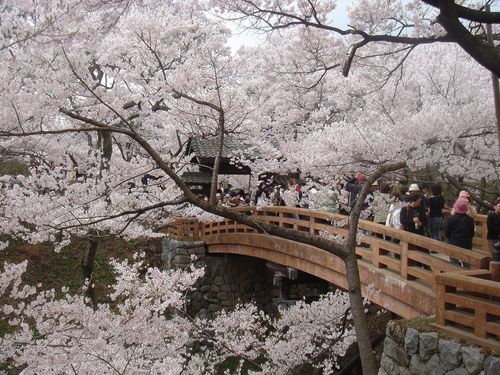
The seasonal scenery is also a highlight. In spring it is the earliest cherry blossom spot in Shinshu, with the best viewing usually in early April. In autumn it is the latest place in Shinshu for the leaves to color, with the best viewing usually from early to mid November. Summer brings greenery and white lilies, and winter brings snow scenes.
It is a short walk from Tenryukyo Station on the JR Iida Line, and by car Tenryukyo IC on the Sanen-Nanshin Expressway is close. A walk combined with a boat ride takes about half a day, so plan with time to spare. Tenryukyo Onsen is also right by the gorge, a place to stop after a walk or a boat ride.
Sources
This article was written from the official, municipal and tourism-association sources above, and checked against them separately from the writing. Editorial policy
Last updated November 15, 2026