SPOT

Funai Castle

A castle ruin in central Oita, now developed as Oita Castle Ruins Park. Two Edo-period turrets survive, and the site was named one of Japan's 100 Famous Castles in 2006.

OitaOita City

33.24°N 131.61°E

TRAVEL NOTES

Before you visit Funai Castle

How long does a visit to Funai Castle take?
Using the walking map available on site, a visit takes about 40 to 60 minutes.Source: Oita City official website
When is the best time to visit Funai Castle?
From late March to early April, the cherry blossoms are in full bloom and draw many visitors.Source: Oita City

Checked against official information on November 14, 2026. Please see the official website for the latest details.

ABOUT

About this spot

Funai Castle, also called Oita Castle, Hakuchi Castle and Niage Castle, stands in the center of Oita City. It was built facing the sea between the Oita and Sumiyoshi rivers, near their mouths, and many of its buildings were demolished in the early Meiji era. Today it is Oita Castle Ruins Park and was selected as one of Japan's Top 100 Castles in 2006.

Construction began in 1597, when Fukuhara Naotaka came from Usuki with a 120,000-koku domain after Hideyoshi's conquest of Kyushu. Naotaka soon lost his domain and the castle changed hands unfinished. Takenaka Shigetoshi, who entered later, carried out major renovation and brought the castle close to completion. He is regarded as the castle's completer, and one account says he brought in stonemasons of Kato Kiyomasa, builder of Kumamoto Castle. The Takenaka line ended after two generations; the Hineno and the Ogyu-Matsudaira followed, and from 1658 the Matsudaira family, relatives of the Tokugawa, held it until the Meiji Restoration.

Two Edo-period buildings survive, Hitojichi Yagura and Shumon Yagura, and both are designated prefectural historic sites.

The restored buildings are also worth seeing. The Otemon main gate burned in the 1945 Oita air raid and was restored, and the Corridor Bridge is also a restoration. Excavations have uncovered stone walls from the castle's early days.

The keep was lost in a great fire in 1743 and never rebuilt; only the keep base remains. Old maps show a four-story tiered form, but some studies suggest a watchtower type, so its form is debated.

Its white earthen walls and its look of floating on the water give it the name White Pheasant Castle, and walking around the stone walls and moat is a pleasure. The prefectural and city offices are nearby. Some areas may be closed for works, so check the city's information before you go. Travel guides also suggest pairing the castle with other Oita sights such as Beppu's hot springs.

Sources

  1. ja.wikipedia.org
  2. nippon.com

This article was written from the official, municipal and tourism-association sources above, and checked against them separately from the writing. Editorial policy

Last updated November 16, 2026
Share this spot

NEARBY

Nearby recommendations

More places worth visiting in the area.

Oita, Oita

Yusuhara Hachimangu Shrine

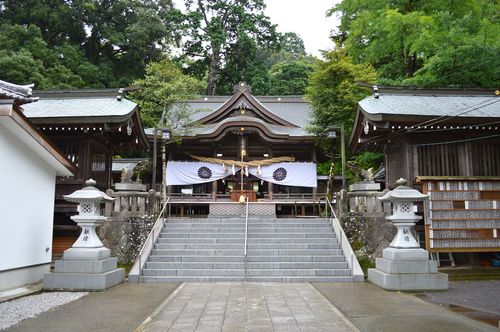
Yusuhara Hachimangu is a shrine at the foot of Mt. Futaba in Oita City, Oita Prefecture. The Ichinomiya of Bungo Province, it has ten buildings in Hachiman-zukuri style designated as Important Cultural Properties and is known for its great camphor tree, said to be 3,000 years old and a National Natural Monument.

Oita City, Oita

Oita Marine Palace Aquarium "Umitamago"

An aquarium on the Takasakiyama-shita coast in Oita, linked to the neighboring Takasakiyama Natural Zoo by a pedestrian overpass. Its central feature is the Great Migration Tank, and its largest tank is said to hold 1,250 tons.

Oita, Oita

Sasamuta Shrine

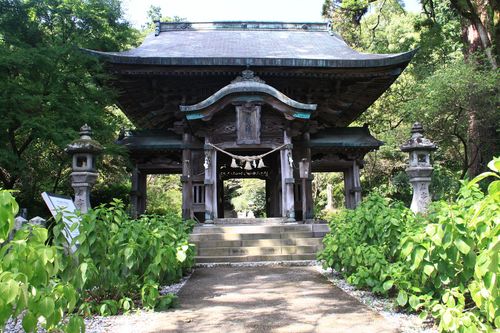
Sasamuta Shrine is an old shrine in the hills of Samuta, Oita City, Oita Prefecture. Regarded as the Ichinomiya of Bungo Province, it is the only Taisha shrine of Bungo listed in the Engishiki, and was formerly a national middle-rank shrine. It is also known for its old wisteria and the Edo-period stone Mannen Bridge.

Oita, Oita

Takasakiyama Natural Zoological Garden

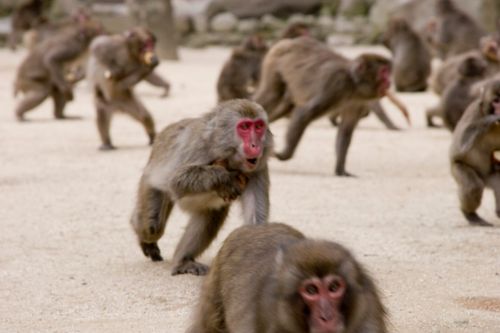
Takasakiyama Natural Zoological Garden is a monkey park at the foot of Mt. Takasaki in Oita, opened in 1953, where wild Japanese macaques of the B and C troops come down to be watched at close range.

Beppu, Oita

Beppu Tower

Beppu Tower is a 100 m tower in Kitahama, Beppu, Oita. Completed in 1957, its observation deck 55 m up offers 360-degree views of Beppu Bay and the city. Designed by Tachu Naito.

Beppu City, Oita

Beppu Onsen

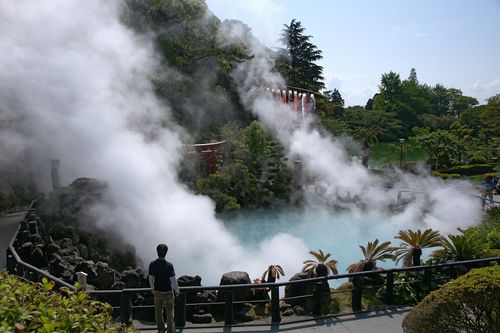
A collective name for the many hot springs scattered across Beppu, Oita. Eight main areas are known as the Beppu Hatto, and spring types, scenery and bathing styles differ from area to area.

AREA

Explore the area

More places in the same city, the same category, and close by.

MORE TO EXPLORE

More from Oita

Discover more of the same region on our sister sites.