ABOUT
About this spot
Naruko Onsen is a hot spring town in Osaki, Miyagi Prefecture, and the center of the Naruko Onsen area. Located within Kurikoma Quasi-National Park, it is counted among the Three Famous Hot Springs of Oshu together with Iizaka Onsen in Fukushima and Akiu Onsen in Miyagi. The Naruko area consists of five districts: Naruko, Higashi-Naruko, Kawatabi, Nakayamadaira and Onikobe, and it was designated a National Recreation Hot Spring Area in 2016. A rich variety of spring types is its hallmark, with seven of the ten spring types defined under the Hot Spring Act said to be found here.
The history is long: a record from 837 in the Shoku Nihon Koki notes hot water welling up, and the Engishiki of 927 lists Onsen Shrine. In 1632 the Yusa family opened a lodging for hot spring cure visitors, and in the later Edo period it became the busiest spa in the Sendai domain. A cure usually ran in units of seven days, with two or three units common, and many visitors were farmers who came in the off-season. The opening of Naruko Station in 1915 helped it develop as a modern spa town.
One highlight is Taki-no-yu, a public bath in the Yumoto district. It has a long history as the sacred bath of Onsen Shrine, with a cypress bathtub into which spring water pours from a wooden trough like a waterfall. Waseda Sajiki-yu in Araya was built using a spring that Waseda University students struck during drilling practice in 1948, and was rebuilt in 1998 to a design by Osamu Ishiyama. Availability of facilities can change, so check before visiting.
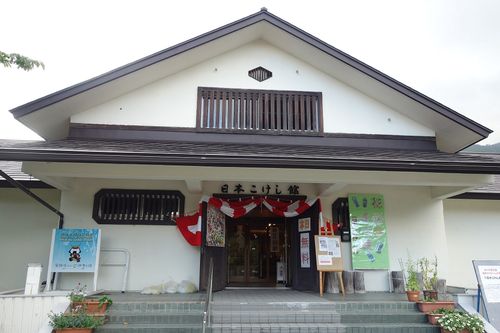
Naruko is also home to Naruko kokeshi dolls. The Naruko style, whose heads turn with a sound and whose bodies often bear chrysanthemum designs, is a leading folk craft of northern Miyagi, and the Japan Kokeshi Museum (opened 1975) shows its history and works.
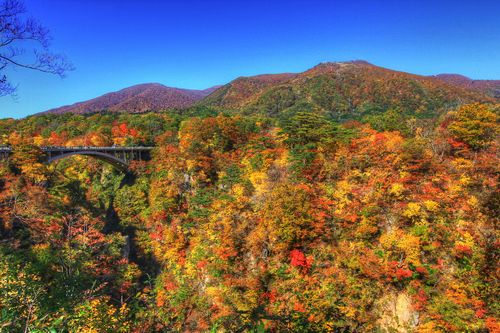
Naruko Gorge, carved by the Otani River, is a Miyagi-designated Place of Scenic Beauty, 80 to 100 meters deep and about 4 kilometers long. Its autumn leaves of hornbeam, oak and maple are among Miyagi's best, and on peak weekends there can be waits for parking. Rock formations such as Tateiwa and Shishiiwa are also highlights.
Autumn is especially recommended, and visiting early helps avoid crowds. A walk around the town and its public baths takes two to three hours, and half a day with the gorge. Katanuma Lake, Naruko Dam and the Shitomae barrier site lie nearby.
Sources
This article was written from the official, municipal and tourism-association sources above, and checked against them separately from the writing. Editorial policy
Last updated November 12, 2026