ABOUT
About this spot
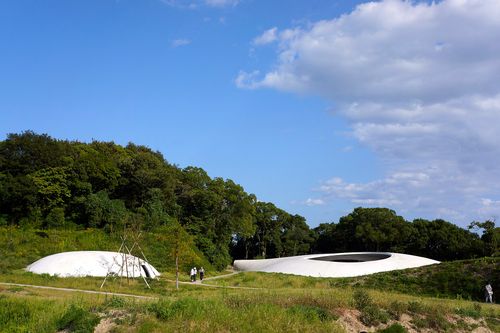
Chichu Art Museum is a museum on Naoshima in Kagawa Prefecture, which opened in July 2004. It is one of the facilities that make up Benesse Art Site Naoshima and is operated by the Fukutake Foundation. Under the theme of "a place to think about the relationship between nature and humans," its greatest feature is that most of the building is buried underground so as not to spoil the landscape of the Seto Inland Sea.
It was designed by Tadao Ando. Using the main materials of Ando's architecture, concrete, steel, glass and wood, the design is pared down to the extreme. The whole structure is built underground, yet natural light enters the building, and the way the works look changes with the time of day, season and weather. The official site explains that it is a space made by artists and an architect exchanging ideas with each other, and that the whole building is a site-specific work made for its place. The architecture also received the 48th BCS Prize in 2007.
The works on display are by three artists: Claude Monet, James Turrell and Walter De Maria. In the Monet Room, five works from the late "Water Lilies" series by Monet, a leading Impressionist, are viewed in natural light alone. The size, design and materials of the room were chosen so that the paintings and the space become one, and white marble is used on the floor.
James Turrell is an artist who presents light itself as a work. Here you can experience three works in chronological order: "Afrum, Pale Blue" (1968), "Open Field" (2000) and "Open Sky" (2004). Walter De Maria's "Time/Timeless/No Time" (2004) consists of a sphere 2.2 meters in diameter and 27 gold-leafed wooden sculptures, viewed only by natural light from the ceiling, so the lighting changes greatly with the time of day.
Outside the building is the "Chichu Garden." Based on plants that Monet is said to have planted in his garden at Giverny, it is composed of about 200 kinds of flowers and trees, and you can feel the changing seasons through water lilies, willows, irises and more.
Chichu Art Museum operates on a timed reservation system. Because it is very popular, we recommend checking the ticket information on the official website and making a reservation before you visit. From places on the island such as Miyanoura Port, you go by bus or similar transport.
Sources
This article was written from the official, municipal and tourism-association sources above, and checked against them separately from the writing. Editorial policy
Last updated October 29, 2026