CATEGORY — Ibaraki
History & Culture in Ibaraki
The 10 places in the "History & Culture" category that we feature in Ibaraki, sorted by how often they are viewed.
Most of them are in Mito City (2), Tsukuba City (2).
SPOTS
Places in this list
Sorted by number of views
Ushiku City, IbarakiHistory & Culture
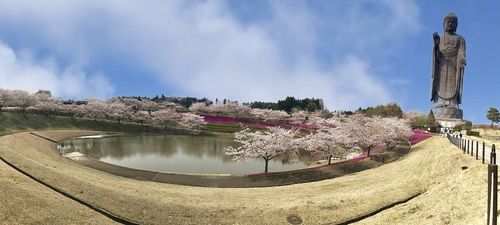
Ushiku Daibutsu
Ushiku Daibutsu is a bronze standing statue of Amida Nyorai in Ushiku, Ibaraki, with a total height of 120 m. It is regarded as the world's largest bronze standing statue and is registered in Guinness World Records.
Kashima City, IbarakiHistory & Culture
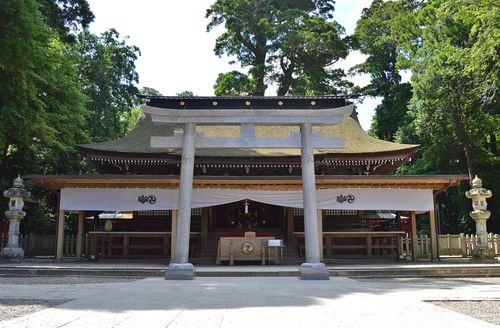
Kashima Jingu Shrine
Kashima Jingu Shrine is in Miyanaka, Kashima, Ibaraki. The Ichinomiya of Hitachi Province, it enshrines Takemikazuchi no Okami and is regarded as the head shrine of all Kashima shrines and one of the Three Shrines of Togoku.
Mito City, IbarakiHistory & Culture
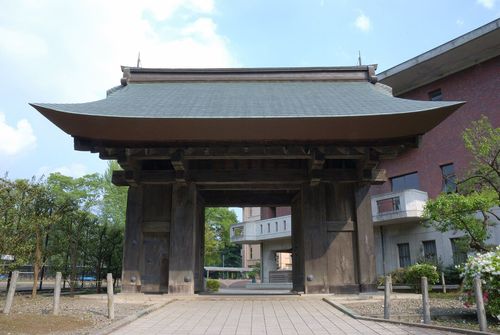
Mito Castle
The site of Mito Castle in Ibaraki, home of the Mito Tokugawa family, showing a layout of earthworks and dry moats. Schools stand on the grounds, along with the Kodokan school and a reconstructed Otemon gate.
Kasama City, IbarakiHistory & Culture
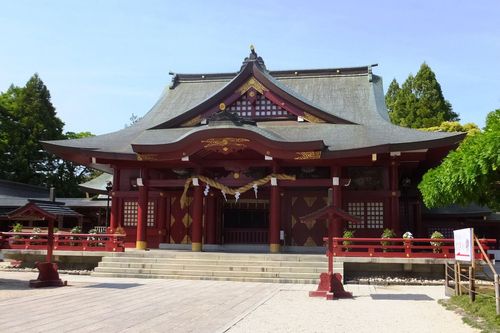
Kasama Inari Shrine
A venerable shrine with more than 1,300 years of history, counted among Japan's Three Great Inari Shrines. Known as a god of bountiful harvests and business prosperity, it draws more than 3.5 million worshippers a year.

Mito City, IbarakiHistory & Culture
Kodokan
One of Japan's largest feudal domain schools, founded by Tokugawa Nariaki, the 9th lord of the Mito Domain. Its imposing architecture, steeped in history, and beautiful plum blossoms that color early spring are its draws.
Tsukuba, IbarakiHistory & Culture
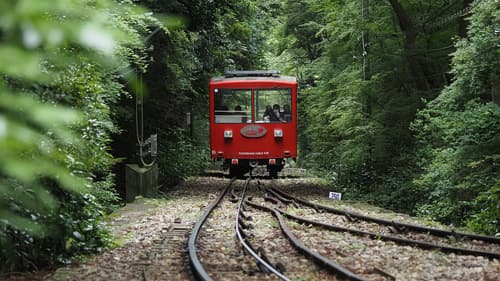
Mount Tsukuba Cable Car
The Mount Tsukuba Cable Car in Tsukuba, Ibaraki, runs between Miyawaki station by Tsukuba Shrine and the summit station, with the green Wakaba and red Momiji cars passing on the slope.
Oarai Town, IbarakiHistory & Culture
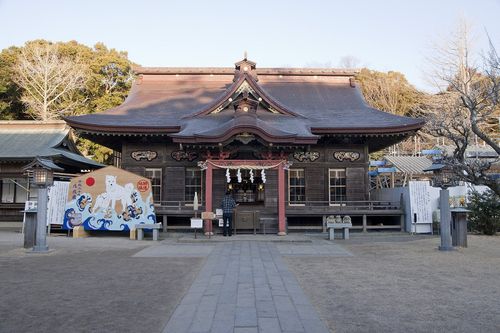
Oarai Isosaki Shrine
Oarai Isosaki Shrine stands on a hill overlooking the sea in Oarai, Ibaraki. The Kamiiso torii, built on the rock where the deity is said to have descended, symbolizes the view.
Sakuragawa, IbarakiHistory & Culture
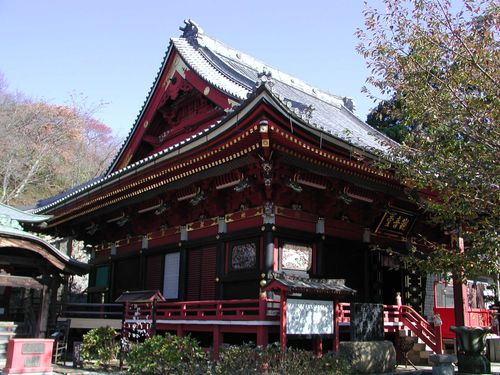
Rakuho-ji Temple (Amabiki Kannon)
Rakuho-ji is a Shingon Buzan-sect temple in Sakuragawa, Ibaraki, widely known as Amabiki Kannon. It is Temple No. 24 of the Bando 33 Kannon Pilgrimage, famed for safe-childbirth and child-rearing prayers and for its cherry blossoms and hydrangeas.
Tsukuba, IbarakiHistory & Culture
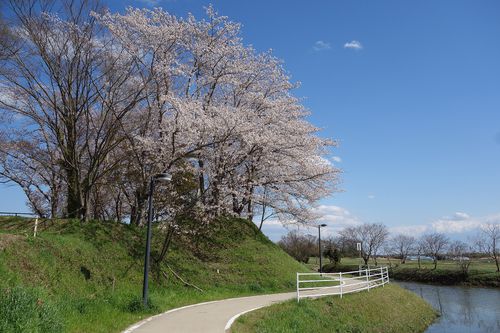
Oda Castle Ruins
The Oda Castle ruins in Tsukuba, Ibaraki, are a nationally designated historic site. The castle was the seat of the Oda clan of Hitachi, and during the Northern and Southern Courts period Kitabatake Chikafusa entered it and wrote the Jinno Shotoki. It is now open as a history plaza.
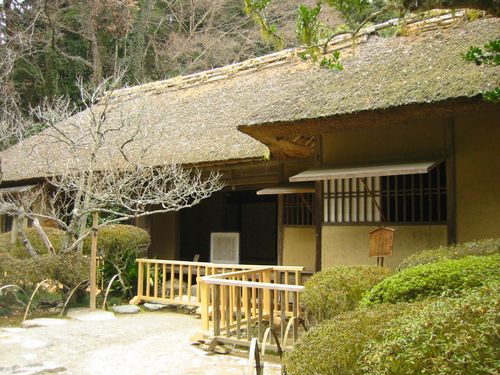
Hitachiota, IbarakiHistory & Culture
Seizanso (Nishiyama-so)
Seizanso is the site of the retirement residence of Tokugawa Mitsukuni, the second lord of the Mito domain, in Hitachiota, Ibaraki. A plain thatched hall and garden remain, designated a national historic site and place of scenic beauty, where he revised the Dai Nihonshi.
MORE
More lists for Ibaraki
Browse the other lists for the same prefecture.
Ibaraki by category
- History & Culture10 places
- Nature & Scenic Views5 places