CATEGORY — Tokushima
History & Culture in Tokushima
The 18 places in the "History & Culture" category that we feature in Tokushima, sorted by how often they are viewed.
Most of them are in Tokushima City (4), 阿波市 (4), 板野町 (3).
SPOTS
Places in this list
Sorted by number of views
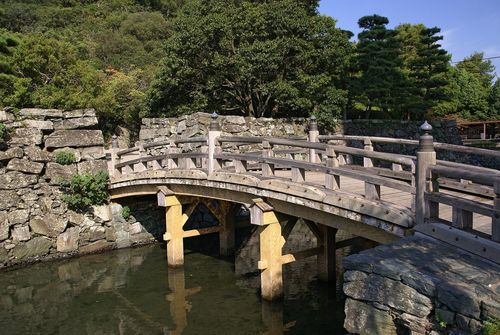
Tokushima City, TokushimaHistory & Culture
Tokushima Castle Ruins
The ruins of the residence of the Hachisuka clan, lords of Tokushima. Highlights abound, including the nationally designated Place of Scenic Beauty "Former Tokushima Castle Omote-goten Garden," a museum where you can learn about history, and beautiful stone walls.
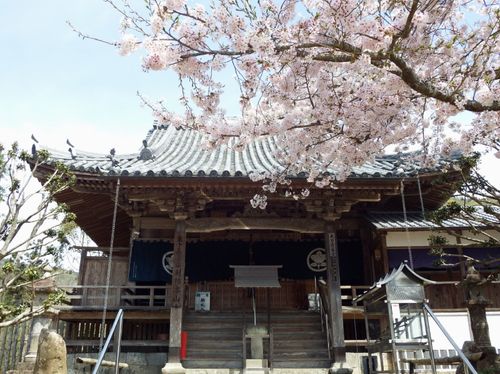
Itano, TokushimaHistory & Culture
Dainichi-ji Temple (Itano)
Dainichi-ji is Temple No. 4 of the Shikoku 88-Temple Pilgrimage, set in the mountains of Itano, Tokushima, and said to have been founded by Kukai, with a corridor of 33 Kannon statues.
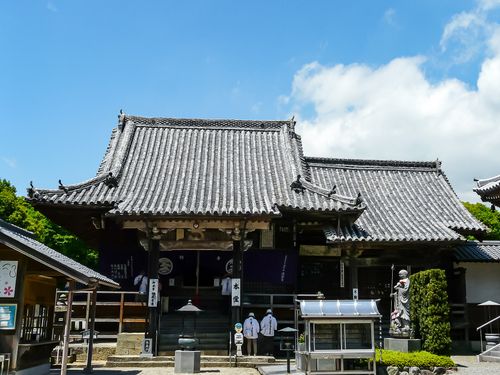
Itano, TokushimaHistory & Culture
Jizo-ji Temple (Itano)
Jizo-ji is Temple 5 of the Shikoku 88 Temple Pilgrimage, a Shingon Omuro-school temple in Itano, Tokushima. It is known for its life-size statues of the 500 Arhats and a giant ginkgo tree.
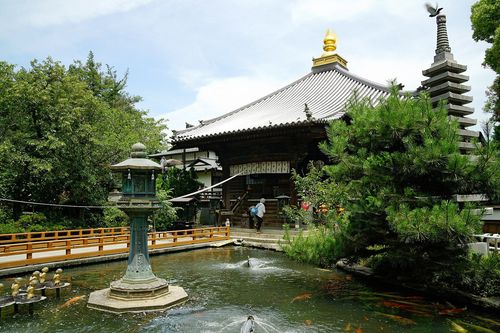
Naruto City, TokushimaHistory & Culture
Ryozen-ji Temple
Ryozen-ji Temple is a Koyasan Shingon temple in Naruto, Tokushima, and Temple No. 1 of the Shikoku 88 Temple Pilgrimage. Known affectionately as “Ichiban-san,” it is the starting point for pilgrims.
Awa, Tokushima, TokushimaHistory & Culture
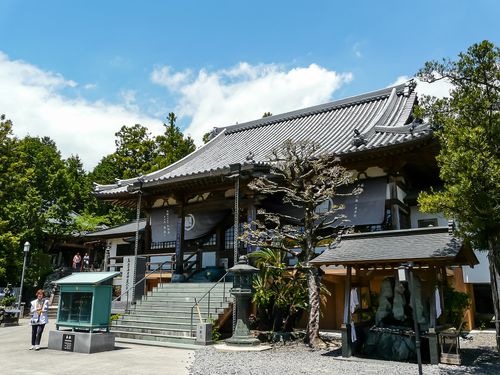
Juraku-ji Temple
Juraku-ji is a Koyasan Shingon-sect temple in Tonase, Awa City, Tokushima, and Temple No. 7 of the Shikoku 88-temple pilgrimage. Its principal image is Amida Nyorai, and it is known for its Aizen Myoo gate.
Kamiita, TokushimaHistory & Culture
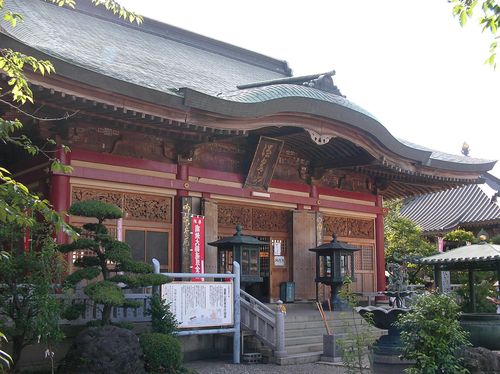
Anraku-ji Temple
Anraku-ji is a Koyasan Shingon temple in Kamiita, Tokushima, the 6th temple of the Shikoku 88 pilgrimage, known for its temple lodging and hot-spring name.

Awa, TokushimaHistory & Culture
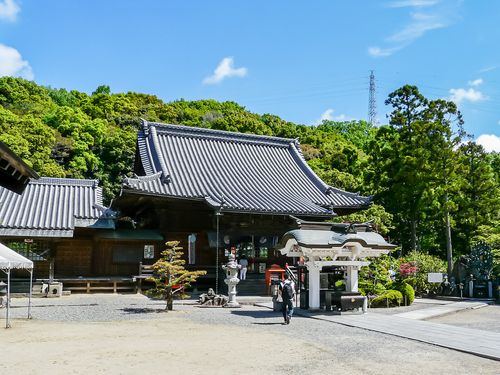
Horin-ji Temple (Awa)
Horin-ji is a Koyasan Shingon temple in Tonari, Awa City, Tokushima, and Temple 9 of the Shikoku 88 Temple Pilgrimage. Tradition credits Kukai with its founding, and locals call it "Tanaka no Horin-san" for its rice-field setting.
Itano, TokushimaHistory & Culture
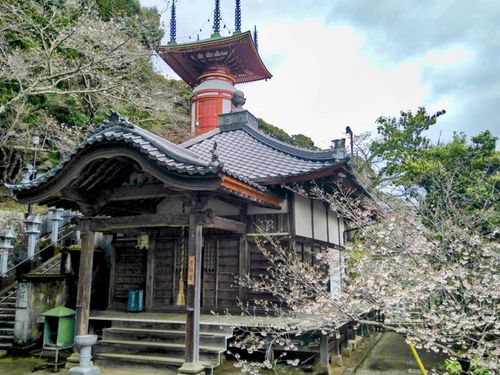
Konsen-ji Temple
Konsen-ji is a Koyasan Shingon Buddhist temple in Itano, Tokushima, and Temple 3 of the Shikoku 88 Temple Pilgrimage. It is known for the Golden Well said to have been dug by Kobo Daishi, and stands about 0.7 km from Itano Station on the JR Kotoku Line.
Minami Town, TokushimaHistory & Culture
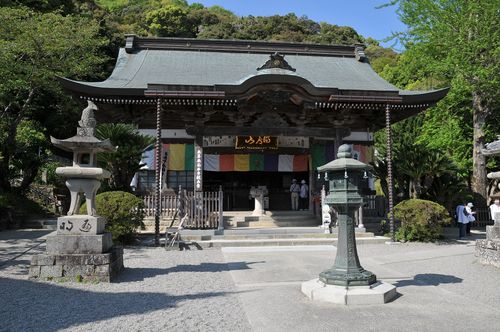
Yakuo-ji Temple
A Koyasan Shingon-sect temple in Minami, southern Tokushima, and No. 23 of the Shikoku 88 Temple pilgrimage. Known nationwide as the "temple that wards off misfortune" thanks to its principal image.
Awa, TokushimaHistory & Culture
Kirihata-ji Temple
Kirihata-ji in Awa, Tokushima, is Temple 10 of the Shikoku 88-temple pilgrimage. Its main hall stands atop more than 300 stone steps, beside a pagoda designated an Important Cultural Property and a legend about a weaver girl.

Anan, TokushimaHistory & Culture
Byodo-ji Temple (Anan)
Byodo-ji is a Koyasan Shingon-sect temple in Shinno-cho, Anan, Tokushima. Temple No. 22 of the Shikoku 88-Temple Pilgrimage, it enshrines Yakushi Nyorai and is known for its Hakusui spring tied to Kobo Daishi and for an old section of the Awa pilgrim road.
Awa, TokushimaHistory & Culture
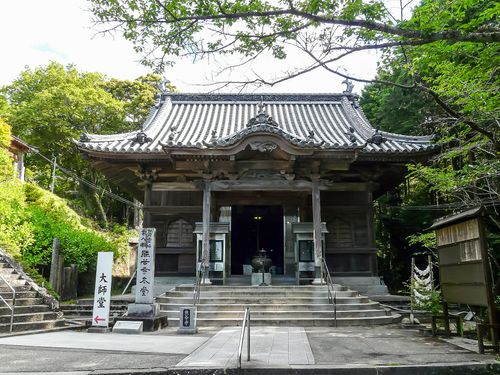
Kumadani-ji Temple
Kumadani-ji in Tonari-cho, Awa, Tokushima, is Temple 8 of the Shikoku 88-temple pilgrimage. It has one of the largest two-story gates on the route, a prefecturally designated pagoda and Daishi Hall, and famous Hachisuka cherry trees.
Komatsushima, TokushimaHistory & Culture
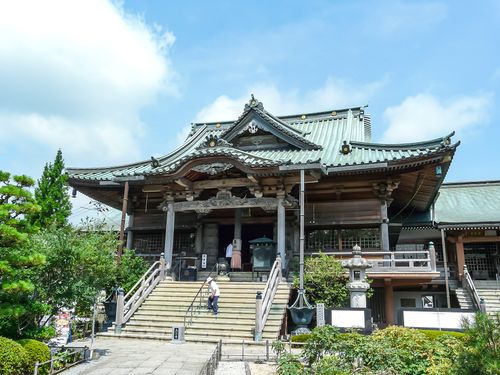
Tatsue-ji Temple
Tatsue-ji is a special head temple of Koyasan Shingon in Komatsushima, Tokushima. Temple 19 of the Shikoku 88 Temple Pilgrimage, enshrining Enmei Jizo, it is called the 'Great Barrier of Shikoku' and is known for the legend of Okyo's black-hair hall.
Tokushima, TokushimaHistory & Culture
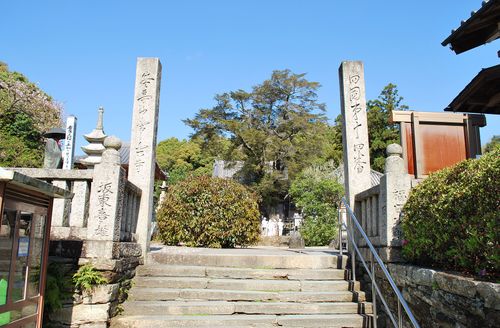
Joraku-ji Temple (Tokushima)
Joraku-ji is a Koyasan Shingon-sect temple in Kokufu-cho, Tokushima. It is Temple 14 of the Shikoku 88 Temple pilgrimage, the only one enshrining Maitreya as its principal image, and is known for its "Ryusuigan" garden of exposed bedrock.

Tokushima City, TokushimaHistory & Culture
Awa Odori Kaikan
A cultural facility where you can enjoy Tokushima's world-renowned traditional performing art, "Awa Odori," all year round. A tourist hub with powerful dance performances and hands-on experiences, historical exhibits, and a ropeway up Mt. Bizan.

Miyoshi City, TokushimaHistory & Culture
Iya Vine Bridge
One of Japan's Three Strange Bridges. A thrilling suspension bridge woven from shirakuchi-kazura vines.
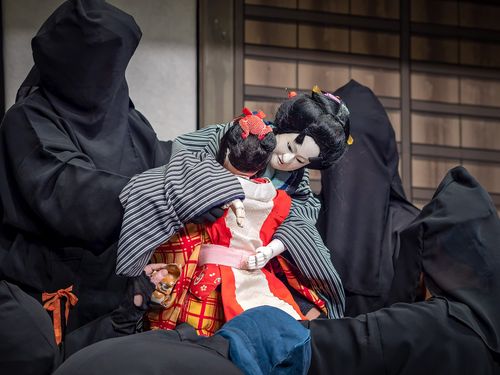
Tokushima City, TokushimaHistory & Culture
Awa Jurobei Yashiki
Daily performances of Tokushima's traditional performing art, "Awa Ningyo Joruri" puppet theater. At the former residence of Bando Jurobei, experience a moving tale of a mother and child's tragic love and delicate puppet manipulation.
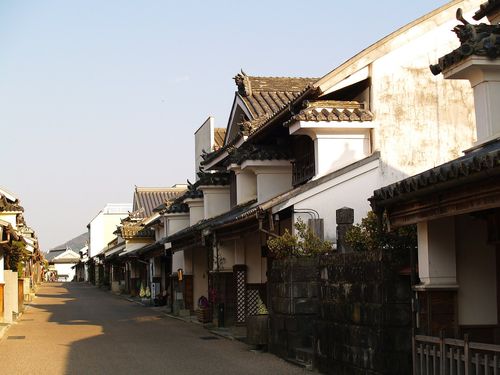
Mima City, TokushimaHistory & Culture
Wakimachi Udatsu Townscape
A landscape lined with merchant houses topped with "udatsu," the symbol of wealth that tells of Edo- to Meiji-period prosperity. It is designated a Preservation District for Groups of Traditional Buildings of national importance.
MORE
More lists for Tokushima
Browse the other lists for the same prefecture.
Tokushima by category
- History & Culture18 places
- Nature & Scenic Views7 places