ABOUT
About this spot
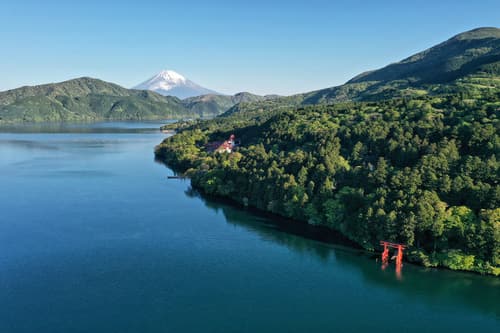
The Hakone Pirate Ships are sightseeing boats that cruise Lake Ashinoko in Hakone, Kanagawa. They link three ports, Togendai, Hakone-machi and Motohakone, in a circular route, and are now operated by Odakyu Hakone. As the name suggests, the ships are built to look like sailing and pirate ships, and their colorful forms floating on the lake have become a symbol of Hakone.
The service dates back to 1950, when it began under the name Hakone Kanko-sen. The first pirate ship, the Pioneer, appeared in 1964, modeled on a French ship of the 1630s. Later generations followed, with the Victory entering service in 2007, the Royal II in 2013 and the Queen Ashinoko in 2019. Today three ships are in service: the Victory (capacity 500), the Royal II (565) and the Queen Ashinoko (541), with special cabins for 91, 111 and 87 passengers respectively. Each hull is built at a shipyard by the sea, carried to the lake in blocks and assembled at the Togendai shipyard, an effort unique to a lake route.
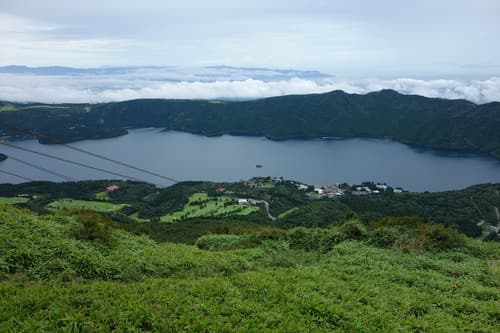
The ships themselves are part of the fun. Inside there are 3D art and pirate-themed objects that delight both children and adults, and a special cabin offers a quieter, more comfortable space away from the crowds. On deck you can look out over the mountains and the shoreline of Hakone, enjoying Lake Ashinoko from an angle you cannot get from land.
The crossing from Togendai to Hakone-machi or Motohakone takes about 25 to 40 minutes. The ships are berthed at Hakone-machi Port, and the morning runs often begin there. Services and schedules vary by port and season, so please check operating status on the official website before planning.
The best time is a clear daytime when the air is crisp and the ridgelines stand out. In the fresh green or autumn color season, the forests along the shore make the cruise even more vivid.
By choosing different ports to board and leave, you can also ride one way instead of making a round trip. Combining the boat with local buses, you can plan a half-day or full-day circuit around Lake Ashinoko.
Sources
This article was written from the official, municipal and tourism-association sources above, and checked against them separately from the writing. Editorial policy
Last updated November 21, 2026