ABOUT
About this spot
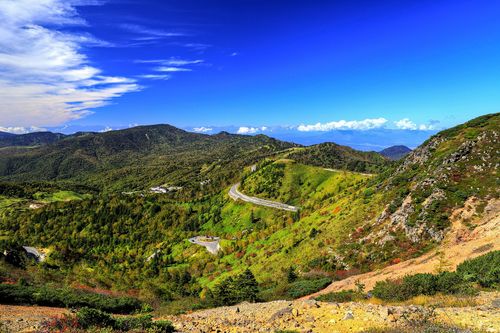
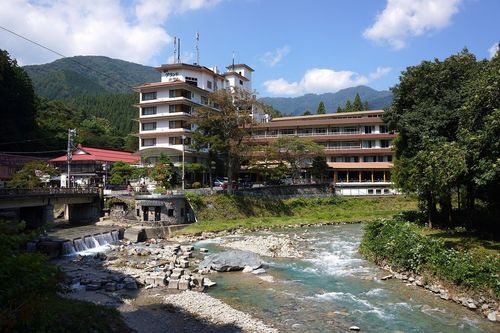
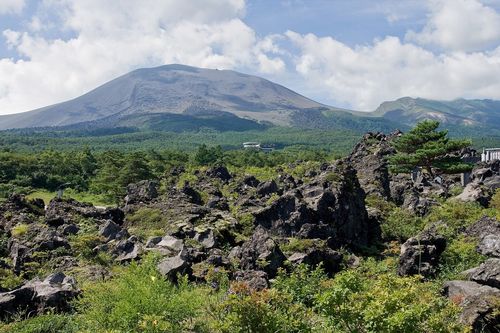
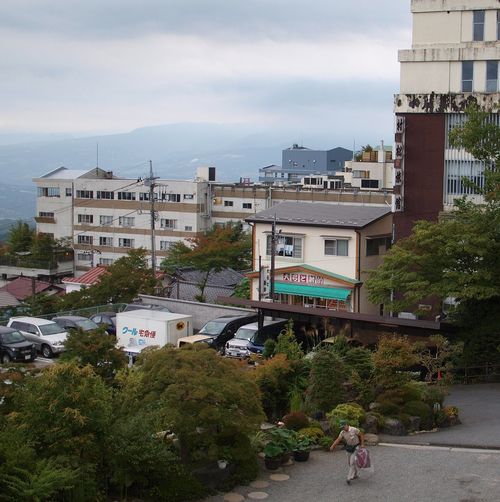
Kusatsu Onsen, in Kusatsu Town, Agatsuma District, Gunma Prefecture, is a leading hot-spring resort of Japan on a plateau at about 1,100 to 1,200 meters on the eastern foot of Mt. Kusatsu-Shirane. Together with Gero Onsen and Arima Onsen it is counted among Japan's 'Three Famous Springs.' Its greatest features are a spring flow said to be the largest in Japan and strongly acidic water. The natural flow is over 32,300 liters per minute, and the Yubatake source has a pH of 2.1, which makes it strongly acidic and said to be highly disinfecting. Because the supply is abundant, inns and facilities can offer 'kakenagashi' baths fed directly by the source.
At the center of the town stands its symbol, Yubatake. As much as 4,000 liters of hot water per minute gush out, sending up steam. Souvenir shops and restaurants surround it, and the Yukemuri-tei foot bath is right beside it. Netsu-no-Yu, an old public bathhouse that has served for more than 50 years as the venue for a show of yumomi (hot-water stirring) and dance, lets you watch Kusatsu's famous yumomi as a show.
A short walk away is Nishi-no-Kawara Park. Hot water wells up all around and flows as a steaming stream, a place where you feel the power of the spring directly. It was once called the 'Oni no Sensui' (demons' spring), where demons were said to live and loud voices were forbidden, and names such as 'Oni's Teakettle' and 'Oni's Sumo Ring' remain. It is lit at night and shows a different scene from daytime.
As for history, legends say it was discovered by Yamato Takeru, Gyoki and Minamoto no Yoritomo, but contemporary records are said not to support this. Banri Shukyu in the Muromachi period and Hayashi Razan in the Edo period named it one of the three famous springs along with Arima and Gero, and in an 1817 hot-spring ranking it was placed at the top rank, ozeki of the east. The saying that it 'cures everything except lovesickness' is also famous. In the Meiji era it was known as a place of therapeutic bathing for Hansen's disease and skin diseases, and after the war it developed as a tourist destination.
By train, take a bus of about 30 minutes from Naganohara-Kusatsuguchi Station on the JR Agatsuma Line; highway buses also run from Tokyo and elsewhere. Depending on the volcanic situation of Mt. Kusatsu-Shirane, restrictions may apply to nearby climbing and roads, so check the latest information with the Kusatsu Onsen tourism association before you go.
Sources
This article was written from the official, municipal and tourism-association sources above, and checked against them separately from the writing. Editorial policy
Last updated October 29, 2026