ABOUT
About this spot
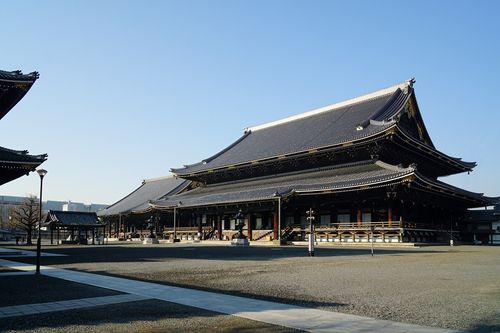
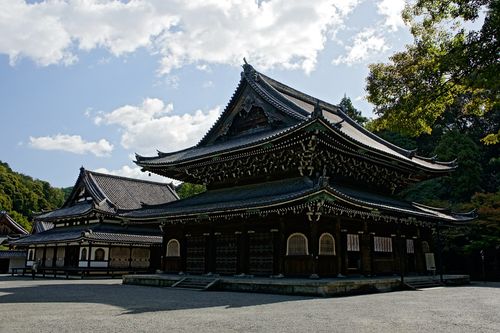
Sanjusangendo is the main hall of Rengeo-in, a Tendai temple in Higashiyama Ward, Kyoto. It belongs to Myohoin, and its principal image is the Thousand-Armed Kannon. The name "thirty-three ken" comes from the thirty-three bays between the pillars of the inner sanctuary. The long hall stretching north to south is regarded as a leading example of Kamakura-period Japanese-style architecture and is designated a National Treasure.
The temple was founded in 1164 at the wish of Retired Emperor Go-Shirakawa, within the grounds of his residence, Hojuji-dono. Taira no Kiyomori is said to have worked hard on its construction. The hall burned in a fire in 1249 and was rebuilt in 1266, and the present hall dates from then. It was later included in the precincts of Hoko-ji and later came under Myohoin.
The main attraction inside is the host of Kannon statues. The seated Thousand-Armed Kannon at the center is attributed to the sculptor Tankei and is a National Treasure. On both sides stand 1,001 standing Thousand-Armed Kannon statues, said to be by Tankei's family and disciples and designated National Treasures in 2018. The rows of golden figures are overwhelming, and many visitors feel the air change as they step in. The twenty-eight attendant deities and the Wind and Thunder gods are National Treasures too, and you can see their powerful expressions and poses up close. Check the official website before you go for the rules on visiting the interior.
In the Edo period this long hall was also famous for "toshiya," in which archers shot arrows along the veranda from one end to the other and competed on the number. Records of those contests are still told. A bow tournament is held around January each year.
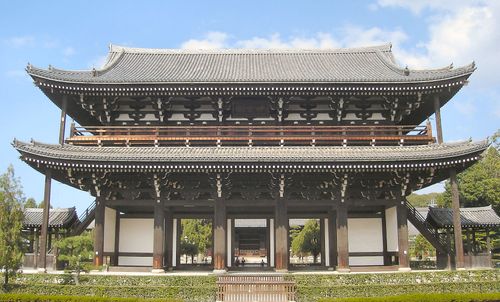
Outside the hall, the precinct has the Taiko-bei wall associated with Toyotomi Hideyoshi and the South Gate, both Important Cultural Properties. There is also the Yonaki Spring, said to have been found the year after the hall was built, and simply walking around the hall brings a sense of layers of history. The East Garden was laid out in 1961 by the garden designer Nakane Kinsaku.
When you visit, compare the faces of the individual statues. Because the hall is so long, walking from end to end to take in the whole is another pleasure. Nearby are cultural facilities such as the national museum, so it combines well with a temple tour of Higashiyama.
Sources
This article was written from the official, municipal and tourism-association sources above, and checked against them separately from the writing. Editorial policy
Last updated November 12, 2026