ABOUT
About this spot
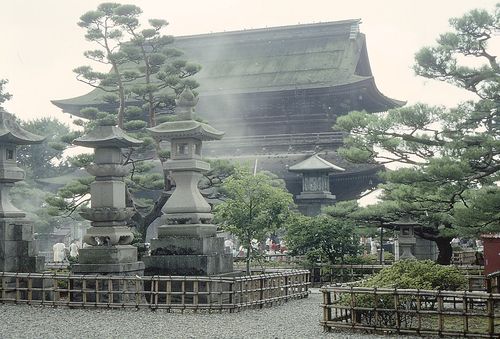
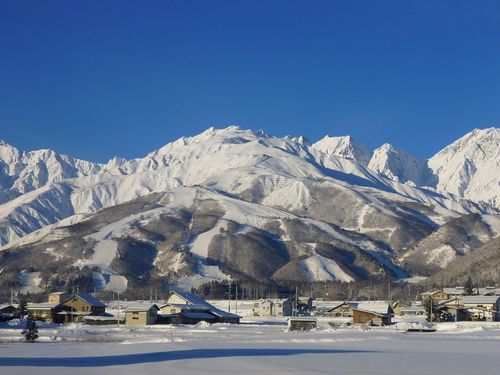
Togakushi Shrine stands at the foot of Mt. Togakushi in Togakushi, Nagano, and consists of five shrines: Okusha, Chusha, Hokosha, Hinomikosha and Kuzuryusha. Each has different deities and origins, and visiting them in turn reveals the whole picture of the faith of this mountain.
The deity of Okusha is Ame-no-Tajikarao-no-Mikoto, said to have wrenched open the Heavenly Rock Cave. From Chusha, a road climbs about 2.5 km, and from there an approach of about 2 km continues. Along the way stands a red Zuishin-mon gate, and beyond it an avenue of cedars said to have been planted in the 17th century. Behind the main sanctuary rise the sheer cliffs of Mt. Togakushi. Okusha was originally an inner sanctuary, where before the separation of Shinto and Buddhism the Sho Kannon Bodhisattva and others were enshrined.
The deity of Chusha is Ame-no-Yagokoro-Omoikane-no-Mikoto, said to have devised the Iwato kagura as a god of wisdom. According to the "Togakushiyama Kenko-ji Ruki," it was founded in 1087 (Kanji 1) when the head priest received a divine message in a dream. The Sanbon-sugi cedars around the grounds are said to be about 900 years old and are natural monuments. At the annual festival on August 16 the "Senchō dance" is dedicated.
The deity of Hokosha is Ame-no-Uwaharu-no-Mikoto, regarded as a child of Chusha's deity and known as a god of learning, skills, sewing and safe childbirth. It was founded in 949 as a co-shrine of Okusha and settled at its present site in 1058. It is the first of the five that visitors reach from the foot of the mountain, climbing stone steps among cedars. Hinomikosha was founded in 1098, enshrines Ame-no-Uzume-no-Mikoto, and is regarded as a god of dance, performing arts and fire prevention. It is said that even when the other four shrines were mixed Shinto-Buddhist sites, this one remained a Shinto shrine throughout. Kuzuryusha enshrines the Kuzuryu Okami, a local land deity. Considered the "Dragon Cave" of the Thirty-three Caves of Togakushi, it is said to bring rain, good matches and relief from toothache.
Togakushi is also a mountain of ascetic practice. According to its origin tale, ascetic practice began in 849 (Kaso 2); in the late Heian period it was known as Togakushisan Kanju-in Kenko-ji, and the "Thirteen Valleys and Three Thousand Temples of Togakushi" were ranked with Mt. Hiei and Mt. Koya as the "three mountains of three thousand temples." In the Edo period it received a 1,000-koku vermilion-seal estate from Tokugawa Ieyasu and became a branch temple of Kan'ei-ji, but with the Meiji separation of Shinto and Buddhism and the abolition of Buddhism, Kenko-ji separated from its temple and became a shrine.
Sources
This article was written from the official, municipal and tourism-association sources above, and checked against them separately from the writing. Editorial policy
Last updated November 12, 2026