ABOUT
About this spot
Nagasaki Shinchi Chinatown, in Shinchi-machi, Nagasaki City, is counted together with Yokohama Chinatown and Kobe's Nankinmachi as one of Japan's three great Chinatowns. It is smaller than Yokohama's, but about 40 Chinese restaurants and shops selling Chinese goods line the streets that cross one another, and the district still tells the story of how Nagasaki prospered through trade with China.
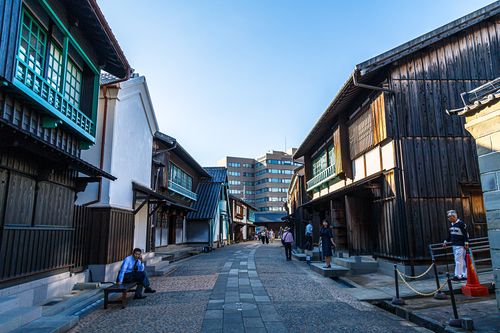
The district's origins go back to the period of national isolation. Nagasaki was one of the few ports allowed to trade with China, and Chinese residents came to be confined to the hillside compound known as Tojin Yashiki. The sea in front of it was reclaimed to create warehouses for goods carried on Chinese ships, and this is where the name Shinchi, meaning new land, comes from. After Nagasaki port opened to international trade in 1859, Tojin Yashiki fell into decline and Chinese residents moved to Shinchi near the shore. That was the start of the Chinatown.
Chinese gates (pailou) stand at the east, west, south and north sides of the district. They were built in 1986 by the local merchants' association, with materials brought from Fuzhou, Nagasaki's friendship city. Each gate is themed on one of the four guardian deities: the Azure Dragon in the east, the White Tiger in the west, the Vermilion Bird in the south and the Black Tortoise in the north, arranged according to feng shui. The colors of the paving stones at the gates follow the five elements, and Fuzhou also helped with the stone paving of the streets.
Next to the district lies Minato Park. It has a Chinese gate built in the classical Chinese style by specialists invited from China, using granite and Taihu stone from China. During the Nagasaki Lantern Festival, held for 15 days from the Lunar New Year to the Lantern Festival, about 15,000 lanterns and large displays decorate the city, and this park serves as the main venue.
When you stroll, look beyond the busy, colorful main streets to the alleys known as the back streets. Their entrances are easy to miss and few people pass through, yet a handful of small shops stand there. They show another side of the Chinatown, quite different from the main streets with their larger shops.
Sources
This article was written from the official, municipal and tourism-association sources above, and checked against them separately from the writing. Editorial policy
Last updated November 12, 2026