ABOUT
About this spot
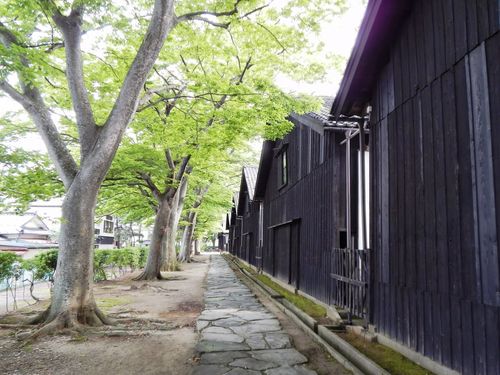
Somaro is a sightseeing facility in Hiyoshi-cho, Sakata, Yamagata Prefecture. Its full name is Maiko Chaya Hinagura Garo Somaro. It was built in 1808 as a high-class restaurant called Somaya. After the restaurant closed, the local company Hirata Farm bought the building to protect Sakata's restaurant culture, renovated it, and opened it in March 2000. Its official subtitle is "Kyoto culture carried by the Kitamae-bune ships," and the building lets visitors feel the life of Sakata, a prosperous port town on the Sea of Japan, inside a restaurant building.
The wooden main building was registered as a national Registered Tangible Cultural Property in November 1996. The first floor holds the tea room Kutsurogi-dokoro and the Takehisa Yumeji Museum, and the second floor has a performance hall in the large banquet room. The former kitchen serves as a practice room for the Sakata maiko. The storehouse displays hina dolls and other items carried from Kyoto by Kitamae-bune ships.
The heart of a visit is the performance by the Sakata maiko. Sakata's geisha quarter reached its peak in the mid-1960s and then declined, and in 1990 local business leaders revived the Sakata maiko as part of a town revitalization effort. When Somaro opened, a geisha house in the city moved its base into the building. The usual word is written with the characters for "maiko," but in Sakata they call themselves by a different spelling, with the character for "girl." One reason said to explain this is that the way of tying the obi differs from that of maiko in Kyoto and elsewhere. With advance reservation you can watch a performance while dining, and the Maiko Gozen lunch set comes with three dances. A video introducing the facility is shown before the performance.
In May 2008 the Takehisa Yumeji Museum opened inside. It displays photographs of beautiful women taken by Yumeji and the camera he used, along with fine antiques once owned by the proprietor, Nitta Kaichi. In the tea room you can have matcha or coffee.
Because it is a restaurant building, there are many steps and steep stairs inside and no elevator. Wheelchairs and strollers cannot be used, and visitors are asked to wear socks or stockings when entering. Nearby are Hiyoriyama Park and the Sanno Club. Performances and the tea room may not operate every day, so please check the official website before you visit.
Sources
This article was written from the official, municipal and tourism-association sources above, and checked against them separately from the writing. Editorial policy
Last updated November 12, 2026