ABOUT
About this spot
Kokonoe "Yume" Otsurihashi, in Tano, Kokonoe-machi, Kusu District, Oita Prefecture, is a pedestrian-only suspension bridge spanning the gorge of the Naruko River. It is 390 m long, 173 m above the water and 1.5 m wide, was designed to bear the weight of 1,800 adults, and opened on October 30, 2006. It bills itself as Japan's highest pedestrian-only suspension bridge; when it opened it was also Japan's longest, though it has since ceded the length record to longer suspension bridges opened later.
The idea goes back a long way: it is said to have begun in 1956, when Matao Tokimatsu of the local shopkeepers' association remarked that a bridge would give a good view of the waterfalls and autumn leaves. The idea was dismissed at the time, but in 1993 it was included in the town's tourism promotion plan, and the bridge's name comes from this long-held "dream" (yume) coming true.
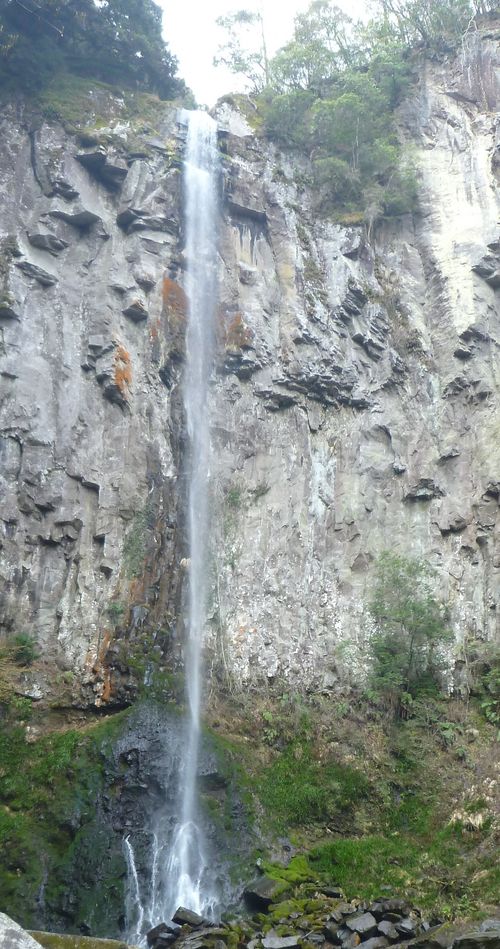
The stars of the view from the bridge are the male and female falls of Shindo no Taki, selected as one of Japan's Top 100 Waterfalls. Below your feet spreads the gorge of the Naruko River, which flows through the headwaters of the Chikugo River, and its virgin forest, while in the distance rise the Kuju Mountains, including Mt. Mimata and Mt. Waita. From the bridge you can take in this gorge, also known as Kusuikei, in a 360-degree panorama. The floor at the center is a lattice of grating, so you can peer straight down to the valley floor far below.
Construction proceeded under the town's tourism promotion plan. Visitors flocked to the bridge after it opened: the annual target of 300,000 was reached just 24 days after opening, and the cumulative total passed 10 million in March 2017. The regional revitalization bonds issued for construction were repaid within two years of opening, eight years ahead of schedule. Under a town ordinance that puts part of the bridge's revenue toward medical subsidies, the subsidies were extended to elementary and junior high school students from October 2007, making the bridge known as an example of a tourist facility that supports town life.
The bridge has two ends, the Nakamura side and the Kitakata side, each with a parking lot. Next to the large parking lot on the Nakamura side is the tourist information office, and of the local products shops, the first mainly sells souvenirs and regional specialties while the second sells locally grown vegetables, fruit and processed foods. The viewing plaza inside the gate is a photo spot overlooking the entire bridge, and the bridge can also be reached by bus from JR Bungo-Nakamura Station.
Sources
This article was written from the official, municipal and tourism-association sources above, and checked against them separately from the writing. Editorial policy
Last updated November 12, 2026