ABOUT
About this spot
Shosenkyo is a gorge cut into the upper reaches of the Arakawa River, north of Kofu in Yamanashi Prefecture. For about 5 km, from Chotan Bridge to Senga Falls, the river has carved the granite deeply, and the scenery changes constantly. Granite with columnar joints and strange rocks of pyroxene andesite rise along the way. The gorge lies within Chichibu-Tama-Kai National Park, is designated a Special Place of Scenic Beauty, and has also been chosen among the Ministry of the Environment's Heisei-era 100 Famous Waters. It is easy to reach from central Kofu.
The history of the gorge is closely tied to the mountain-ascetic route toward Mt. Kinpu in the Okuchichibu range. A route known as the Mitake road once passed through Shosenkyo from the Kofu side, and in the early modern period trailheads for the climb to Mt. Kinpu were developed. To avoid a difficult stretch on the west bank of the Arakawa, the Mitake Shindo road was completed in 1843, and it later became a sightseeing path along the gorge. In 1887 the place was named "Mitake Shosenkyo," roads were improved in the Taisho era, and the opening of the Chuo Line in 1903 made it easier to visit. In 1842 the Nanga painter Takemura Sanyo painted "Sengaku Hekiro-zu," and the gorge became a subject for painters and a known scenic spot.
The highlights are Kakuenbo and Senga Falls. Kakuenbo, the symbol of Shosenkyo, is a huge rock about 180 meters high that rises almost vertically from the water. Senga Falls, chosen among Japan's 100 Waterfalls, drops between the rocks and crowns the gorge. There is also Ishimon, a natural arch formed by giant granite boulders, and many named rocks such as Tengu-iwa, Rakuda-ishi (the camel rock) and Kame-ishi (the turtle rock), which are fun to look for along the promenade. Chotan Bridge, chosen as a Selected Civil Engineering Heritage in fiscal 2012, decorates the entrance of the gorge.
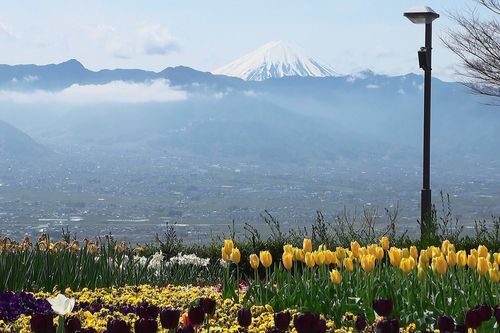
A promenade runs along the gorge, and walking while taking in the view is the basic way to enjoy it. From the foot of Senga Falls, the Shosenkyo Ropeway links to the panorama platform on Mt. Yasaburo in about five minutes, and on clear days Mt. Fuji and the Southern Alps can be seen. Near the falls is the Shosenkyo Kage-e no Mori Museum, which shows shadow-picture and paper-cut works by Fujishiro Seiji. Around the gorge are also Rakanji temple and the Kanasana and Meotogi shrines, traces of its past as a path of faith. Mitake soba, a local specialty, takes its name from the formal name of Shosenkyo.
The most popular season is the autumn color, said to peak from mid-October to late November, but fresh green and the coolness of summer are also recommended. It gets crowded during the foliage season, so starting early makes for a calmer walk. You can reach it by bus from Kofu Station and step onto the promenade right after getting off near Senga Falls. Part of the gorge may have vehicle restrictions on weekends and holidays in season, and bus routes change in winter, so please check the latest information with the Shosenkyo tourist association or Kofu City before you go.
Sources
This article was written from the official, municipal and tourism-association sources above, and checked against them separately from the writing. Editorial policy
Last updated November 12, 2026