ABOUT
About this spot
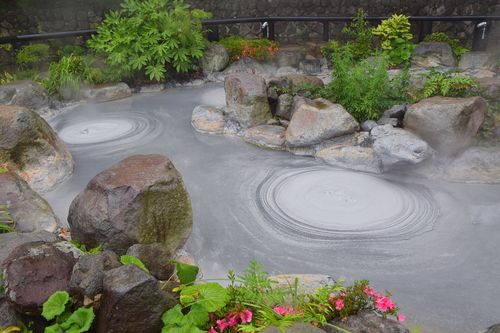
Shiraike Jigoku (White Pond Hell) is one of the "hells" in the Tetsuwan hot spring area of Beppu, Oita Prefecture. In Beppu, naturally flowing hot spring sources that are meant to be viewed rather than bathed in are called "jigoku" (hells). The water of Shiraike Jigoku is clear when it first gushes out, and turns cloudy white as it meets the air and cools down. The white, cloudy water filling the pond gave the spot its name. Its spring type is a boric-acid-containing sodium chloride spring.
Looking at how the hells of Beppu became a tourist attraction: they were originally places people avoided, but once hot spring villa developments put the sources in order and made them safe to approach, visitors staying for cures began to go and look at them. Umi Jigoku (Sea Hell) is said to have started the commercial side in 1910 (Meiji 43), when it built facilities and began charging for viewing. A road linking the hells was completed in 1921 (Taisho 10), and in 1928 (Showa 3) a sightseeing bus tour of the hells began running.
Shiraike Jigoku is one of the hells that joined during modern times. It erupted in 1931 (Showa 6) and was first called "Kuberi Jigoku". However, to avoid confusion with "Kuberi Yu-no-i" (the Kuberi hot spring) mentioned in the Bungo Fudoki (the ancient gazetteer of Bungo Province), it was renamed Shiraike Jigoku, a name that describes its character. According to the Agency for Cultural Affairs, the old records such as the fudoki mention Chinoike Jigoku and Umi Jigoku, whereas Shiraike Jigoku is one of the hells that appeared in the modern era.
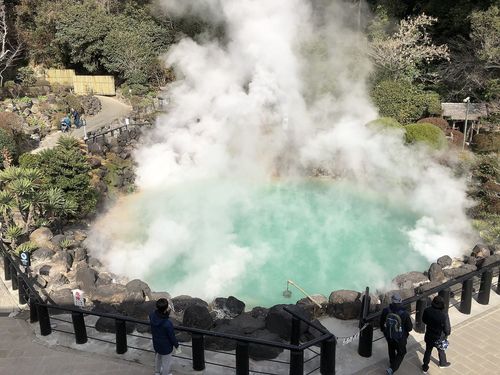
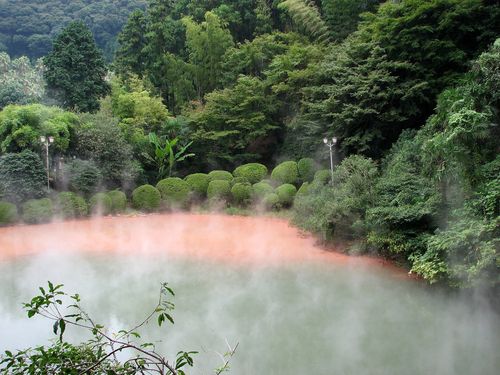
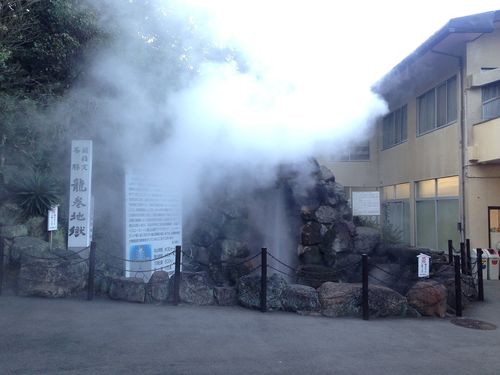
On July 23, 2009 (Heisei 21), Shiraike Jigoku was designated a Place of Scenic Beauty of Japan as part of "Beppu no Jigoku" (The Hells of Beppu), together with Umi Jigoku, Chinoike Jigoku and Tatsumaki Jigoku. They are valued for their scenic, landmark and scholarly worth as sources that well up in varied colors and forms. Even among the designated hells, each has its own highlight: Chinoike Jigoku is red from iron oxide in its steam, Tatsumaki Jigoku periodically throws up hot water and steam, and Shiraike Jigoku is distinguished by clear water that turns white.
A tropical fish house stands alongside Shiraike Jigoku. The Tetsuwan area also gathers Umi Jigoku, Oniishi Bozu Jigoku, Kamado Jigoku and Oniyama Jigoku, while Chinoike Jigoku and Tatsumaki Jigoku are in the Shibaseki hot spring area. According to the official website of the Beppu Jigoku Association, the tour is a way of viewing hot spring sources close to 100 degrees. Please check the official website for the latest conditions before you visit.
Sources
This article was written from the official, municipal and tourism-association sources above, and checked against them separately from the writing. Editorial policy
Last updated November 12, 2026