ABOUT
About this spot
Matsushima is a landscape of islands in Matsushima Bay in Miyagi Prefecture, counted as one of the Three Views of Japan. The official tourist guide speaks of "more than 260 islands", but counts vary with the method: a guidebook of 1682 gave 92, and including rocky reefs the number reaches about 300. It is a nationally designated Special Place of Scenic Beauty, and in 2013 it joined the Club of the Most Beautiful Bays in the World.
The scenery is said to have formed when a range of hills sank. The higher parts remained as islands, and the soft Neogene rock is easily worn by waves, so many islands have eroded shapes topped with pines. It has long appeared in waka poetry and Matsuo Basho and other poets visited. It is also a famous place for moon viewing, and Albert Einstein is said to have come to view the moon in 1922. The viewpoints include the "Four Great Views" of Sokan, Reikan, Yukan and Ikan, and Choro-zaka and Saigyo-modoshi no Matsu are also known.
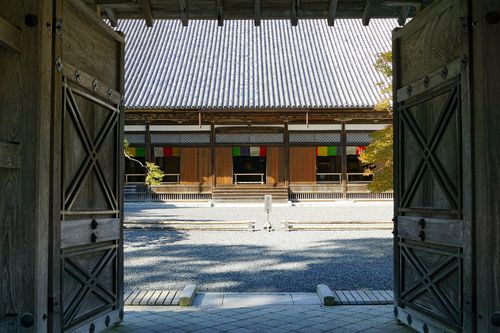
Sights cluster along the shore. Zuiganji is traditionally said to descend from Enpukuji, opened by Ennin in 828, and Date Masamune rebuilt it between 1604 and 1609. Its main hall and its kitchen and corridors are National Treasures, and the wall paintings of the main hall are Important Cultural Properties. Godaido, a hall outside the temple precincts, was rebuilt by Masamune in 1604 in its present form; it is said to be the oldest Momoyama-period building in Tohoku and is an Important Cultural Property. The Sukashibashi bridge to the small island lets you see the sea between its beams and is said to have been made to sharpen your attention underfoot. The statues of the Five Great Wisdom Kings are hidden images shown only once every 33 years.
Fukuurajima is an island linked to the mainland by the vermilion Fukuura Bridge, 252 m long. The whole island is a prefectural nature park, with more than 130 kinds of trees and more than 200 kinds of wild plants, and it has walking paths and a lookout. In the early Showa era a shell mound was investigated here, and the pottery type name "Fukuurajima type" came from it. The bridge lights are turned off on the full moon and for three days either side, so that the harvest moon can be enjoyed.
In the tsunami of the 2011 Great East Japan Earthquake, the Urato islands are thought to have acted as a breakwater and blunted its force, so damage was lighter than in neighbouring municipalities, but Chomei-ana, a rock passage that sightseeing boats used to pass through, collapsed and the Togetsukyo bridge was washed away. Matsushima-Kaigan Station on the JR Senseki Line is about 40 minutes from Sendai. Opening of each facility can change, so please check the official information before you go.
Sources
This article was written from the official, municipal and tourism-association sources above, and checked against them separately from the writing. Editorial policy
Last updated November 12, 2026