ABOUT
About this spot
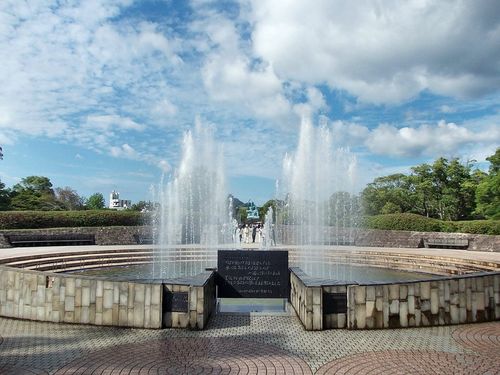
The Nagasaki Atomic Bomb Museum tells, through actual artifacts, the story of the damage caused by the atomic bomb dropped on Nagasaki on 9 August 1945 and of what has followed in the nuclear age. It opened in April 1996 and stands in Nagasaki's Peace Park, on high ground overlooking the hypocenter.
Its predecessor was the atomic bomb data center of the Nagasaki International Cultural Hall, which opened in 1955. Materials from the earlier Nagasaki City Atomic Bomb Museum, opened near the hypocenter in 1949, had been moved there for display. Because the building was aging and exhibition space was short, the hall was demolished as a project for the 50th anniversary of the bombing, and the present museum was built. It was designed by Kume Sekkei and has two floors above ground and two below. The entrance is on the first basement level and the exhibits lie on the second, reached by walking down a spiral passage. The roof is a garden.
The core of the exhibits is the objects that survived the bombing. They include a clock stopped at the moment of the explosion, a twisted steel frame from a factory, a bridge girder scorched on the side facing the hypocenter, and a lunch box whose rice was carbonized by the heat. There is also a model of the Nagasaki bomb, known as Fat Man, and a section called "Nagasaki Devastated" with terrain models of the city and its surroundings. Another corner explains people harmed by nuclear tests overseas, including the crew of the Daigo Fukuryu Maru.
According to the Nagasaki city website, the bomb used plutonium 239 surrounded by explosives, which compressed the core to set off a chain reaction in what is called the implosion method. The Hiroshima bomb used uranium 235 in a gun-barrel method, so the mechanisms differ. The site names heat rays, blast and radiation as the bomb's main characteristics.
The museum also has a library of books on the atomic bomb and peace. Next door is the National Peace Memorial Hall for the Atomic Bomb Victims, Nagasaki, which can be reached by passages on the first and second basement levels; it is a place to remember everyone who died in the bombing and to pray for peace. The city's site also guides visitors to related places, including the guide to surviving bomb sites, the nationally designated historic site "Nagasaki Atomic Bomb Sites," the relief station memorial, the remains of the Mitsubishi Arms Sumiyoshi Tunnel Factory, and the Tateyama Air-Raid Shelter (prefectural air defense headquarters shelter).
The museum has been renewing its exhibits, and some of them may not be on view while the work continues. Before you visit, check the city's "Nagasaki Peace" website for the special exhibition room and for the museum's current status.
Sources
This article was written from the official, municipal and tourism-association sources above, and checked against them separately from the writing. Editorial policy
Last updated November 12, 2026