ABOUT
About this spot
Ishiteji is a Shingon-sect (Buzan school) temple in Matsuyama, Ehime Prefecture. Its mountain name is Kumanosan, its subtemple name is Kokuzoin, and its principal image is Yakushi Nyorai. It is Temple No. 51 on the Shikoku 88-Temple Pilgrimage and is known for its link to the legend of Emon Saburo, regarded as the original pilgrim. Close to Dogo Onsen, it draws sightseers as well as pilgrims, and it has been awarded one star in the Michelin Guide.
According to temple tradition, in the fifth year of Jinki (728) a local magnate of Iyo, Ochi no Tamazumi, received a divine message in a dream and enshrined the Kumano Twelve Shrines deity; the following year the monk Gyoki is said to have installed a Yakushi Nyorai and founded the temple. It became an imperially sponsored temple of Emperor Shomu and was first called Anyoji, of the Hosso sect. Kobo Daishi (Kukai) is said to have visited later and converted it to the Shingon sect. The name changed to Ishiteji in the fourth year of Kanpyo (892), according to a legend that a stone inscribed with the words "Emon Saburo reborn" appeared when the lord's son received a prayer, and this legend is tied to the origin story of the pilgrimage.
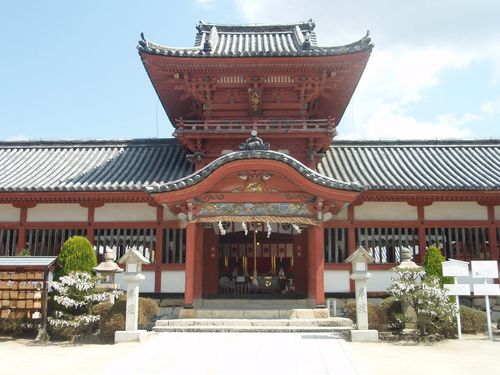
The precinct is known for its lineup of National Treasure and Important Cultural Property buildings. The Niomon gate at the entrance to the approach, said to date from the second year of Bunpo (1318), is a National Treasure. It is a two-story gate with a hip-and-gable roof and tiles, and the wooden guardian statues enshrined on either side show the characteristics of the Kamakura-period Unkei school and are also Important Cultural Properties. The main hall and the three-story pagoda date from the late Kamakura period and are both Important Cultural Properties. The bell tower, the Goma-do hall, the five-ring stone tower and the Karitei-mo-ten hall are also designated Important Cultural Properties, and a bronze bell inscribed with the third year of Kencho (1251) is preserved. The temple is said to have been a large complex with seven main halls and many sub-temples from the Heian to the Muromachi period; it lost many buildings when the forces of Chosokabe Motochika set fire to it in 1566, but the main hall, the Niomon and the pagoda are said to have escaped.
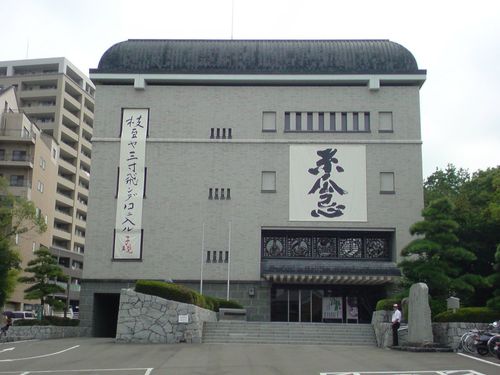
Within the grounds there are spots with curious tales attached to them, such as the "Bridge Not to Be Crossed." The seated statue of Kobo Daishi, said to have been carved by Kukai himself, is treasured as a hidden image, and a treasure hall displays temple treasures on a permanent basis. There are also haiku and poem monuments linked to literary figures such as Masaoka Shiki, so besides visiting cultural properties you can follow traces of words.
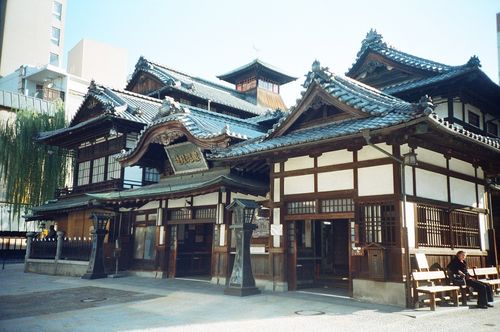
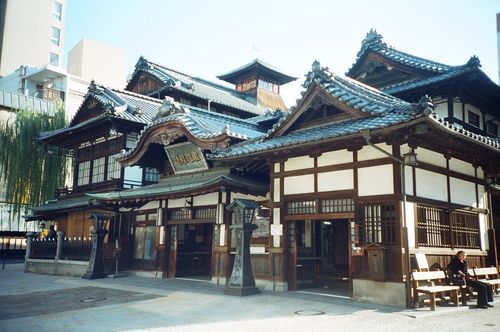
Many people walk here from Dogo Onsen, and a visit can be combined with a stroll through the hot-spring town to take in both the history of Matsuyama and the atmosphere of the Shikoku pilgrimage. Moving from the Niomon to the main hall and the pagoda, you can compare Kamakura-period architecture in one place, which is the particular appeal of this temple. Events and special openings at the temple vary by season, so please check official information before you visit.
Sources
This article was written from the official, municipal and tourism-association sources above, and checked against them separately from the writing. Editorial policy
Last updated November 12, 2026