SPOT

Hakkoda Ropeway

A ropeway up Mt. Tamoyachi in the Hakkoda Mountains, linking the foot station and summit park station in about 10 minutes one way. The summit station has an observation room and a wooden viewing deck.

AomoriAomori City

40.68°N 140.84°E

TRAVEL NOTES

Before you visit Hakkoda Ropeway

How long does a visit to Hakkoda Ropeway take?
Walking the nature trail from Summit Park Station lets you enjoy the high moor and alpine plants in about 30 to 60 minutes.Source: Hakkoda Ropeway official website
When is the best time to visit Hakkoda Ropeway?
Rime ice (juhyo) is at its best from January to February.Source: Hakkoda Ropeway official website
When is Hakkoda Ropeway crowded?
Throughout October, the area is lively with visitors enjoying the autumn leaves.Source: Hakkoda Ropeway official website

Checked against official information on November 14, 2026. Please see the official website for the latest details.

ABOUT

About this spot

Within Towada-Hachimantai National Park, this ropeway climbs Mt. Tamoyachi in the Hakkoda mountain range. Opened in 1968, it links Sanroku Station at the foot of the mountain with Sancho Koen (Summit Park) Station in about 10 minutes one way. Each gondola carries 101 people including the attendant, and the difference in elevation is about 650 m. Although it lies only about 40 minutes by car from JR Aomori Station, it whisks you into alpine scenery in a short time.

Sanroku Station has panels about the film "Hakkodasan," set in these mountains, and the Hakkoda spring water, along with the Resthouse Hakkoda. Sancho Koen Station has an indoor observation room and a viewing deck, and on clear days you can see central Aomori, Mutsu Bay, the Tsugaru and Shimokita peninsulas and as far as Mt. Iwaki.

Ponds and marshes dot the area around Mt. Tamoyachi, where the summit station stands, and Aomori Prefecture's tourism website calls it a great treasure house of alpine plants. The summit trail starting from the station, the Hakkoda Gourd Line, takes its name from the English word "gourd," because the shape of the path resembles a gourd. There is a route of about 30 minutes and another of about 60 minutes; apart from a few sections there is little up and down, so the trail is easy even for families. You can see high moorland and alpine plants up close, and at the peak of the autumn color the view of the reddened grasses from the moorland observation deck is superb. From the summit, a popular mountain route also leads over Mt. Akakura, Mt. Ido and Mt. Odake, the highest peak of Kita-Hakkoda, then through the Kami-Kenashito and Shimo-Kenashito moorlands down to Sukayu Onsen. The whole area is a special protection zone of the national park, and gathering wild plants, mushrooms and the like is prohibited.

Hakkoda shows a different face in every season. Fresh greenery around mid-May and alpine flowers in summer are followed by autumn, when the whole mountain turns color from late September to mid-October. In winter, ice and snow build up on Maries' firs to form rime-covered trees known as "snow monsters," usually at their best from January to late February. The summit area is also popular for skiing and snowboarding. In winter the trail is buried in snow and cannot be walked, so if you want to hike, come when there is no snow.

When planning your visit, allow for the round-trip ride plus a walk of about 30 or 60 minutes on the Gourd Line. It is colder and windier on the mountain than in the lowlands, so bring an extra layer even in summer. The ropeway may be suspended on some days due to strong winds near the summit, and there are also suspension periods for inspections, so check the operating status on the official website before you go.

Sources

  1. hakkoda-ropeway.jp
  2. hakkoda-ropeway.jp
  3. aomori-tourism.com
  4. aomori-tourism.com
  5. ja.wikipedia.org

This article was written from the official, municipal and tourism-association sources above, and checked against them separately from the writing. Editorial policy

Last updated November 12, 2026
Share this spot

NEARBY

Nearby recommendations

More places worth visiting in the area.

Aomori City, Aomori

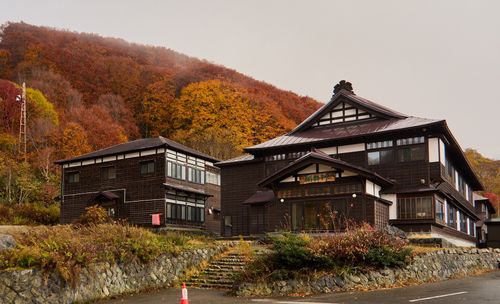
Sukayu Onsen

Located on the western foot of Mt. Odake, the main peak of Hakkoda, Sukayu Onsen is a hot spring retreat with over 300 years of history and was the first designated National Recreational Hot Spring Resort. Its famous "Hiba Sennin-buro" is a 160-tatami-mat mixed bathing hall built entirely of hiba wood, with an overwhelming sense of openness and charm. Surrounded by the nature of the four seasons, it is a supreme famous spa where you can enjoy richly beneficial acidic waters.

Aomori, Aomori

Seiryuji Temple (Showa Daibutsu)

Seiryuji is a Shingon Buddhist temple in Kuwabara, Aomori City. It is known for the 21.35 m bronze Showa Daibutsu, a 39 m five-story pagoda built of Aomori hiba, and its role as the Aomori branch of Mt. Koya.

Aomori City, Aomori

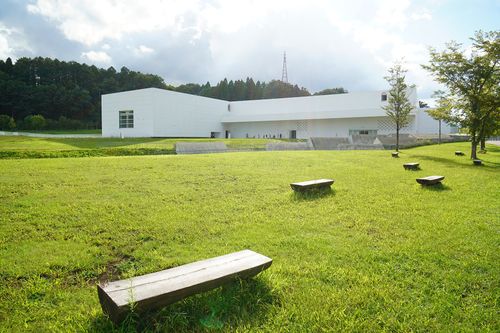
Aomori Museum of Art

The Aomori Museum of Art is a prefectural museum in Aomori City, right next to the Sannai-Maruyama Site. Its Aleko Hall displays the backdrop paintings Marc Chagall made for the ballet "Aleko."

Aomori City, Aomori

Aomori Gyosai Center

Hugely popular for its "nokke-don," where you choose small portions of your favorite toppings to build your own luxurious rice bowl! A lively market that serves as the kitchen of Aomori residents.

Aomori City, Aomori

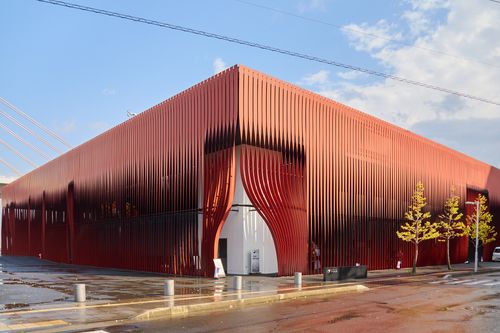
Nebuta Museum Wa Rasse

Nebuta Museum Wa Rasse is a cultural and tourism facility next to JR Aomori Station. Its main attraction is a two-story-high hall displaying several large nebuta floats from the festival; the display changes every year.

Aomori City, Aomori

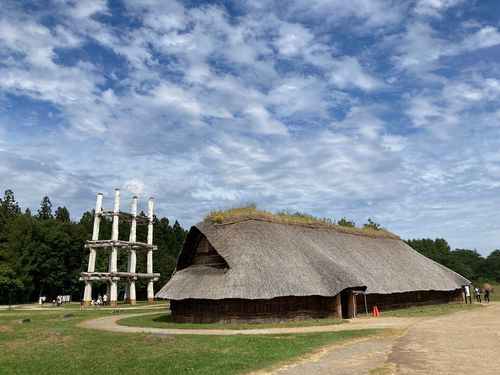
Sannai-Maruyama Site

The Sannai-Maruyama Site in Aomori City is the remains of a large settlement from the early to middle Jomon period. In 2021 it was inscribed as a World Cultural Heritage Site as part of the "Jomon Prehistoric Sites in Northern Japan."

AREA

Explore the area

More places in the same city, the same category, and close by.

MORE TO EXPLORE

More from Aomori

Discover more of the same region on our sister sites.