SPOT

Osaki Hachimangu Shrine

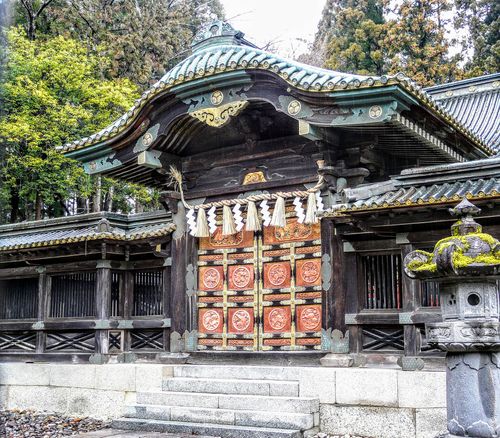
Osaki Hachimangu Shrine in Aoba Ward, Sendai, is known for its National Treasure shrine buildings. Built by Date Masamune, the gongen-zukuri complex completed in 1607 conveys the splendor of Momoyama architecture.

MiyagiSendai City

38.27°N 140.85°E

TRAVEL NOTES

Before you visit Osaki Hachimangu Shrine

When is the best time to visit Osaki Hachimangu Shrine?
The Matsutaki Festival (Donto-sai), held every year on the night of January 14, is a well-known winter tradition of Sendai.Source: Osaki Hachimangu Shrine official website
When is Osaki Hachimangu Shrine crowded?
Several thousand people visit for the Matsutaki Festival on January 14. Parking is limited, so visitors are asked to use shuttle buses or public transportation.Source: Osaki Hachimangu Shrine official website

Checked against official information on November 14, 2026. Please see the official website for the latest details.

ABOUT

About this spot

Osaki Hachimangu is a shrine in Aoba Ward, Sendai, Miyagi Prefecture, known for its National Treasure shrine buildings. It was built by Date Masamune as a guardian on the northwest side of Sendai Castle. The date of its founding is unknown, but shrine tradition says Sakanoue no Tamuramaro invited the deity as the Hachiman shrine of the Chinjufu, and it is said to have been called Osaki Hachimangu after the Osaki clan moved it to their territory in the Muromachi period.

The move to Sendai came about when Masamune began construction northwest of Sendai Castle in 1604 and enshrined the deity of Naruoshima Hachimangu together in 1607. The shrine complex, where the main hall, the stone chamber and the worship hall are joined in one building, is a gongen-zukuri structure completed in 1607 and designated a National Treasure in 1952. It is regarded as the oldest surviving gongen-zukuri in Japan, and the style was later carried on at Nikko Toshogu. The pillars are lacquered black, while the beams, bracket sets and frog-leg struts are adorned with color, carvings and gilt metal fittings that convey the splendor of Momoyama architecture.

In the precincts stands the Nagatoko, designated a national Important Cultural Property in 1966, and the stone torii gate erected in 1668 is a Miyagi Prefecture Tangible Cultural Property. The shrine office, the former chief priest's residence and the sacred horse stable are registered tangible cultural properties. The Noh Kagura tradition became a selected intangible folk cultural property in 1973, and in 2016 the shrine was also recognized as a component of a Japan Heritage story. The name was changed to "jinja" in the fourth year of Meiji but returned to "gu" in 1997.

Among its events, the Matsutaki-sai (Donto-sai) each January is well known. New Year decorations are burned, and people warm themselves by the flames, called the sacred fire, to pray for good health and family safety in the coming year; the festival is described as having a history of 300 years. A naked pilgrimage, in which participants visit wearing little more than a cotton wrap, is also held, making it a familiar winter sight in Sendai. A grand festival is held each September with yabusame horseback archery offered to the deity. The Gesshu-sai rite is held on the 1st of every month and the Tsukinami-sai on the 15th, Hachiman's day, and through the year there are also Setsubun, calamity-warding prayer and Tanabata prayer rites, and the grounds also hold the subsidiary shrines of Atago and Kasuga.

You can walk to the north approach from Tohoku Fukushidai-mae Station on the JR Senzan Line, or to the main approach from Kunimi Station.

Sources

  1. ja.wikipedia.org
  2. oosaki-hachiman.or.jp
  3. gltjp.com

This article was written from the official, municipal and tourism-association sources above, and checked against them separately from the writing. Editorial policy

Last updated November 12, 2026
Share this spot

NEARBY

Nearby recommendations

More places worth visiting in the area.

Sendai, Miyagi

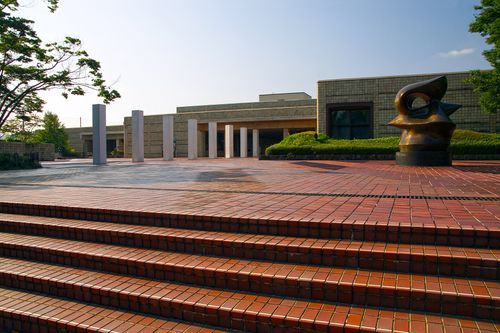
Miyagi Museum of Art

Miyagi Museum of Art is a prefectural museum in Kawauchi, Aoba Ward, Sendai, Miyagi. Opened in 1981 and designed by Kunio Maekawa, it holds modern art from the Tohoku region, sculpture by Tadayoshi Sato and works by Kandinsky and others.

Sendai City, Miyagi

Sendai Castle Ruins (Aoba Castle)

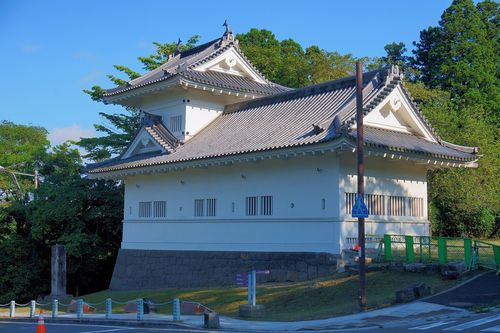
A castle built by Date Masamune on Mount Aoba, also known as Aoba Castle. At the site of the main enclosure stands a statue of Masamune on horseback, with views over the Hirose River and Sendai's city center.

Sendai City, Miyagi

Jozenji-dori Avenue

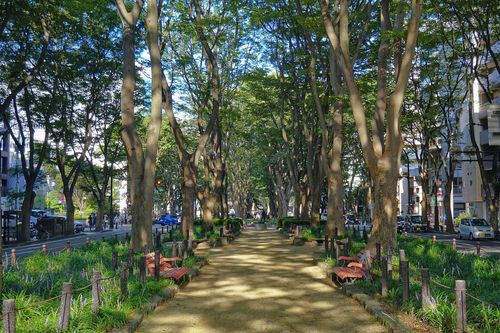
Jozenji-dori Avenue is a street in Aoba Ward, Sendai, running straight from Ekimae-dori to a T-junction with Nishikoen-dori. Between Kotodai Park and the Civic Hall, four rows of zelkova trees form a green canopy.

Sendai City, Miyagi

Iroha Yokocho

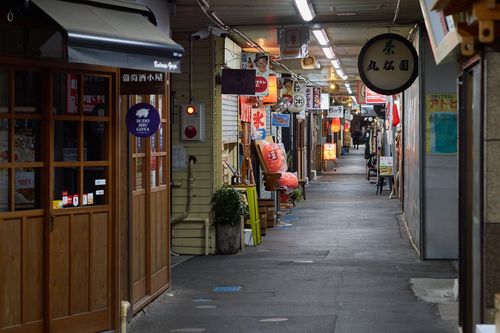
Iroha Yokocho began as postwar street stalls and stands right next to the Ichibancho arcade in Sendai. Over 100 small shops with a Showa-era feel line its two narrow alleys.

Sendai City, Miyagi

Zuihoden Mausoleum

The mausoleum of Date Masamune, the first lord of the Sendai domain, standing in Aoba Ward, Sendai, on the western side of the city center. Masamune was buried here by his own will, and his son Tadamune built the mausoleum in 1637.

Sendai, Miyagi

Sendai Toshogu Shrine

Sendai Toshogu is a shrine in Aoba Ward, Sendai, Miyagi Prefecture. Date Tadamune, the second lord of the Sendai domain, founded it in 1654 to enshrine Tokugawa Ieyasu, and its main hall, Chinese-style gate and stone torii are Important Cultural Properties.

AREA

Explore the area

More places in the same city, the same category, and close by.

NEARBY

Festivals and breweries in Sendai City

Festivals and brewery visits on our sister sites, in the same city as this spot.

MORE TO EXPLORE

More from Miyagi

Discover more of the same region on our sister sites.